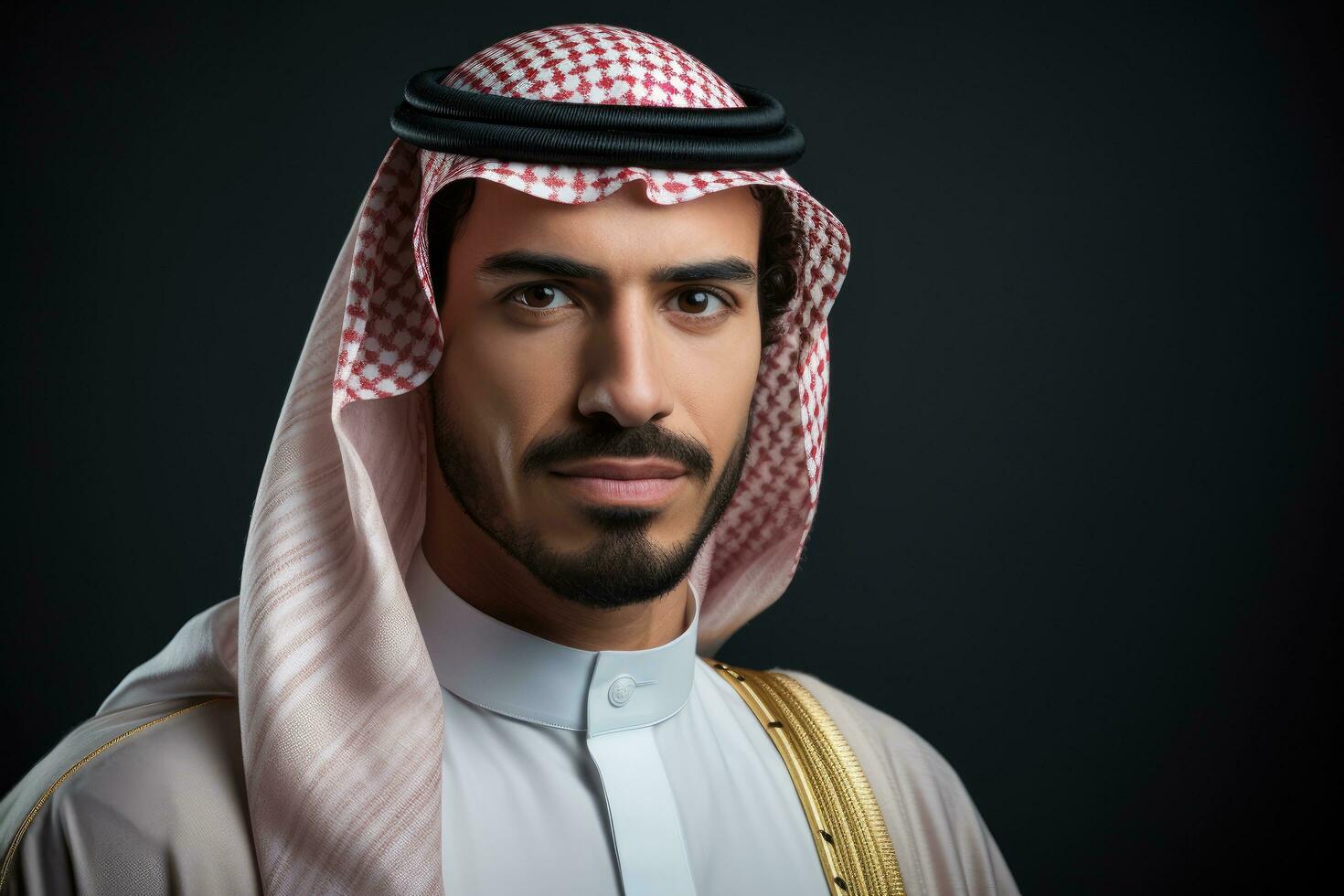
Basketball continues to grow across the Middle East and North Africa, yet reaching the National Basketball Association remains an extraordinarily rare feat. While many fans confuse players of the Islamic faith with athletes of Arab heritage, a distinct group of individuals born in the Arab world or carrying direct Arab lineage has left footprints in the world's premier basketball league.
Understanding this history requires looking past broad regional labels to examine the trailblazers who broke barriers. From seasoned centers who anchored paint defenses to front office executives who shaped championship rosters, Arab figures have carved out permanent places in basketball lore.
The Pioneers: Alaa Abdelnaby and Rony Seikaly
The bridge from the Arab world to hardwood courts in North America took shape through dedicated athletes who refined their skills in collegiate systems before entering the professional ranks.
Alaa Abdelnaby stands as one of the most prominent names. Born in Cairo, Egypt, before moving to the United States during his youth, Abdelnaby played college basketball under legendary coach Mike Krzyzewski at Duke University. The Portland Trail Blazers selected him in the first round of the 1990 NBA Draft. Over a multi-season career, he suited up for several franchises, including the Milwaukee Bucks, Boston Celtics, Sacramento Kings, and Philadelphia 76ers, averaging solid scoring numbers as a reliable frontcourt option. As discussed in recent reports by Reuters, the effects are notable.
Though born in Beirut, Lebanon, Rony Seikaly represents another crucial figure with regional ties. Seikaly moved to the United States and starred at Syracuse University, where he earned consensus All-American honors and won the inaugural Academic All-American of the Year award. Selected ninth overall by the Miami Heat in 1988, he became the franchise's first star center, recording double-doubles with remarkable consistency and scoring a historic 34 rebounds in a single game.
Modern Era Representation: Salah Mejri
The timeline advanced significantly when international scouting expanded deeper into North Africa and the Middle East. Salah Mejri broke new ground by becoming the first Tunisian-born player to step onto an NBA court.
Standing at seven feet two inches, Mejri went undrafted but built a stellar reputation playing professionally in Europe and Spanish leagues, notably with Real Madrid. In 2015, the Dallas Mavericks signed him. Mejri spent four seasons in Dallas, earning a reputation as an energetic rim protector, shot-blocker, and high-flying target for alley-oop passes. His presence proved that players developed within Mediterranean and Arab club systems could successfully transition to the physical demands of North American professional play.
Beyond active players, leadership off the court also matters. The Maloof family, of Lebanese descent, owned the Sacramento Kings for fifteen years. Under their stewardship, the franchise experienced its most successful modern era, featuring electrifying playoff runs in the early 2000s that captivated basketball purists globally.
The Distinction Between Arab Heritage and Islamic Faith
A common point of confusion in sports discussions involves conflating Arab nationality with the broader global Muslim community. While stars like Kareem Abdul-Jabbar, Hakeem Olajuwon, and Kyrie Irving are frequently highlighted for their Islamic faith and observed traditions like fasting during Ramadan, their ancestral roots lie outside the Arab world.
Recognizing this distinction clarifies sports geography. The Arab world comprises twenty-two member nations of the Arab League spanning North Africa and Western Asia. Players directly tied to this specific cultural and geographic expanse represent a smaller subset within the multicultural tapestry of basketball history.
Growth of the Game in the Middle East
The path for future generations is widening thanks to heavy investments in regional infrastructure. Professional leagues such as the Balcl and local domestic circuits in countries like Lebanon, Egypt, and the United Arab Emirates have elevated coaching standards and youth development.
NBA Academy programs operating globally have also scouted talent across the Middle East, offering young prospects elite training facilities and exposure to international scouts. Clinics, showcase tournaments, and the Basketball Africa League serve as additional stepping stones, ensuring that upcoming talent can bypass traditional bottlenecks and gain professional experience early.
Common Misconceptions About International Rosters
Many casual observers assume that every international player from a Muslim-majority country qualifies as an Arab athlete. This overlooks rich sporting histories in nations like Turkey, Bosnia, and Senegal, which produce exceptional basketball talent but possess distinct linguistic, cultural, and historical identities separate from the Arab world.
Another misconception is that talent scarcity in the region stems from a lack of interest. In reality, basketball ranks as one of the most popular participation sports across Beirut, Cairo, and Amman. The historical challenge has been structural: bridging grassroots club competition directly to the hyper-competitive scouting pipelines of North America requires financial ecosystems and developmental tiers that are only recently reaching maturity.
Frequently Asked Questions
Who was the first Egyptian player in the NBA?
Alaa Abdelnaby holds the distinction of being the first Egyptian-born player to play in the league, drafted in 1990 after a standout career at Duke University.
Did Salah Mejri win any championships in the NBA?
No, while Mejri played four solid seasons as a center for the Dallas Mavericks and later spent time with other organizations, he did not win an NBA championship ring during his time in the league.
Are there active players of Arab descent in the league currently?
Rosters fluctuate frequently through two-way contracts and international signings, but historical pioneers like Abdelnaby and Mejri remain the standard-bearers for players directly originating from the Arab world.
How are regional leagues helping prospects reach the NBA?
Improved domestic infrastructure, professional academies, and international showcase games provide young athletes with exposure, modern training methodologies, and direct pathways to NCAA programs or professional contracts abroad.



