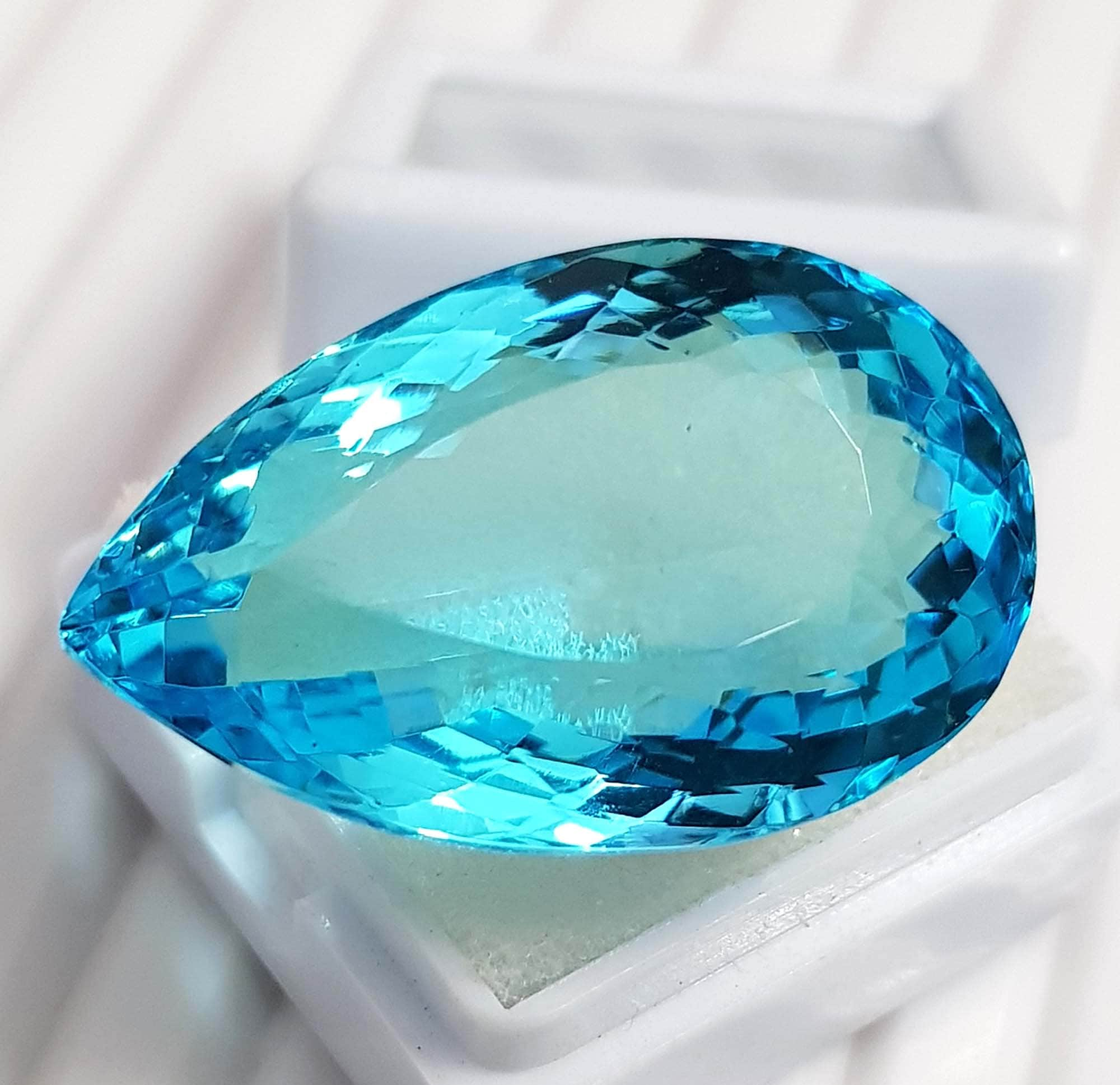
Aquamarine first appeared in the Cartoon Network series Steven Universe as a tiny Gem with an oversized ego, setting a new benchmark for how children's animation can construct terrifying antagonists. Standing at a fraction of the height of standard Quartz soldiers, she didn't rely on brute physical strength to terrify the Crystal Gems. Instead, she weaponized psychological warfare, absolute institutional authority, and a chillingly polite demeanor that made her unforgettable. While many villains in serialized media depend on sheer muscle or world-ending machinery, Aquamarine proved that pure malice packed into a pint-sized package could create an entirely different kind of narrative tension.
Her introduction in the story arc "I Am My Mom" subverted expectations immediately by presenting an antagonist who viewed Earth's entire population as a minor administrative inconvenience. You aren't watching a raging monster; you're watching a bureaucratic enforcer who treats kidnapping an entire community like checking items off a to-do list. This contrast between her innocent appearance and her ruthless efficiency is precisely why her character design and writing resonate so deeply with fans years after the show's finale. Let's break down how this specific antagonist reshaped villain writing conventions in modern television.
The Subversion of Physical Threat
Animation history is full of towering villains who project power through physical dominance. Think of the Diamond Authority initially introduced as gigantic, monolithic tyrants ruling from light-years away. Aquamarine flipped this trope on its head by serving as their elite emissary while possessing virtually no combat muscle of her own. Her wand, which could freeze targets in place instantly, served as an equalizer that rendered physical training and combat prowess completely useless.
When you strip away the ability to fight back through sheer force, the nature of conflict changes entirely. Steven and the Crystal Gems couldn't punch their way out of her trap. They had to negotiate, bargain, and ultimately surrender to protect innocent lives. This power dynamic forced the narrative into corners where traditional shonen-style power scaling failed.
- She established complete dominance without throwing a single punch.
- She neutralized physical threats with a flick of her weapon.
- She exposed the vulnerability of relying solely on combat strength.
This approach teaches writers an important lesson about antagonist design. When an adversary's primary weapon is absolute control rather than raw damage output, heroes have to find emotional or tactical loopholes. It shifts the narrative weight from choreography to high-stakes diplomacy.
Bureaucracy as a Weapon of Terror
Most animated villains crave chaos or destruction. Aquamarine wanted order, specifically the rigid order dictated by the Diamonds. She treated her mission for Homeworld like a corporate audit, complete with a strict checklist of human abductees. This bureaucratic coldness is terrifying because it feels intensely real.
Think about how she evaluated human worth. To her, humans weren't even sentient life forms worthy of hatred; they were biological variables to be collected. When she listed the traits required for her mission, she didn't show anger toward humans. She just showed profound annoyance that she had to interact with them at all.
- She viewed mass abduction as paperwork.
- She showed zero emotional investment in her captives.
- She weaponized institutional power against a rebellion that was used to fighting individuals.
By making her an instrument of a broader, uncaring empire, the writers made the antagonist feel systemic. You can't reason with a cog in a machine when the machine itself is broken. This added a layer of political realism to the show that elevated it past simple monster-of-the-week storytelling.
Psychological Warfare and Manipulation
Physical injuries heal, but the emotional damage Aquamarine inflicted during her initial raid left permanent scars on Steven's psyche. She didn't just capture people; she forced Steven into a position where he had to choose which of his friends would be handed over to save the rest. That choice shattered his self-image and planted the seeds for his ongoing trauma and self-sacrifice complex.
She used psychological leverage effortlessly. She didn't scream or threaten torture. She simply stated facts from her perspective: she had a job to do, she held all the cards, and resistance would only increase the body count among innocent bystanders.
- She forced impossible moral dilemmas onto a child protagonist.
- She used casual dismissiveness to diminish the heroes' sense of importance.
- She exploited empathy as a weakness rather than a strength.
Her cruelty wasn't loud. It was quiet, composed, and utterly indifferent to human suffering. That brand of villainy forces protagonists to look inward rather than outward, questioning their own moral frameworks.
Evolution and the Fusion Twist
Later in the franchise, Aquamarine returned in the epilogue series Steven Universe Future, merging with Eye Agate to form Bluebird Azurite. This evolution demonstrated another layer of her character: petty, consuming bitterness. While her initial appearance was defined by professional detachment, her return showcased personal spite. She wasn't just working for the Diamonds anymore; she had a personal axe to grind against Steven for disrupting her perfect record.
This transition from corporate enforcer to bitter outcast gave her character a complete arc. She went from representing the unyielding weight of an empire to representing the pathetic reality of someone who lost their status when that empire changed.
- Initial phase: Detached, elite professional serving a higher power.
- Transition phase: Displaced follower dealing with institutional reform.
- Final phase: Vindicator driven entirely by wounded pride and personal grudge.
Many shows struggle to make minor villains relevant years later. By tracking how systemic change affects small-time enforcers, the writers showed that when empires fall, the people who weaponized their rules don't just disappear. They turn bitter.
Common Pitfalls in Writing Complex Antagonists
Writers often try to make villains complex by giving them tragic backstories or making them anti-heroes right away. Aquamarine proves that you don't need a sob story to create a compelling antagonist. Here are mistakes creators often make when trying to replicate this style:
- Trying to make the audience sympathize too early, which ruins the stakes.
- Giving small enforcers too much tragic depth, making them unbelievable as threats.
- Forgetting that an antagonist can be entertaining purely through sharp dialogue and unapologetic arrogance.
- Relying on redemption arcs before the villain has fully tested the hero's core philosophies.
Aquamarine never received a redemption arc, and the story was better for it. Not every antagonist needs to learn a lesson or change their ways. Some characters exist to highlight how hard it is to maintain kindness in a rigid, unforgiving universe.
Frequently Asked Questions
Why didn't Steven just fight Aquamarine directly?
Steven couldn't fight her because her freezing wand rendered physical retaliation impossible, and attacking her would have immediately endangered the human hostages she held under her direct control.
Is Aquamarine considered a main villain of the series?
No, she functions as a mini-boss and an elite enforcer for the primary antagonists, the Diamonds, representing the systemic reach of Homeworld culture rather than the central conflict itself.
How does Aquamarine differ from typical cartoon villains?
She lacks grand ambitions of world domination or personal hatred for the hero. She treats villainy like a routine administrative task, which makes her clinical detachment uniquely unsettling.
Why did she fuse into Bluebird Azurite in the epilogue?
She fused with Eye Agate out of shared resentment toward Steven, combining their petty grievances into a single, unstable entity obsessed with revenge after the Gem Empire disbanded.



