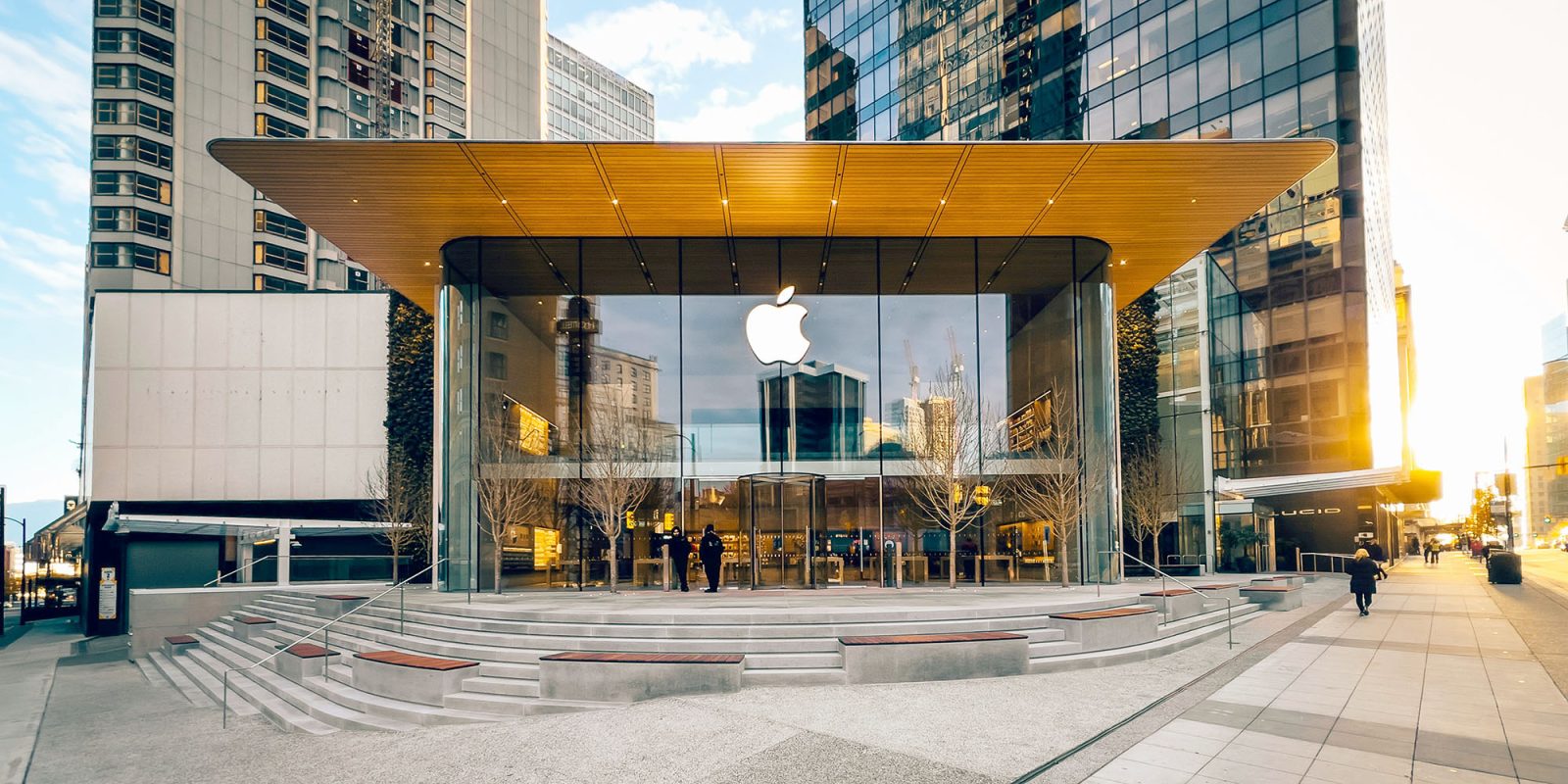
If you're wondering whether you can sign up for Apple Card in Germany, the short answer is no. Apple's credit card remains strictly limited to United States residents with a US social security number and a valid US address. Despite recurring rumors across financial blogs, Apple hasn't launched the product in Europe's largest economy, and structural hurdles mean it won't happen anytime soon.
If you're an American expat living in Germany or a local resident hunting for similar digital perks, you need clear facts about what's actually available. This breakdown covers why the card remains US-only, how traveling Americans can use an existing card abroad, and the top local financial tools giving you actual smartphone-driven flexibility.
Why Apple Card Isn't Available in Germany
Several regulatory and banking hurdles keep Apple Card out of the German market.
- Different Banking Ecosystems: Credit scoring mechanisms, consumer protection laws, and interchange fee caps vary dramatically between the United States and the European Union. EU regulations strictly cap interchange fees, which hurts the high-cashback funding model Apple uses in the US.
- Issuer Dependencies: Apple partners with domestic US financial institutions, historically Goldman Sachs with transitions toward other major US banks. These institutions lack the retail banking license infrastructure required to easily underwrite consumer credit directly to German tax residents without local credit bureaus like Schufa.
- Localization Costs: Adapting the Daily Cash rewards system, localized installment plans, and tax reporting requirements for German financial regulations requires massive legal and technical investments that Apple hasn't prioritized for this region.
Using a US Apple Card While Living or Traveling in Germany
If you already have a US-issued Apple Card and you're moving to Germany or visiting on vacation, you can still use it. Because the physical titanium card and digital version run on the Mastercard network, it's widely accepted anywhere contactless Mastercard is taken across Germany.
- Zero Foreign Transaction Fees: Apple Card charges no foreign transaction fees, making purchases in euros free from issuer-side penalty charges.
- Dynamic Currency Conversion: Always choose to be billed in euros (EUR) rather than US dollars (USD) if a payment terminal asks. Dynamic conversion rates offered by local merchants often include hidden markup percentages.
- Billing Address Challenges: Managing your account from Germany requires maintaining a US bank account to pay your bill, as payments cannot be drawn directly from a standard European IBAN.
Top Apple Pay Alternatives in Germany
Since you can't walk into a German bank and open an Apple Card, local neobanks and fintech platforms deliver comparable smartphone integration, budgeting features, and fee-free spending.
N26
As a fully licensed German digital bank, N26 integrates deeply with Apple Pay. You get a German IBAN, real-time push notifications for every transaction, and intuitive sub-accounts called Spaces to organize your savings. The standard digital account has no monthly fee, and your deposits are protected up to 100,000 euros under the German deposit guarantee scheme.
Revolut
Popular across Europe, Revolut provides multi-currency accounts paired with instant spending alerts, budgeting analytics, and seamless Apple Pay support. It's a strong option if you frequently switch between euros, British pounds, and US dollars, though you'll want to watch out for weekend currency exchange markups.
Wise
For those managing money across the Atlantic, Wise specializes in low-cost international transfers and multi-currency holding balances. You can get a debit card that links to Apple Pay, spending money in Germany while converting funds at the mid-market exchange rate with transparent upfront fees.
Common Mistakes to Avoid
- Trying to bypass US residency checks: Setting up a US Apple Card using fake VPN addresses or temporary forwarding services violates terms of service and usually triggers account freezes during identity verification.
- Ignoring local payment preferences: While card acceptance has grown rapidly across Germany, many small bakeries, cafes, and local service providers still prefer cash or the German Girocard. Always carry a backup payment method.
- Forgetting currency conversion realities: Relying on US credit cards without checking issuer terms can occasionally trigger unexpected exchange rate markups if you aren't using a true zero-fee product like Apple Card or specialized travel cards.
Frequently Asked Questions
Can I apply for an Apple Card with a German address?
No. Your Apple Account country must be set to the US, and you must provide a valid US residential address and a US social security number to pass identity checks.
Does Apple Pay work in Germany?
Yes. Apple Pay is universally supported across German supermarkets, restaurants, public transit ticket machines, and online stores. You just link it to a supported local bank card like N26 or Revolut.
Do German merchants accept Mastercard?
Yes. Acceptance for Mastercard and Visa has grown significantly throughout Germany. While cash used to be king, contactless card and smartphone payments are now standard in most urban areas.
What is the best substitute for Apple Card cashback in Germany?
Some European fintech cards offer tiered cashback or travel perks on paid subscription plans, but high-yield percentage cash back models common in the US market are rare due to strict EU caps on interchange fees.