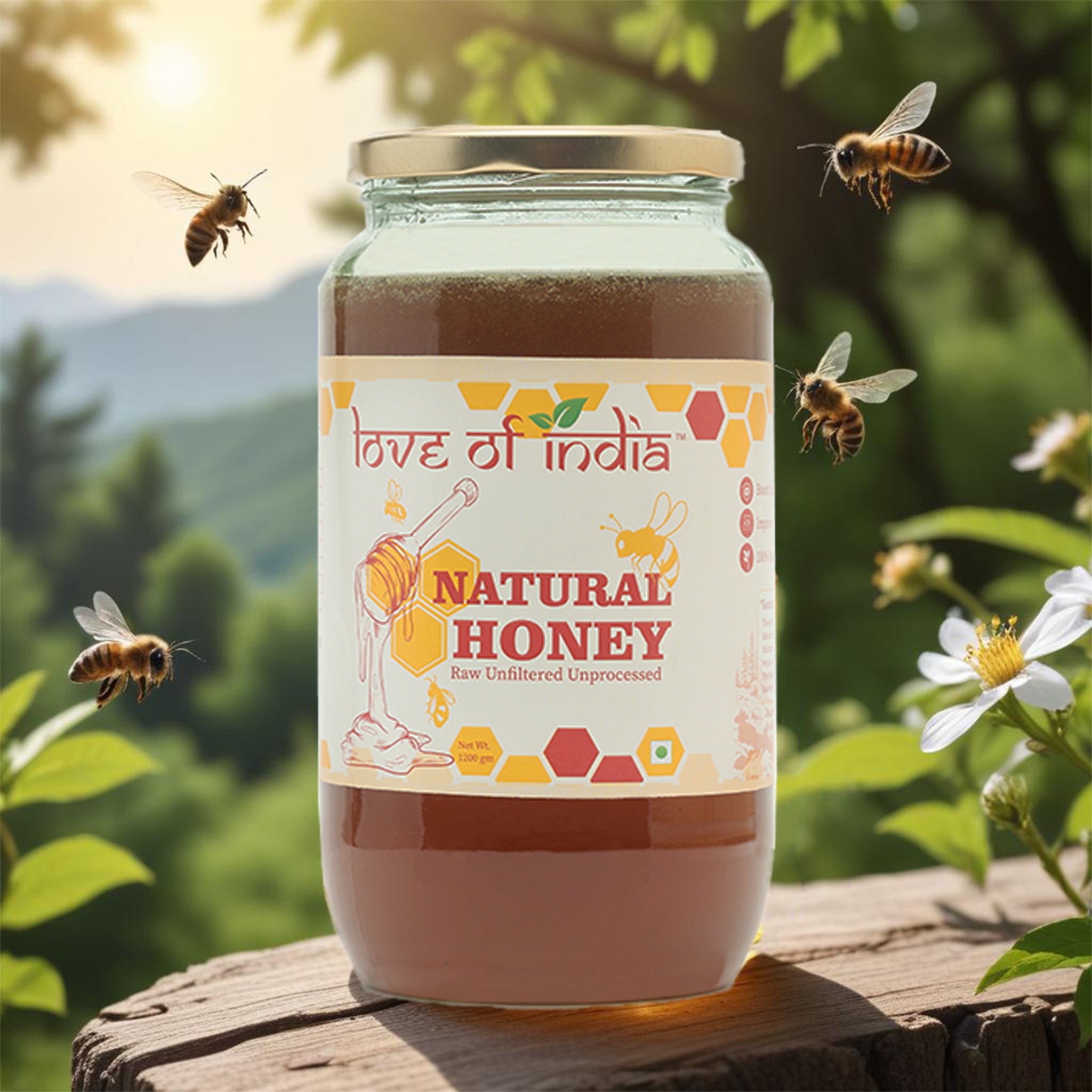
Apitherapy relies on honeybee products like raw honey, propolis, royal jelly, and bee venom to support wellness. If you're exploring natural health alternatives, understanding how these hive substances work helps you separate traditional practices from verified medical science.
People use apitherapy for various wellness goals, from soothing a sore throat with raw honey to managing joint stiffness. While ancient cultures used hive products for wound healing and immune support, modern users must weigh potential benefits against real allergy risks and safety guidelines.
What is Apitherapy?
Apitherapy is the practice of using honeybee-derived products for medicinal or health-promoting purposes. Practitioners use several core substances produced or collected by bees:
- Raw honey containing natural enzymes, amino acids, and antioxidants.
- Propolis, a resinous mixture bees collect from tree buds to seal hives.
- Royal jelly, a nutrient-dense secretion worker bees produce to feed larvae.
- Bee pollen packed with plant proteins, lipids, and vitamins.
- Bee venom containing active peptides like melittin.
Unlike commercial honey found in standard grocery aisles, apitherapy typically calls for raw, unpasteurized honey. Raw honey retains its natural pollens and active compounds that heat treatment destroys. According to the National Institutes of Health, researchers continue studying these compounds for their antimicrobial and anti-inflammatory properties.
Core Benefits of Bee Products
Each bee product offers distinct properties that target different health concerns. Knowing what each substance does prevents misuse.
Raw Honey for Wound Care and Immunity
Raw honey creates a physical barrier that prevents bacterial growth in minor cuts and scrapes. Its high sugar content and low moisture level stop microbes from multiplying. When you consume raw honey, its antioxidants help combat cellular oxidative stress.
Propolis for Oral Health and Inflammation
Propolis acts as the hive's natural defense system. Clinical reviews indicate that mouthwashes containing propolis extracts can reduce dental plaque buildup and soothe gingivitis symptoms. Its rich flavonoid content also helps manage joint inflammation associated with arthritis.
Royal Jelly and Bee Pollen for Nutrient Support
Royal jelly contains B-complex vitamins, fatty acids, and unique proteins. People use it to support skin health and combat fatigue. Bee pollen offers similar micronutrient density, serving as a dietary supplement for individuals looking to boost daily nutrient intake.
Potential Risks and Common Mistakes
Apitherapy isn't risk-free. Jumping into bee product treatments without preparation leads to common pitfalls.
- Ignoring allergy risks: Bee venom and propolis can trigger severe allergic reactions or anaphylaxis. Always test a small topical amount first.
- Using processed honey: Supermarket honey filtered and heated at high temperatures lacks the therapeutic enzymes found in raw local honey.
- Skipping medical guidance: Using bee venom therapy for chronic conditions without consulting a physician can cause dangerous interactions with prescription medications.
For severe reactions, the Mayo Clinic advises immediate emergency care if breathing difficulties or widespread hives occur after exposure to bee products.
How to Safely Incorporate Apitherapy
If you want to try apitherapy at home, start with low-risk applications before considering intensive treatments.
- Add a teaspoon of raw, local honey to herbal tea to soothe an irritated throat.
- Apply a thin layer of cosmetic cream containing purified beeswax to dry skin patches.
- Patch-test propolis tinctures on your inner forearm to check for skin sensitivity before using oral drops.
- Consult a licensed naturopathic physician or healthcare provider before taking royal jelly or bee pollen supplements.
Frequently Asked Questions
Can anyone use apitherapy products?
No. Anyone with known bee sting allergies, asthma, or hypersensitivity to pollen should avoid bee venom and raw pollen products. Pregnant individuals should also consult a doctor before consuming royal jelly or propolis.
Does honey expire?
Raw honey has an indefinite shelf life due to its low moisture and high acidity. It might crystallize over time, but gentle warming in a water bath restores its liquid texture without ruining its properties.
Is bee venom therapy painful?
Direct bee sting therapy or venom injections cause localized pain, swelling, and redness because of the peptide melittin present in the venom. This method requires professional supervision in controlled settings.
What is the difference between honey and royal jelly?
Honey is made from floral nectar processed by worker bees as an energy source. Royal jelly is a glandular secretion fed exclusively to queen bee larvae to promote rapid growth and longevity.



