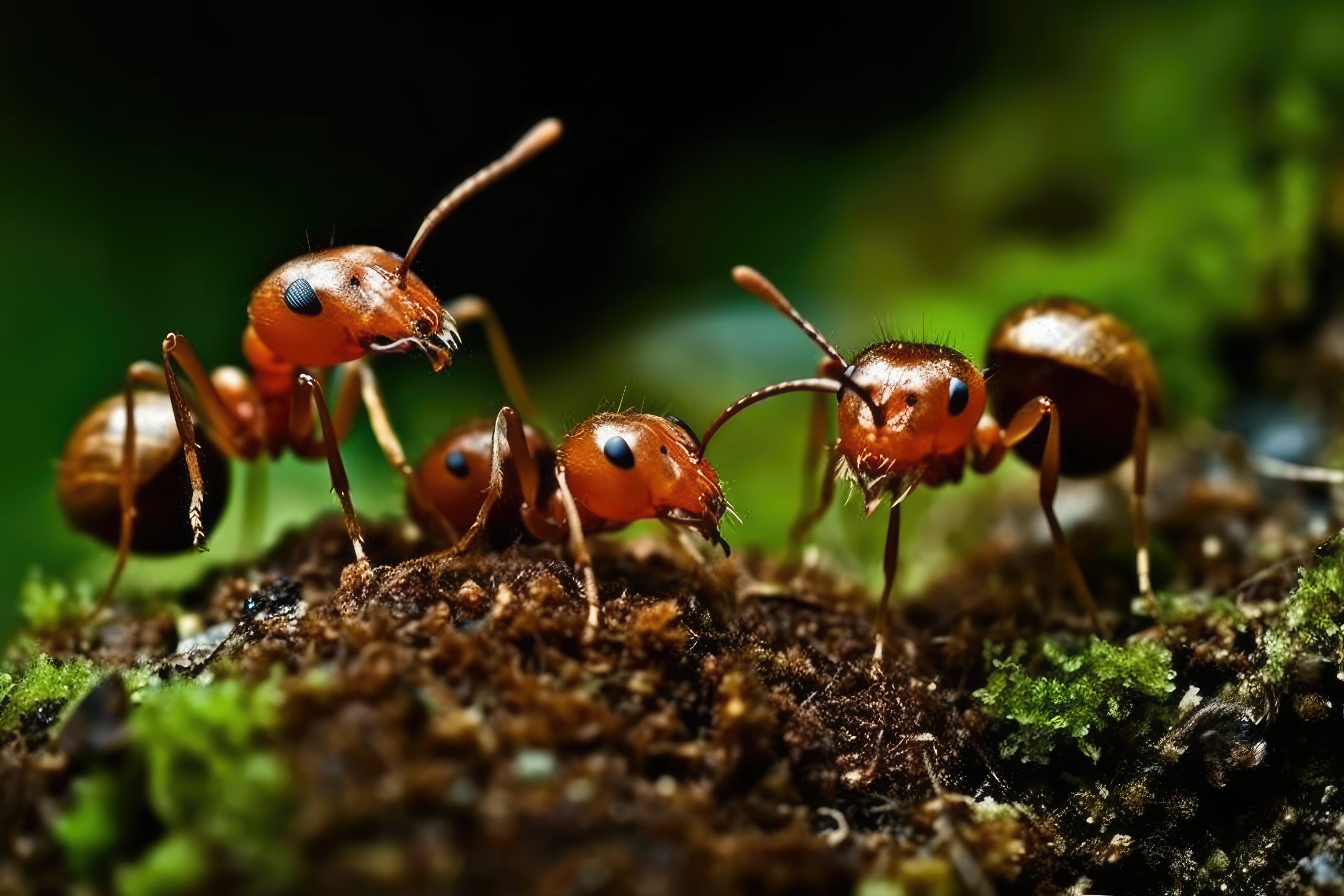
Finding a trail of ants marching across your flour canisters or cereal boxes is an instant trigger for frustration. You don't need to live with tiny invaders taking over your food storage. When ants infiltrate your kitchen, they're searching for two things: easy carbohydrates and moisture. Once a single scout finds an open bag of oats or a sticky spill, it leaves a chemical highway that invites the entire colony right inside.
Getting rid of pantry ants isn't about random aerosol sprays that only kill the workers you see. It's about breaking pheromone trails, securing every food source, and cutting off the nesting sites hidden inside your walls. Here is how to systematically clear out the infestation and keep your kitchen secure for good.
Inspect and Identify the Intruder
Before you buy traps or start scrubbing shelves, you need to know what you're dealing with. Different species behave differently, and treating Argentine ants requires a completely different strategy than managing carpenter ants or odorous house ants.
Look closely at the ants visiting your pantry. Are they tiny and brown, or larger and dark black? Do they travel in single-file lines, or do they scatter in all directions when disturbed?
- Odorous house ants: These small, dark ants release a distinct, coconut-like smell when crushed. They love sugary foods and frequently nest in wall voids near moisture sources like dishwashers or sinks.
- Argentine ants: These form massive multi-queen colonies. They'll swarm any sweet or greasy food in your pantry within minutes of a spill.
- Pavement ants: Usually found near ground-floor kitchens, these dark brown or black ants nest under concrete slabs and enter through tiny foundation cracks.
- Carpenter ants: Much larger than standard kitchen ants, they don't eat wood, but they do tunnel through damp framing to build nests, sending foragers into kitchens for protein and sweets.
Clear and Clean the Pantry
The single biggest mistake people make is spraying surface insecticides directly onto pantry shelves where food rests. That's chemical contamination waiting to happen. Instead, you need a deep physical clean that resets your storage space.
Empty every single shelf completely. Pull out boxes, cans, spices, and appliances. Toss out any opened cardboard boxes, torn plastic bags, or compromised packaging—ants chew straight through thin cardboard and plastic liners without hesitation.
Wipe down every shelf and corner using warm water mixed with dish soap and white vinegar. Vinegar destroys the chemical pheromone trails that workers use to navigate back to the nest. Dry the shelves thoroughly before putting anything back, because trapped moisture invites mold and attracts new pests.
Upgrade Your Food Storage
Cardboard boxes and flimsy paper bags are open invitations. If you want to permanently stop ants from treating your pantry like a grocery store, switch to rigid containment.
Transfer all dry goods—flour, sugar, rice, oats, pasta, baking mixes, and pet food—into heavy-duty glass containers or thick plastic bins with tight rubber gaskets and locking lids. If an ant can't smell the food, it won't bother trying to break in.
Wipe down the outside of sticky condiment jars, honey bottles, and syrup containers before putting them back on the shelves. A single drop of spilled maple syrup on the bottom of a bottle is enough to sustain a scouting line for days.
Cut Off Entry Points and Moisture
Ants don't appear out of thin air. They travel along pipes, utility lines, and structural gaps from the outside or from damp crawlspaces.
Inspect the baseboards, window frames, and corners around your kitchen. Seal any visible gaps or cracks using silicone caulk. Check under your sink for plumbing leaks, condensation drips, or damp wood. According to guidelines from the U.S. Environmental Protection Agency, eliminating indoor moisture sources is one of the most effective ways to discourage household pests from taking up permanent residence.
Deploy Targeted Baits Properly
If cleaning and sealing aren't enough, you're dealing with an established colony hiding inside your walls or under your floors. Surface sprays won't reach the queen, which means the infestation will return within a week.
Use slow-acting protein or sugar-based gel baits placed near ant trails, completely out of reach of children and pets. Forager ants take the poisoned bait back to the nest and feed it to the queen and larvae. It takes a few days, but this method destroys the entire colony at the source rather than just eliminating surface workers. Avoid spraying repellent insecticides near the bait stations, because repellents prevent ants from consuming the bait in the first place.
Frequently Asked Questions
Why do ants suddenly appear in a clean pantry?
Even spotless pantries contain packaged foods, pet food, or microscopic crumbs inside creases. Furthermore, scouting ants explore homes constantly. If the outdoor weather turns too hot or wet, they move indoors seeking shelter and water, even if your shelves look clean.
Are DIY home remedies like vinegar or essential oils effective?
Vinegar, peppermint oil, and lemon juice disrupt pheromone trails and temporarily repel ants. However, they only treat the symptoms. They do not kill the queen or destroy the nest, meaning ants will find a new route around the treated area once the scent fades.
Can pantry ants contaminate my food?
Yes. Ants crawl through unsanitary areas, garbage cans, and damp soil before entering your kitchen. When they walk over your food or packaging, they can transfer bacteria and pathogens, which is why contaminated open items must always be discarded.
When should I call a professional pest control service?
If you've deep-cleaned, sealed entry points, and used gel baits for over two weeks with no reduction in ant traffic, you likely have multiple satellite nests hidden deep inside your walls. Licensed pest management professionals have access to specialized termiticides and baiting systems that safely resolve severe structural infestations.