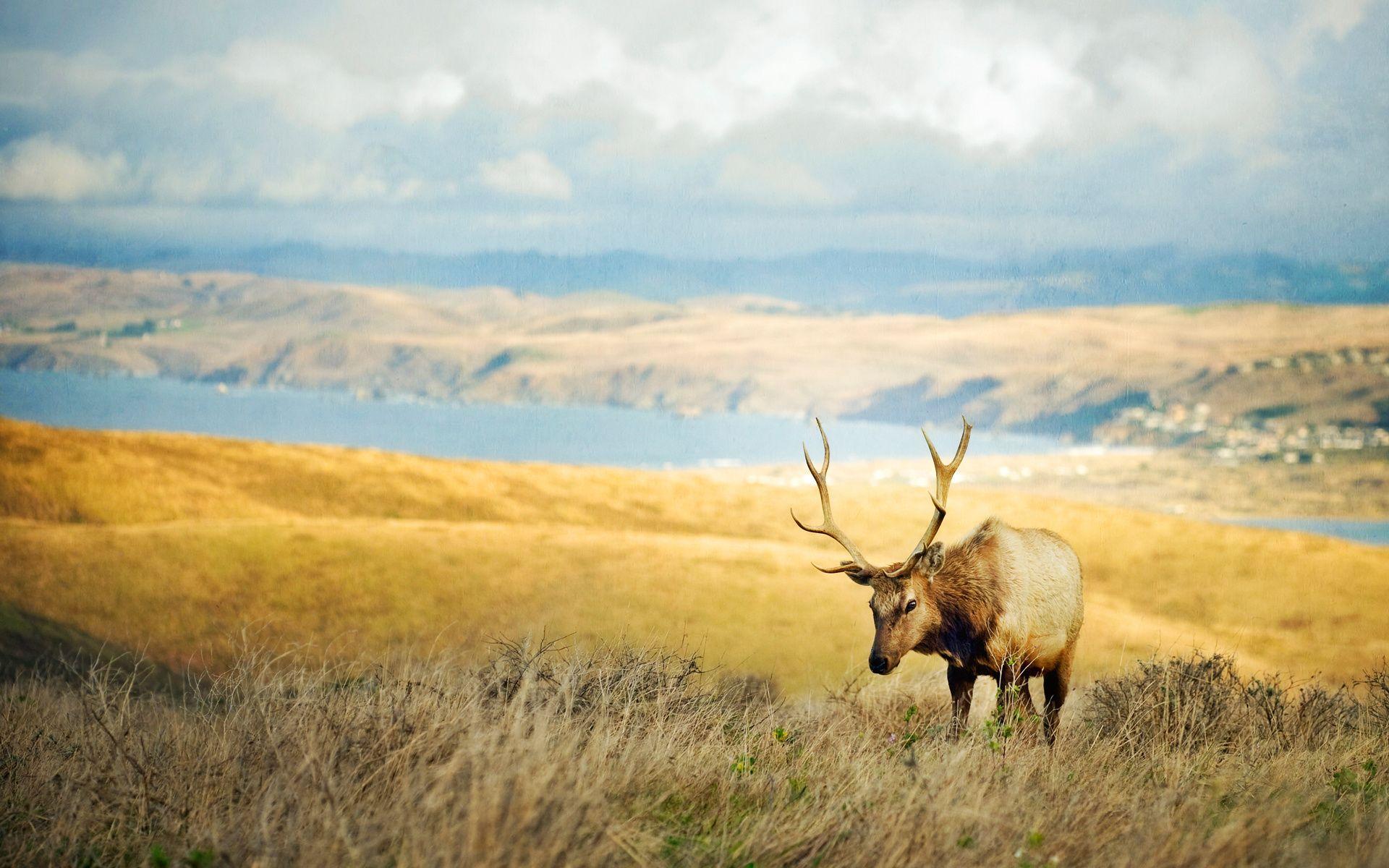
The Antelope Hills Mustang represents a enduring symbol of the rugged American frontier, rooted deeply in the windswept landscape of western Oklahoma. Long before homesteaders and cattle drives reshaped the plains, feral horses roamed the high-grass terrain near the Canadian River, adapting to harsh weather and sparse water sources. These animals forged a legendary reputation for toughness, speed, and endurance, becoming deeply intertwined with the history of the Southern Plains.
Understanding the lore of these wild horses requires looking past romanticized myths and examining the actual ecology and history of the region. From Spanish colonial introductions to Indigenous encounters and modern herd management, the horses of the Antelope Hills reflect the broader story of the North American mustang.
Origins on the Southern Plains
The lineage of North American wild horses traces back to Spanish explorers who brought Iberian horses to the continent in the sixteenth century. As herds expanded northward from Mexico and Texas, animals strayed, were traded, or were abandoned, finding ideal habitats across the grasslands of Oklahoma and neighboring states.
The Antelope Hills, located near the border of present-day Roger Mills County in western Oklahoma, served as a prominent geographic landmark. Rising abruptly above the surrounding plains, these hills offered high vantage points, shelter from harsh winter northers, and access to the Canadian River basin. For wandering bands of feral horses, the topography provided natural protection against predators and harsh elements. To understand the bigger picture, we recommend the detailed report by The New York Times.
- Climate Adaptation: The arid, windy plains forced horses to develop stocky frames and tough hooves capable of navigating rocky terrain.
- Genetic Resilience: Descendants of Spanish stock mixed with escaped cavalry mounts and ranch horses over the centuries, creating a hardy hybrid type suited for endurance.
- Cultural Significance: Plains tribes, including the Cheyenne, Arapaho, and Comanche, frequently encountered these wild bands while hunting buffalo along the western trails.
The Frontier Era and the California Road
By the mid-nineteenth century, the Antelope Hills became a major waypoint for explorers and westward-bound travelers. Captain Randolph B. Marcy surveyed the California Road through this region in the 1850s, noting the presence of wild horses in his official reports. Travelers frequently wrote about spotting bands of wary, fleet-footed mustangs grazing near the base of the hills.
The area also witnessed intense geopolitical conflict as the United States military pushed into Comanche territory. The Battle of Little Robe Creek in 1858 occurred nearby, fundamentally altering the human footprint in the region. Despite encroaching settlement, military outposts, and later cattle ranches, wild horses persisted in small, elusive pockets, evading capture through sheer speed and an intimate knowledge of the broken terrain.
Myth Versus Reality: How Legends Form
Folklore surrounding western mustangs often exaggerates their physical prowess, but the Antelope Hills strain earned genuine respect from early ranchers. Cowboys attempting to rope wild stock often found that local mustangs possessed superior stamina compared to domestic breeds.
Unlike managed livestock, these animals relied entirely on instinct. Writers and regional historians romanticized them as untamable spirits of the plains, cementing the moniker "Antelope Hills mustang" in local lore. In reality, these horses were simply feral domesticates undergoing natural selection in a punishing environment. Only the fittest individuals survived droughts, deep winter snows, and scarcity of forage.
Modern Conservation and Management
Today, true free-roaming wild horse herds in Oklahoma are rare, with most federally protected herds managed by the Bureau of Land Management located in western states like Wyoming, where the Antelope Hills Herd Management Area sits. However, Oklahoma maintains a strong connection to wild horse preservation through sanctuaries like the Mowdy Ranch in southeastern Oklahoma, which provides pasture for hundreds of gathered mustangs.
Public interest in these animals remains high. Organizations such as the Bureau of Land Management Wild Horse and Burro Program oversee herd health and adoption initiatives, ensuring that the legacy of the American mustang persists through structured population management.
Frequently Asked Questions
Where are the Antelope Hills located?
The Antelope Hills are situated in western Oklahoma, near the Canadian River in Roger Mills County, close to the Texas border. They historically served as a vital navigational landmark for travelers and indigenous tribes.
Are there wild horses living in the Antelope Hills today?
Free-ranging wild horse herds in Oklahoma are largely absent today, though federally managed herds bearing the same geographic name exist elsewhere, such as the Antelope Hills Herd Management Area in Wyoming. Oklahoma is also home to private wild horse sanctuaries that house rescued mustangs.
What breed characteristics do mustangs possess?
Mustangs display diverse physical traits because they descend from a mix of Spanish horses, draft breeds, cavalry mounts, and ranch stock. They typically feature strong bone density, hard hooves, and high intelligence, which helped them survive on the open range.
How did wild horses impact the ecology of the plains?
While feral horses are sometimes viewed as invasive, historical populations integrated into the grassland ecosystem alongside native herbivores like bison and pronghorn, grazing on native grasses and influencing plant dispersal.



