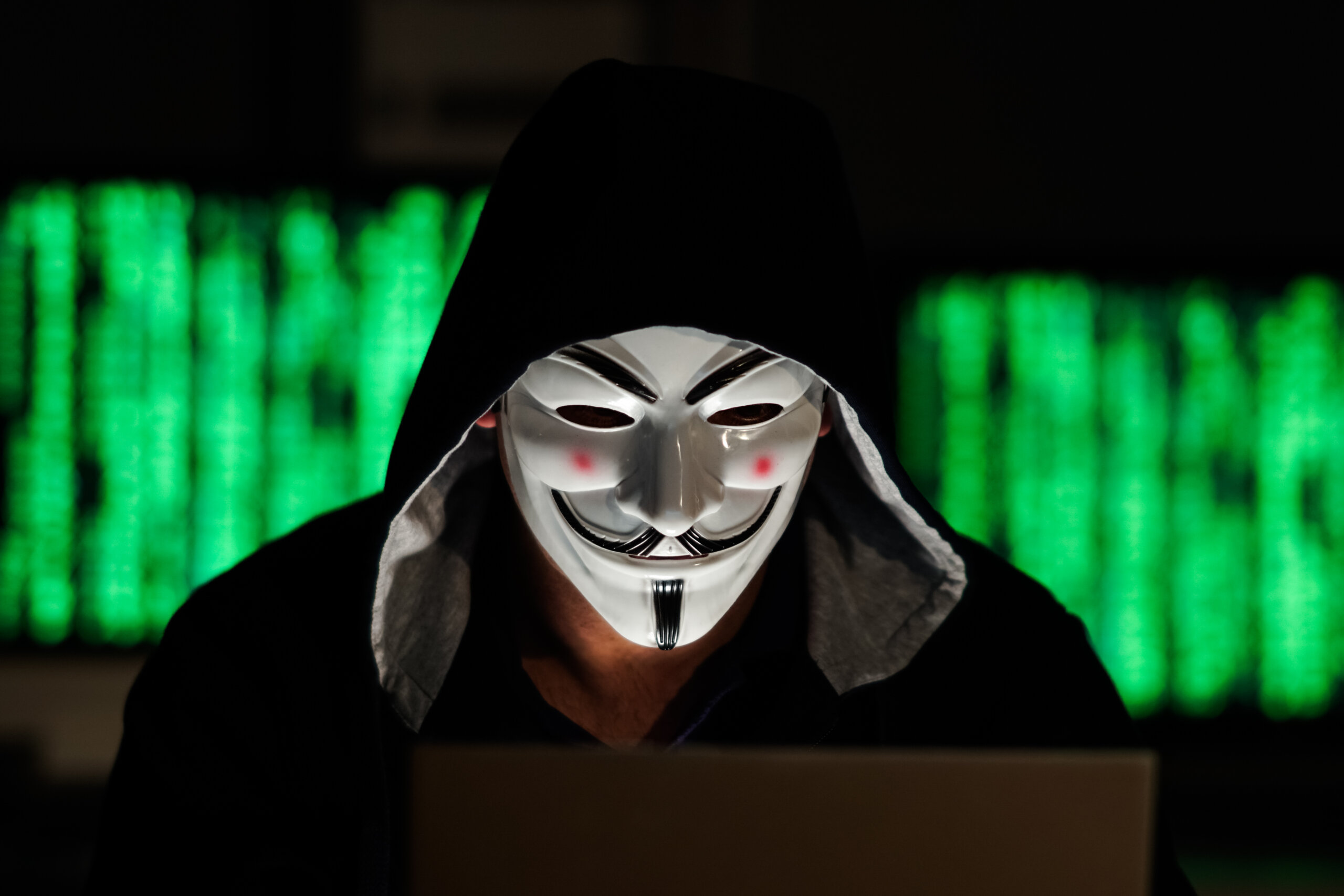
The anonymous signal phrase refers to the covert communication channels, decentralized coordination methods, and encrypted digital tools used during the turbulent 2019 political crisis in Hong Kong. While mainstream news outlets focused on street clashes and legislative battles, the underlying story involved an intricate digital rebellion where privacy apps, crowdsourced funding, and leaderless networks kept a massive social movement alive against powerful state surveillance.
Understanding this dynamic requires looking past simple headlines about protests. You're dealing with a fundamental shift in how modern civil resistance operates under high-stakes authoritarian pressure. When citizens face massive surveillance apparatuses, traditional protest structures collapse, forcing movements into the shadows of encrypted channels.
Origins of the 2019 Crisis
The unrest didn't appear out of nowhere. It sparked directly from the Hong Kong government's introduction of the Fugitive Offenders and Mutual Legal Assistance in Criminal Matters Legislation Amendment Bill in early 2019. This legislation would have permitted criminal extraditions to mainland China, legally threatening the "one country, two systems" framework established when the territory transferred from British to Chinese sovereignty in 1997.
Citizens feared this bill would dismantle judicial independence. Business owners, legal professionals, and students alike recognized that anyone—from political dissidents to visiting foreign nationals—could find themselves sent across the border for trial.
Massive public outcry followed. By June 2019, millions of residents marched through the streets in demonstrations documented extensively by organizations like Amnesty International. The government suspended the bill, but the delay proved too late to quell public anger.
The Anatomy of a Leaderless Movement
Unlike historical uprisings with centralized political parties or prominent spokespeople, the Hong Kong protests operated largely on horizontal organizing principles. Participants adopted the philosophy of martial artist Bruce Lee: "Be water."
This meant organizing without a visible hierarchy. If police arrested prominent activists, the movement didn't stall because no single person controlled the strategy. Instead, communication happened via decentralized digital platforms:
- Telegram Channels: Used for rapid deployment, sharing tactical updates, and coordinating medical supplies on the ground.
- LIHKG: A Reddit-like local forum where users voted on slogans, fundraising goals, and protest strategies.
- AirDrop: Utilized extensively in subway stations and shopping malls to anonymously broadcast safety warnings and protest art to nearby strangers.
This reliance on decentralized tools created an environment where an anonymous signal could mobilize thousands of protesters within minutes, baffling local law enforcement agencies accustomed to targeting fixed leadership structures.
The Five Demands and Government Stance
Protesters eventually crystallized their grievances into five core demands. They wanted the full withdrawal of the extradition bill, retraction of the official characterization of the protests as "riots," release of all arrested demonstrators, establishment of an independent inquiry into police conduct, and the implementation of genuine universal suffrage.
Chief Executive Carrie Lam faced an impossible political balancing act between local public rage and directives from Beijing. The administration's response combined tactical concessions with heavy policing. Tear gas, rubber bullets, and beanbag rounds became common sights in dense urban neighborhoods like Causeway Bay and Admiralty.
Critics pointed out that delayed concessions only escalated tensions. By the time the government officially withdrew the extradition bill in September 2019, trust in local governance had already dissolved entirely.
The National Security Law and Changing Realities
The dynamic shifted permanently in mid-2020 when Beijing enacted the Law of the People's Republic of China on Safeguarding National Security in the Hong Kong Special Administrative Region. This sweeping legislation criminalized subversion, secession, terrorism, and collusion with foreign forces.
Public street demonstrations vanished almost overnight. Independent media outlets closed, civil society organizations dissolved, and thousands of residents emigrated to countries like the United Kingdom, Canada, and Taiwan. The era of mass street mobilization gave way to strict political conformity and heightened digital surveillance.
Common Misunderstandings About the Movement
Many casual observers misinterpret the events simply as a localized property dispute or a minor tax disagreement. In reality, it was a profound constitutional clash over civil liberties, rule of law, and democratic representation.
Another common misconception is that foreign governments orchestrated the protests. While international diplomats voiced opinions, the movement was overwhelmingly homegrown, driven by local students, professionals, and workers anxious about their civic future.
Frequently Asked Questions
What was the primary trigger for the 2019 Hong Kong protests?
The immediate trigger was the proposed extradition bill that would have allowed criminal transfers to mainland China. However, underlying fears about the gradual erosion of local autonomy and civil freedoms fueled the long-term momentum.
How did protesters communicate without being tracked?
Participants relied heavily on end-to-end encrypted messaging applications like Signal and Telegram, local anonymous forums, and peer-to-peer file sharing methods like Apple AirDrop to bypass traditional state surveillance networks.
What is the current political status of Hong Kong?
Following the implementation of the National Security Law in 2020, public dissent has been largely criminalized, opposition politicians have been imprisoned or exiled, and the political landscape aligns much more closely with mainland governance.
Did the protest movement achieve any of its goals?
The government formally withdrew the extradition bill, which was the first demand. However, the other four demands—including universal suffrage and an independent inquiry into police actions—were never met.



