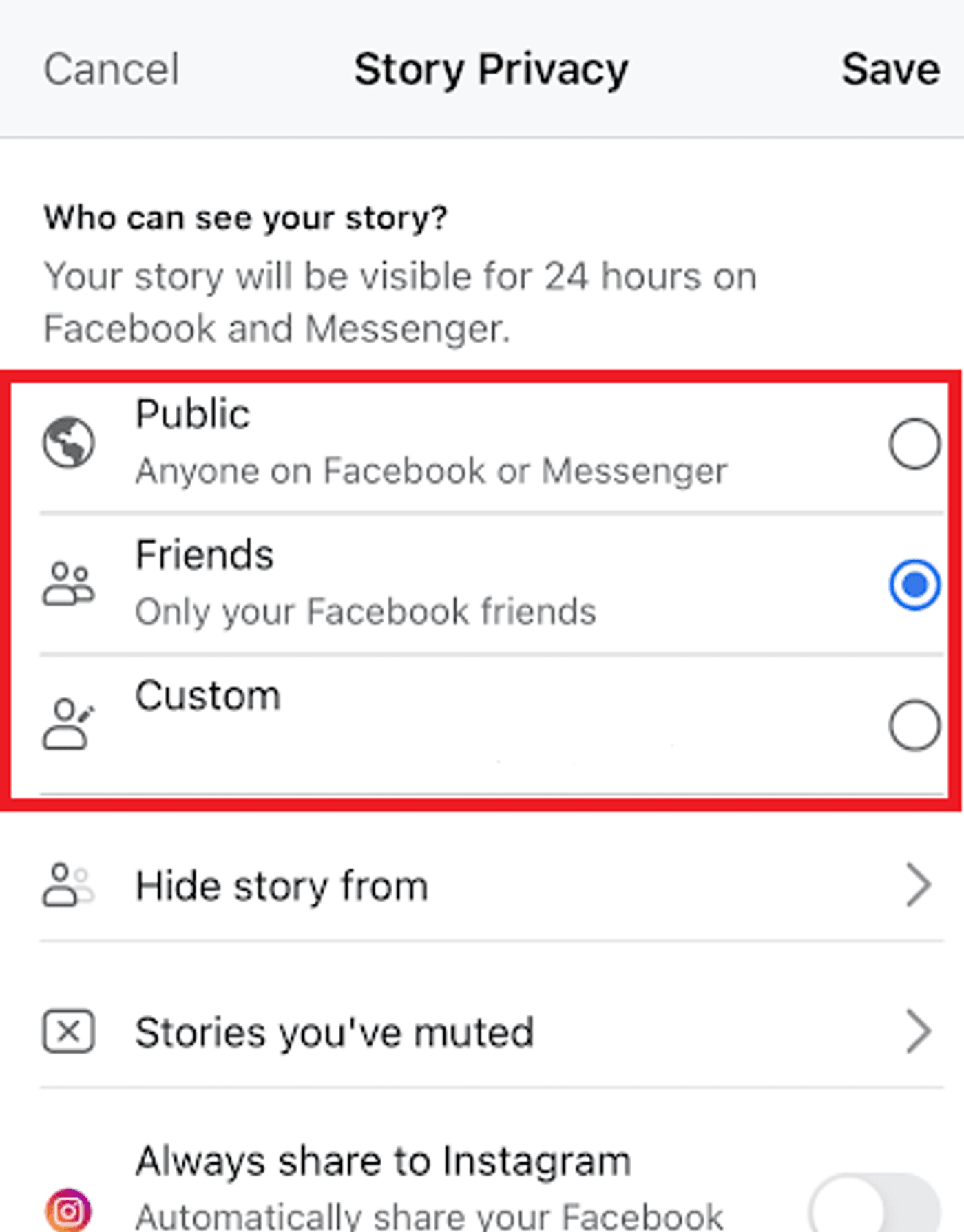
When you tap on a friend or public page's active update on social media, your profile name immediately lands in their view log. For many users, checking a post without broadcasting your presence is a matter of personal privacy, competitor research, or simply avoiding unwanted social friction. Facebook doesn't offer a built-in "stealth mode" for its 24-hour vertical updates, which forces people to look for external workarounds.
An anonymous Facebook story viewer is a web utility or browser-based application designed to fetch public profile updates without logging your account information. These services operate via server-side requests rather than direct browser hooks, meaning your personal ID stays entirely out of the equation. Knowing how these systems work helps you separate reliable privacy options from risky applications that compromise your data.
How Anonymous Story Viewing Works
Understanding the technical mechanics behind story tracking explains why native apps fail to provide stealth options. When a user opens a story inside the official mobile app or desktop site, the platform fires a distinct network request—often tied to a seen-status mutation event—back to its servers. This logs your user ID into the creator's analytics dashboard.
Third-party web viewers bypass this entirely by acting as an intermediary fetcher. Instead of logging into your personal profile, the third-party platform uses an automated system to pull publicly available media assets directly from the target profile's public feed.
- Public Data Limitation: These tools can only pull updates from accounts set to public. If a profile is restricted to friends or private settings, external viewers cannot access them.
- No Authentication Required: Because the request is handled server-side by the tool, you don't need to supply your login credentials, protecting your password from third-party harvesting.
- Media Delivery: Once the server pulls the image or video file, it streams it directly to your browser window for discrete playback or local downloading.
Evaluating Popular Anonymous Viewer Options
The market contains various web utilities promising discrete viewing. Choosing the right option requires balancing convenience against privacy risks.
Dedicated Web-Based Tools
Platforms like FBTake, BraveDown, and specialized story fetchers operate entirely inside standard web browsers. You copy a profile link from the main app, paste it into the tool's search bar, and view the active updates.
- Pros: No installation needed, works across iOS, Android, and desktop, and requires zero login details.
- Cons: Frequent layout changes by social networks can break these tools temporarily, and many free sites rely on intrusive ad banners.
Browser Extensions
Some desktop extensions claim to block tracking scripts or modify incoming network traffic to suppress seen receipts.
- Pros: Integrated directly into desktop browsing sessions.
- Cons: Security experts often flag browser extensions for requesting overly broad permissions, which can expose your broader web history or session cookies.
The Airplane Mode Method
An older workaround involves opening the mobile app, letting stories load while connected to the internet, switching the phone to airplane mode, and viewing the content offline.
- Pros: Requires no external software.
- Cons: Highly unreliable. Modern apps cache content aggressively, but background reconnects often leak your view receipt the moment network connectivity returns.
Common Risks and Privacy Pitfalls
While the appeal of stealth browsing is clear, careless use of third-party tools introduces distinct security vulnerabilities. You should evaluate every platform carefully before pasting profile links.
- Credential Phishing: Never use a tool that demands your Facebook username and password to "unlock" anonymous viewing. Legitimate web viewers only require a public URL.
- Excessive Permissions: If a browser extension asks for permission to read and change all your website data, skip it.
- Malicious Redirects: Free utility sites frequently use aggressive advertising networks that may redirect mobile browsers to spam pages or fake software update prompts. Using a clean browser with a strong content blocker helps mitigate this risk.
Ethical Considerations for Content Research
Marketers, journalists, and researchers frequently use public tracking tools to monitor industry trends or competitor announcements without engaging directly. However, respecting platform boundaries and digital etiquette remains essential.
Third-party downloading tools often feature options to save video or photo files locally. While viewing public content anonymously is a matter of personal browsing comfort, redistributing downloaded media without consent violates copyright standards and platform terms of service. Always secure direct permission if you plan to reference or share material from another creator's feed.
You can review platform safety guidelines directly on the Meta Privacy Center to understand how data sharing and visibility settings operate natively. For broader context on digital footprint management, consult resources provided by the Federal Trade Commission on online privacy.
Frequently Asked Questions
Can anonymous viewers see private Facebook profiles?
No. External viewers rely on public data pipelines. If a user restricts their profile or updates to friends only, third-party tools cannot bypass those cryptographic and privacy barriers.
Do these tools notify the account owner?
No. Because the fetch request is executed through an independent server rather than your logged-in account, your profile identifier is never transmitted to the host platform, keeping your view completely unrecorded.
Do I need to create an account to use a web story viewer?
Most reputable web-based viewers operate on an open-access model. You simply paste the public link and view the content immediately without registering an email or creating a password.
Why is a specific profile's story not loading in the viewer?
The most common reason is that the 24-hour lifespan of the update has expired. Additionally, if the account owner recently changed their privacy settings from public to private, external tools will instantly lose access.



