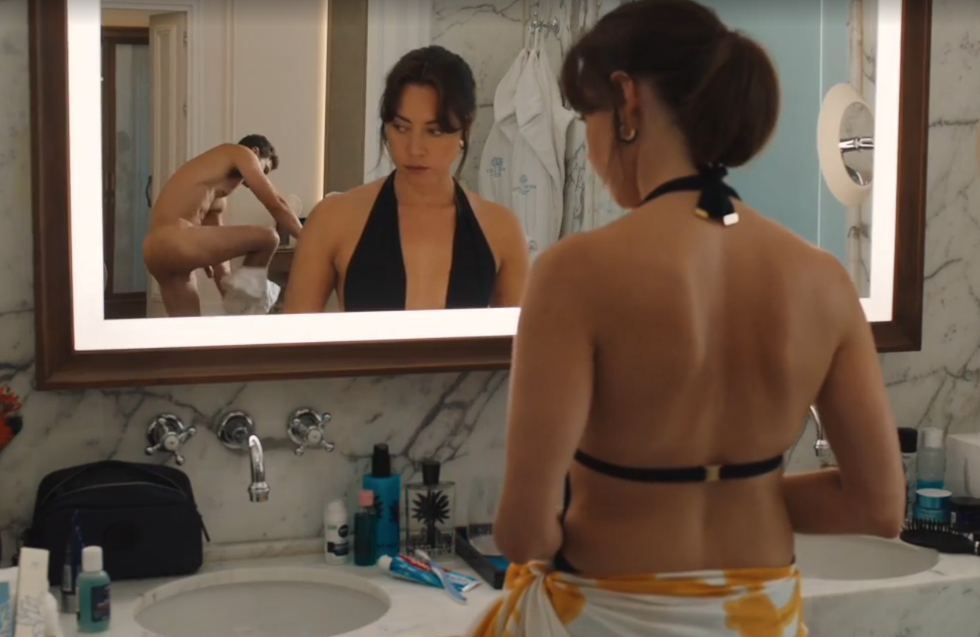
When Anna Delvey released a provocative self-portrait online, the cultural machinery didn't just notice—it fractured. The image, featuring the convicted fraudster in a stark pose with her hands obscuring her body, tore through digital feeds before landing squarely in the high-stakes arena of contemporary galleries. Critics immediately divided into opposing camps, arguing whether the piece represented a daring critique of modern celebrity or merely a shameless continuation of a notorious grift.
This clash wasn't simply about an individual photograph. It exposed deep insecurities within the traditional art establishment regarding how digital notoriety, social media reach, and pure infamy convert into commercial value. As institutions scramble to capture internet-driven attention, pieces like Delvey's force a reckoning over what raw authenticity actually means when the artist's entire biography is built on fabrication.
The Digital Anatomy of a Modern Provocation
Long before physical canvases entered the conversation, the image circulated as a digital shockwave. It wasn't unveiled in a white-walled gallery with hushed whispers; it hit Instagram feeds where followers consumed it alongside lifestyle posts and promotional clips. This delivery mechanism fundamentally altered how viewers received the work. In digital spaces, context collapses, and a self-portrait by a former federal inmate functions simultaneously as high-concept performance art and low-brow clickbait.
Traditional fine art has a long history of utilizing notoriety to challenge institutional gatekeepers, from Duchamp's readymades to Maurizio Cattelan's duct-taped banana. Yet those gestures usually emerged from individuals embedded within artistic movements. Delvey's image arrived from outside the academy, born directly out of the public fascination documented by outlets like The Guardian. Because the image blurred the boundary between private exposure and public manipulation, viewers couldn't separate the aesthetic object from the person who made it.
- Immediate viral amplification: The image bypassed normal critical channels, spreading instantly across social platforms without curatorial mediation.
- The biography trap: Viewers couldn't look past Delvey's criminal record, which colored every interpretation of the work's intent.
- Platform-driven reception: Instagram's algorithms rewarded the sheer shock value, ensuring massive reach before any critic published a single review.
Institutional Anxiety and the Economy of Infamy
Galleries and curators face an ongoing existential crisis: how to stay relevant in a culture dominated by algorithmic virality. When a New York venue offered space for Delvey's artistic output, it wasn't purely an aesthetic judgment. It was a calculated bet on audience capture. Publications such as Hyperallergic pointed out that exhibiting such work highlights how easily institutions can be co-opted by celebrity machinery, trading traditional standards of technical skill or conceptual rigor for guaranteed media coverage.
This dynamic creates a difficult dilemma for collectors and critics. If an artwork's primary value stems from the tabloid headlines surrounding its creator, does the object hold any independent artistic merit? Many established artists voiced frustration, arguing that individuals with genuine training struggle for years to secure exhibition space while notorious public figures bypass the queue entirely through sheer shock value.
- The monetization of notoriety: Galleries realized that controversy drives foot traffic and high-value sales faster than quiet craftsmanship.
- Curatorial compromise: Critics argued that featuring high-profile fraudsters cheapens the cultural authority of legitimate exhibition spaces.
- The spectator's complicity: Buyers aren't just acquiring an object; they're purchasing a piece of a viral cultural moment.
Performance Art Versus Calculated Stunt
To understand why the piece polarized opinion, we have to look closely at the blurry line separating genuine performance art from public relations stunts. Historically, artists like Marina Abramović used their bodies to test physical endurance and psychological boundaries, demanding deep engagement from the audience. When a high-profile figure uses a similar visual language, skeptics argue it lacks the conceptual depth required of true performance work.
Yet, defenders suggest that Delvey's entire existence is a living installation. If the scam was the performance, then the aftermath—including how she markets her own image from confinement—becomes an ongoing commentary on how society consumes female ambition, criminality, and reinvention. According to profiles in outlets like Forbes, Delvey openly embraces both her identities as an artist and a con artist, effectively daring the public to find the difference between a genuine creative act and a clever con.
"When an artist's entire biography is a construct, every subsequent action—including painting or photographing oneself—functions as a layer of meta-commentary on truth and deception."
✨ Don't miss: Draw a Vagina: Simple Step-by-Step Anatomy Guide
Frequently Asked Questions
What was the specific subject of Anna Delvey's controversial photograph?
The image is a self-portrait featuring Delvey in a provocative pose with her hands positioned to obscure her body, shot during a period when she was heavily documenting her post-conviction life and transition into creative projects.
Why did art critics react so negatively to the exhibition?
Many critics argued that the work relied entirely on celebrity sensationalism rather than technical merit, effectively rewarding criminal notoriety and bypassing the traditional standards expected of emerging artists.
Can a convicted fraudster legally sell artwork?
Yes. There is no legal prohibition preventing individuals with criminal records from producing, exhibiting, or selling visual art, though high-profile cases often face complex scrutiny regarding profit distribution and court-ordered restitution.
How did social media influence the reception of the piece?
Social media removed traditional curatorial gatekeepers, allowing the image to reach millions of viewers instantly. This immediate, unmediated exposure forced mainstream art critics to respond to a cultural phenomenon already fully formed online.



