Animes with cute guys occupy a massive share of contemporary viewing habits because audiences crave emotional vulnerability over traditional hyper-masculinity. Modern otaku culture has shifted away from the stoic, muscle-bound heroes of the 1980s and 1990s action eras, favoring protagonists who display genuine empathy, gentle dispositions, and nuanced emotional complexity. This transformation isn't a fleeting trend; it reflects a fundamental evolution in what viewers find compelling, relatable, and inspiring in animated storytelling.
You'll find that these charming male leads drive engagement across genres ranging from slice-of-life and romance to supernatural thrillers. Creators use this character archetype to dismantle tired tropes, proving that inner strength, emotional intelligence, and physical approachability create deeper, more lasting audience connections than sheer brute force.
The Evolution of Male Protagonists in Anime
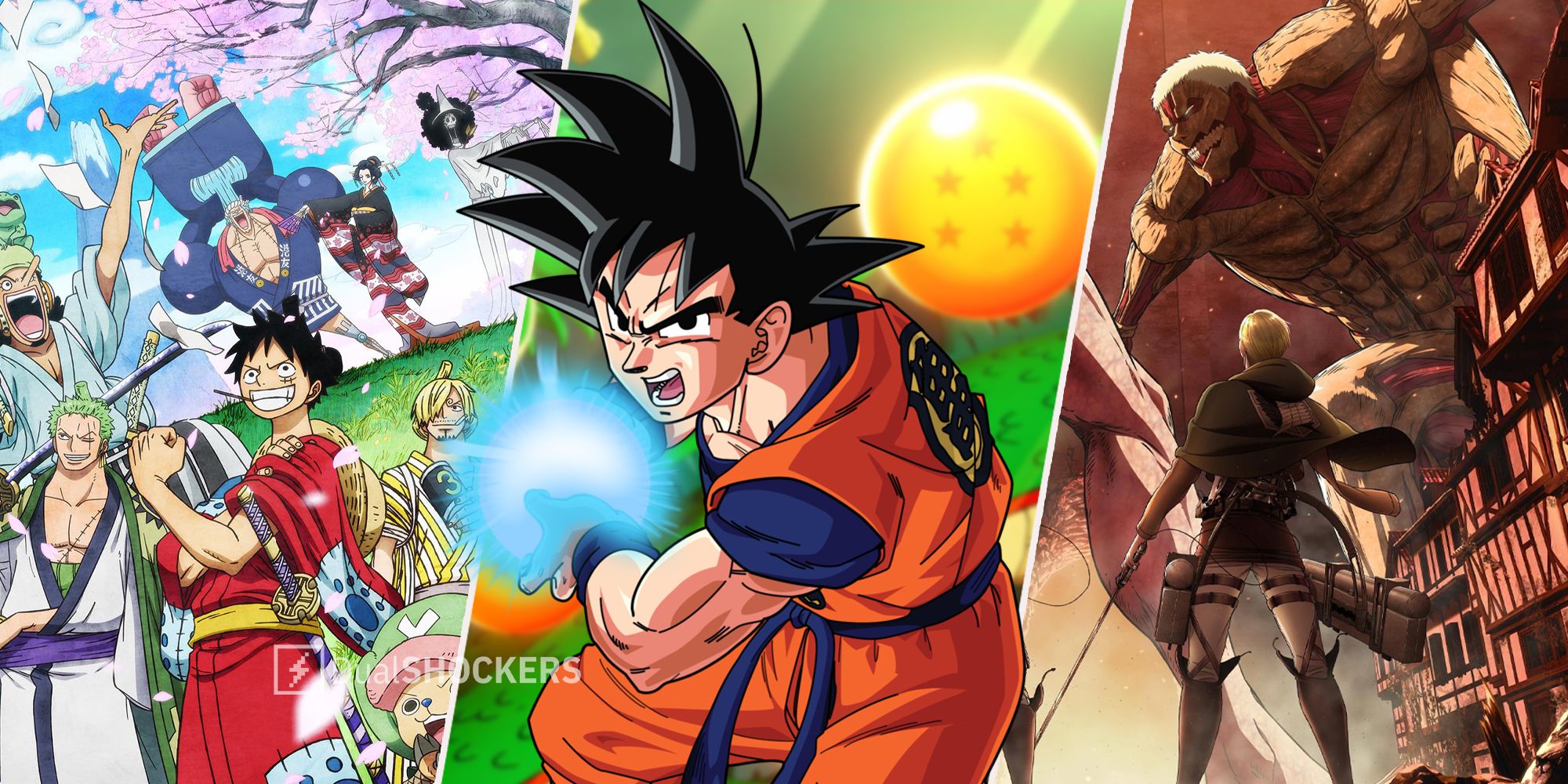
The landscape of Japanese animation has undergone a dramatic character redesign over the past three decades. Early shonen and seinen pillars relied heavily on the classic archetype: loud, aggressive, fiercely independent fighters whose primary goal was physical supremacy. While characters like Goku or Kenshiro defined their respective decades, audience tastes began shifting with the rise of urban slice-of-life, josei, and subverted shojo crossovers.
Creators realized that viewers respond deeply to vulnerability. Characters who stutter, blush, show genuine concern for their friends, or grapple with mundane anxieties feel closer to home. This shift mirrors broader cultural changes in entertainment media, where traditional standards of masculinity are continuously reexamined. Today's studios design male protagonists with soft character outlines, expressive eyes, and nuanced flaws that humanize them instantly.
According to industry reports from streaming giants like Crunchyroll, series focusing on character-driven emotional growth consistently pull high retention rates, particularly among diverse demographic blocks that value character chemistry over simple conflict resolution.
Why Viewers Connect With Gentle and Charming Leads
The appeal of cute anime guys goes far beyond superficial aesthetics. Psychological comfort and relatability form the bedrock of this phenomenon. When a protagonist handles high-stakes situations or awkward social interactions with a mixture of gentle humor and sincere kindness, it offers a form of emotional security for the viewer.
- Emotional Availability: Cute male leads express sadness, confusion, and joy without masking these feelings behind toxic stoicism.
- Non-Threatening Presence: Their approachability lowers viewer defenses, making intense narrative moments hit harder because the character feels like a trusted friend.
- Subverted Power Fantasies: Instead of conquering enemies through overwhelming might, these characters often win through cleverness, empathy, or steadfast moral alignment.
This emotional resonance explains why franchises featuring soft-spoken or endearingly clumsy protagonists build such intensely dedicated fandoms. Communities form around character milestones, growth arcs, and interpersonal dynamics rather than simple power scaling debates.
Visual Design Choices That Define the Archetype
Animation is a visual medium, and character designers use specific anatomical and stylistic techniques to communicate "cuteness" and charm. These choices are deliberate and draw distinct psychological reactions from the audience.
Soft Facial Structures and Expressive Features
Unlike the sharp, angular jawlines and grimacing expressions of classic action heroes, cute male leads feature softer facial contours, slightly larger eyes with detailed catchlights, and gentle proportions. These features mirror human cues for youthfulness and approachability, triggering an instinctive sense of warmth.
Wardrobe and Casual Aesthetic
Fashion plays a massive role in modern character design. Oversized sweaters, messy hairstyles, rolled-up sleeves, and subtle accessories replace rigid uniforms or battle armor. This casual wardrobe grounds the character in everyday reality, making their adventures feel accessible even in fantastical settings.
Micro-Expressions and Body Language
The magic of these characters often lives in the animation details: a slight blush, a nervous neck-scratch, or hesitant posture. These subtle actions communicate inner thoughts more effectively than lengthy exposition monologues, allowing the audience to read between the lines.
For deeper insights into how character design influences viewer retention, you can explore research from the [Anime News Network](https://www.animenews network.com) archives on modern demographic shifts.
Genres Where Cute Male Leads Thrive
While you can spot charming protagonists anywhere, certain genres are tailor-made for their specific brand of appeal.
- Slice-of-Life and Romance: Here, the focus centers entirely on interpersonal communication, making gentle, empathetic leads essential for believable relationship pacing.
- Supernatural and Fantasy: Placing an endearingly ordinary or soft-spoken guy into a world of magic creates instant dramatic tension and charming comedic contrast.
- Sports and Team Dramas: Modern sports anime often lean away from aggressive rivalry, highlighting supportive teammates who build each other up through mutual vulnerability.
Common Mistakes When Analyzing Otaku Character Trends
If you're studying or writing about modern anime culture, it's easy to fall into a few analytical traps. Avoiding these missteps ensures a more accurate view of the industry.
- Dismissing Cuteness as Superficial: Assuming that cute character designs automatically mean shallow writing ignores decades of subversion where adorable leads carry heavy emotional baggage and complex trauma.
- Treating All Subgenres Identically: A romance protagonist functions entirely differently from a fantasy lead; lumping them together flattens the nuances of how charm operates in different narratives.
- Ignoring Global Audience Influence: Modern character design is increasingly shaped by international feedback loops, not just domestic Japanese viewership trends.
Frequently Asked Questions
Why did anime shift away from hyper-masculine heroes?
Audiences grew fatigued by repetitive power fantasies. Viewers increasingly look for characters who reflect real emotional struggles, everyday anxieties, and nuanced interpersonal relationships.
Are cute male leads only popular with female viewers?
Not at all. While josei and shojo demographics embrace these characters enthusiastically, modern shonen and seinen series also utilize gentle, approachable male leads to appeal to broader, gender-diverse audiences seeking well-rounded storytelling.
Do cute anime guys lack narrative depth?
Many viewers worry that an adorable design implies a weak personality, but iconic series continually prove that gentle leads can anchor dark, intricate plots with quiet resilience and moral steadfastness.
How does character design influence merchandise sales?
Visual appeal directly impacts collectible markets. Characters with distinct, memorable, and approachable designs translate exceptionally well into plushies, figures, and lifestyle merchandise that fans love to collect.



