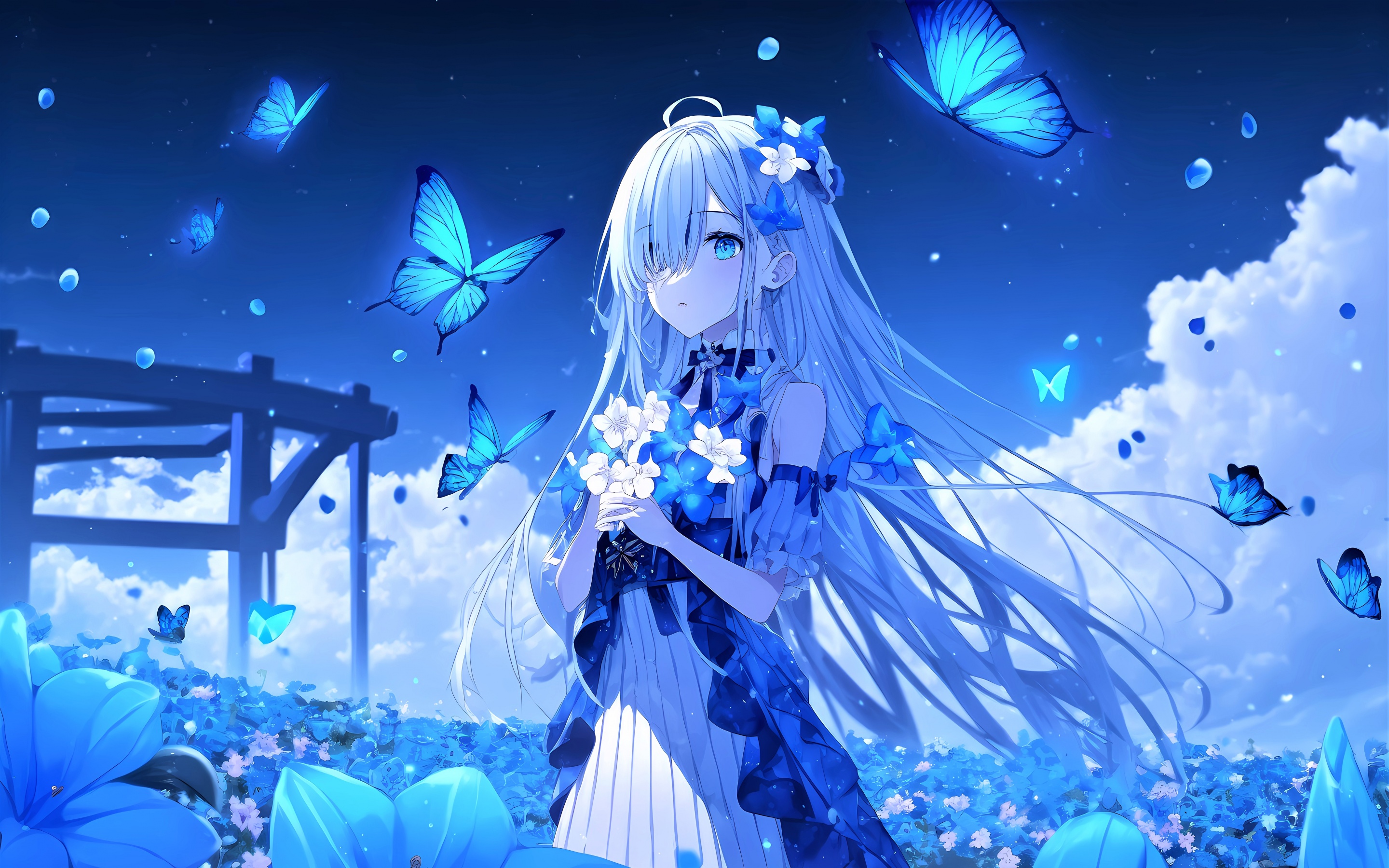
Cerulean, navy, and pale cyan tresses have become a permanent fixture in Japanese animation. When an artist gives a character blue hair, they are making an immediate visual and psychological statement. This specific color choice isn't just about making a design pop off the screen; it serves as a distinct shorthand for personality traits, narrative roles, and emotional depths. From early pioneers of the medium to modern powerhouse franchises, blue-haired heroines capture viewer attention through a mix of striking aesthetics and complex storytelling.
Understanding why these characters resonate so deeply requires looking past the surface dye. Blue sits on the cooler end of the spectrum, naturally communicating serenity, introspection, cold intelligence, or deep-seated melancholy. When creators deploy this hair color, they often build an entire persona around those tonal associations. This guide explores the iconic figures defining this character archetype, the psychological tropes behind the design, and the cultural impact these unforgettable heroines leave on the industry.
The Psychology and Evolution of Blue Hair in Anime
Character design in animation relies heavily on visual language. Because viewers process color faster than exposition, designers use palette choices to communicate internal states before a character even speaks. Blue hair emerged decades ago as a way to push past the limits of natural human coloration while keeping characters grounded in specific emotional archetypes.
Cool, Calm, and Calculated
The earliest and most enduring association with blue locks is emotional detachment or supreme intellect. Creators often assign this shade to tacticians, scientists, or introverted fighters who keep their feelings tightly under wraps. This restraint contrasts sharply with the hot-headed, loud protagonist archetype typically sporting fiery red or spiky blonde hair.
For example, a character like Rei Ayanami from Neon Genesis Evangelion established the blueprint for the quiet, enigmatic blue-haired girl. Her muted, pale cyan hair mirrors her detached demeanor, minimal emotional expression, and ethereal nature. This design choice taught generations of animators how to visually signal isolation and mystery.
Transition from Fringe to Mainstream
In early decades, unnatural hair colors in anime were sometimes restricted to eccentric characters or magical girls. As production techniques advanced and animation styles embraced bolder palettes, blue hair shifted from a novelty to a versatile tool. Today, heroines with cerulean strands span every genre, from slice-of-life comedies to high-stakes battle shonen, proving that the aesthetic can adapt to any narrative tone.
Iconic Anime Girls With Blue Hair
Certain characters transcend their original series, becoming cultural touchstones that define how we view the archetype. Here are the defining figures who shaped the legacy of blue hair in animation.
Rei Ayanami (Neon Genesis Evangelion)
As mentioned, Rei is the undisputed matriarch of this visual trope. Her short, pale blue bob and red eyes created an instantly recognizable silhouette that influenced countless designs across the medium. Her quiet introspection and complex existential role in Neon Genesis Evangelion cemented the idea that blue hair equals profound inner mystery. You can read more about the series' historical impact on MyAnimeList.
Bulma (Dragon Ball)
Bulma represents the energetic, brilliant counterpart to the quiet-girl stereotype. As one of the longest-running heroines in anime history, her hair has gone through numerous cuts and color shifts, but her iconic bright blue hair from the early days of Dragon Ball remains legendary. She proves that blue-haired characters can be inventors, adventurers, and driving forces of the plot rather than passive wallflowers.
Rem (Re:Zero - Starting Life in Another World)
Rem took the anime community by storm with her distinctive maid outfit, shoulder-length blue hair, and deep emotional loyalty. Her character design utilizes a side-swept fringe that partially covers one eye, symbolizing her guarded nature and internal vulnerability. Rem's fierce dedication and tragic narrative arc elevated her to one of the most recognizable modern examples of the trope. Learn about the light novel origins that inspired her design through Anime News Network.
Aqua (KonoSuba: God's Blessing on This Wonderful World!)
Aqua flips the stoic scientist trope completely on its head. Sporting long, vibrant water-blue hair and an equally fluid goddess status, she combines stunning visual design with chaotic, comedic energy. Her character demonstrates that blue hair isn't restricted to serious or melancholic roles; it works just as well for expressive, larger-than-life comedic personalities.
Breaking Down Common Character Tropes
Designers don't pick colors at random. When you spot a blue-haired heroine on screen, you can usually expect certain narrative patterns. Recognizing these tropes helps explain why fans feel such strong attachments to these characters.
- The Taciturn Prodigy: Quiet, observant, and possessing skills that outclass everyone else in the room. They rarely raise their voice, preferring strategic silence.
- The Loyal Protector: Characters driven by an intense devotion to a protagonist or a cause, often hiding deep insecurities behind a polite exterior.
- The Magical Sovereign: Royalty or entities connected to water, ice, or spiritual realms, where the hair color serves as a literal extension of their elemental powers.
How Palette Variations Alter Perception
Not all blue is created equal. The specific shade changes how viewers perceive a character instantly:
- Dark Navy / Indigo: Associated with maturity, sternness, and quiet strength. These characters often hold positions of authority or carry heavy burdens.
- Cyan / Pastel Blue: Suggests fragility, otherworldly grace, or emotional distance. Common in sci-fi or supernatural settings.
- Bright Electric Blue: Signals high energy, playfulness, and rebellion against societal norms.
Why This Aesthetic Endures
The enduring popularity of blue-haired anime characters comes down to versatility. Creators can mold the color to fit an emotional, quiet tragedy or a vibrant, comedic adventure. It bridges the gap between grounded realism and fantastical storytelling, offering viewers a striking visual anchor that stays memorable long after the credits roll.
Frequently Asked Questions
Why do so many anime characters have blue hair?
Animators use unnatural hair colors like blue as a visual shorthand for personality traits, emotional states, and narrative roles. It helps viewers instantly recognize a character's archetype—such as calm intelligence or mystical power—before any dialogue takes place.
Who was the first famous blue-haired anime girl?
While early manga and anime featured various colorful designs, Rei Ayanami from Neon Genesis Evangelion (1995) is widely credited with popularizing the specific archetype of the quiet, pale-blue-haired mystery girl that influenced modern character design.
Are blue hair and water powers always connected?
Not always. While characters with water or ice themes often feature blue hair for thematic consistency, many blue-haired characters possess entirely unrelated abilities, such as mechanical genius, martial arts prowess, or normal human capabilities.
How does hair color affect character perception in animation?
Color psychology plays a major role in character design. Cool tones like blue naturally evoke a sense of calm, coldness, introspection, or intelligence, guiding how the audience expects the character to behave.



