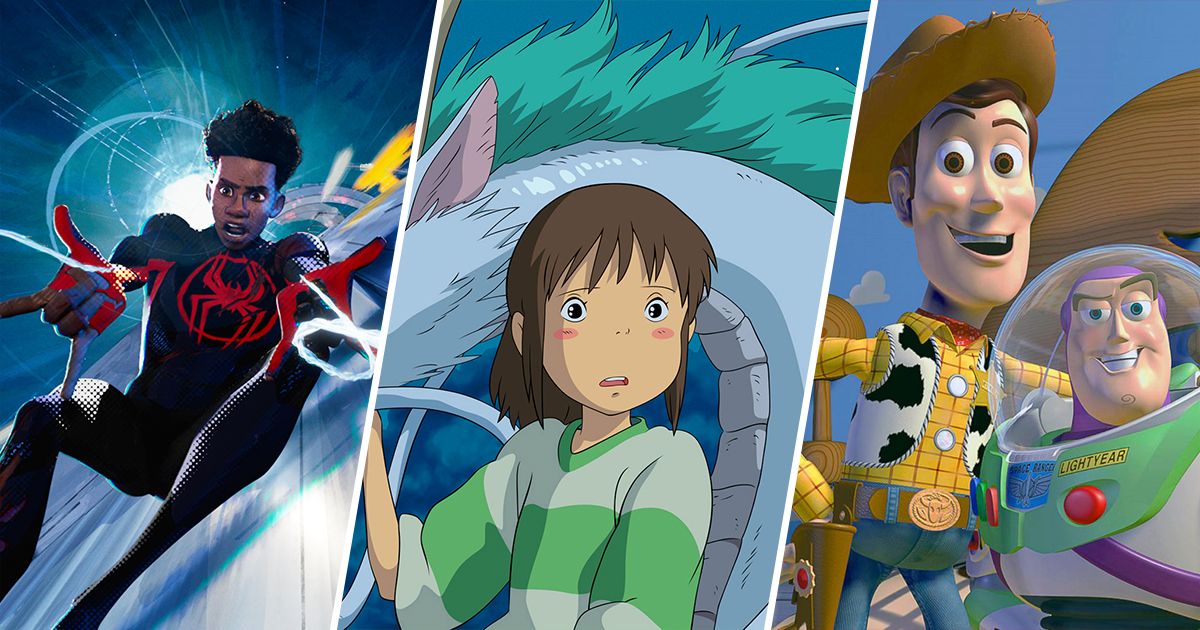
Writers on the Archive of Our Own (AO3) are pushing past traditional text barriers by embedding moving imagery directly into chapters. While prose used to rely entirely on adjectives and dialogue tags to convey emotion, creators now use short animation loops to anchor a mood, illustrate a complex action sequence, or provide a visual punchline. This shift transforms text-only stories into hybrid media experiences, altering how readers consume serialized fiction online.
Integrating moving loops into web prose changes the pacing of a scene. Instead of spending three paragraphs describing a character's intricate facial expression or a frantic chase, an embedded image lets the reader digest the visual beat instantly before returning to the text. This style bridges the gap between traditional writing and modern digital culture, where short-form loops rule social feeds.
Why Writers Embed Moving Visuals in Fanfic
Writing serialized fiction online requires holding a reader's attention against endless digital distractions. Visual elements break up dense blocks of text, giving the eye a rest while reinforcing the author's exact creative vision.
When you read a passage describing a specific cinematic fight or a subtle micro-expression, your mind supplies its own imagery. Adding a moving loop removes ambiguity. It ensures that every reader sees the exact choreography, costume design, or emotional shift the author imagined. This technique proves especially popular in fandoms originating from visually striking source material like anime, video games, and stylized television series.
- Pacing control: Quick visual flashes mimic rapid cuts in film editing, speeding up action beats.
- Emotional anchors: A looping expression highlights a specific heartbreak or smirk without cluttering the prose.
- Fandom shorthand: Readers familiar with social media culture instantly grasp the tone set by a specific clip choice.
Technical Realities of Image Hosting on AO3
Unlike platforms that host media natively in private databases, AO3 doesn't allow direct image uploads. Writers must host their visual files on external services—such as Imgur, GitHub, or dedicated image storage—and pull them into the work using standard HTML tags.
<img src="https://example.com/your-image.gif" alt="Description of the scene">
This dependency introduces unique maintenance challenges. If an external image host goes down or deletes an inactive account, the story suffers from broken image icons. Creators must choose reliable hosting providers and keep backup files. Furthermore, embedding heavy media files can slow down page loading times for mobile readers, making file size optimization essential.
Sizing and Formatting Best Practices
Large files ruin the reading experience, especially on smartphones where data limits and screen space matter. Writers should compress their files before publishing.
- Keep widths manageable: Set image widths between 300 and 500 pixels so they fit comfortably on mobile screens without forcing horizontal scrolling.
- Watch file sizes: Aim for file sizes under 2 megabytes to prevent lag during chapter loading.
- Include alt text: Always fill out descriptive alt text for accessibility and fallback support if the file fails to load.
Reader Reception and Accessibility Concerns
The inclusion of moving media splits the fanfiction community. Supporters argue that multimedia storytelling creates an immersive, modern reading format that honors the collaborative nature of fandoms. Detractors find motion distracting, arguing that flashing lights or constant movement pulls them out of the narrative flow and interferes with imaginative immersion.
Accessibility remains a critical factor. Rapidly flashing loops can trigger migraines or seizures for readers with photosensitive conditions. Thoughtful creators use content warnings at the top of chapters, allowing sensitive readers to prepare or skip the visual assets entirely.
- Photosensitivity warnings: Mention motion or flashing content in the top author's notes.
- Stylistic balance: Use visuals sparingly rather than decorating every single paragraph, keeping the focus on strong writing.
- Reader preference: Accept that some audiences prefer pure text while others embrace hybrid formats.
Frequently Asked Questions
How do I add an image to my AO3 chapter?
You need to switch the rich text editor to the HTML editor and insert standard image tags linking to an externally hosted file. Always include an alt attribute for accessibility.
Will broken links ruin my story permanently?
If the external host deletes your file, the image will disappear from your chapter. You can fix this by re-uploading the file elsewhere and updating the HTML source link in your edit chapter settings.
Do moving files affect mobile reading?
Yes. Oversized files consume mobile data quickly and cause stuttering while scrolling. Keeping dimensions compact ensures smooth performance on phones and tablets.
Are there rules against using copyrighted media?
AO3 operates under a transformative works philosophy, but external image hosting services have their own copyright and content policies that users must follow to avoid account bans.