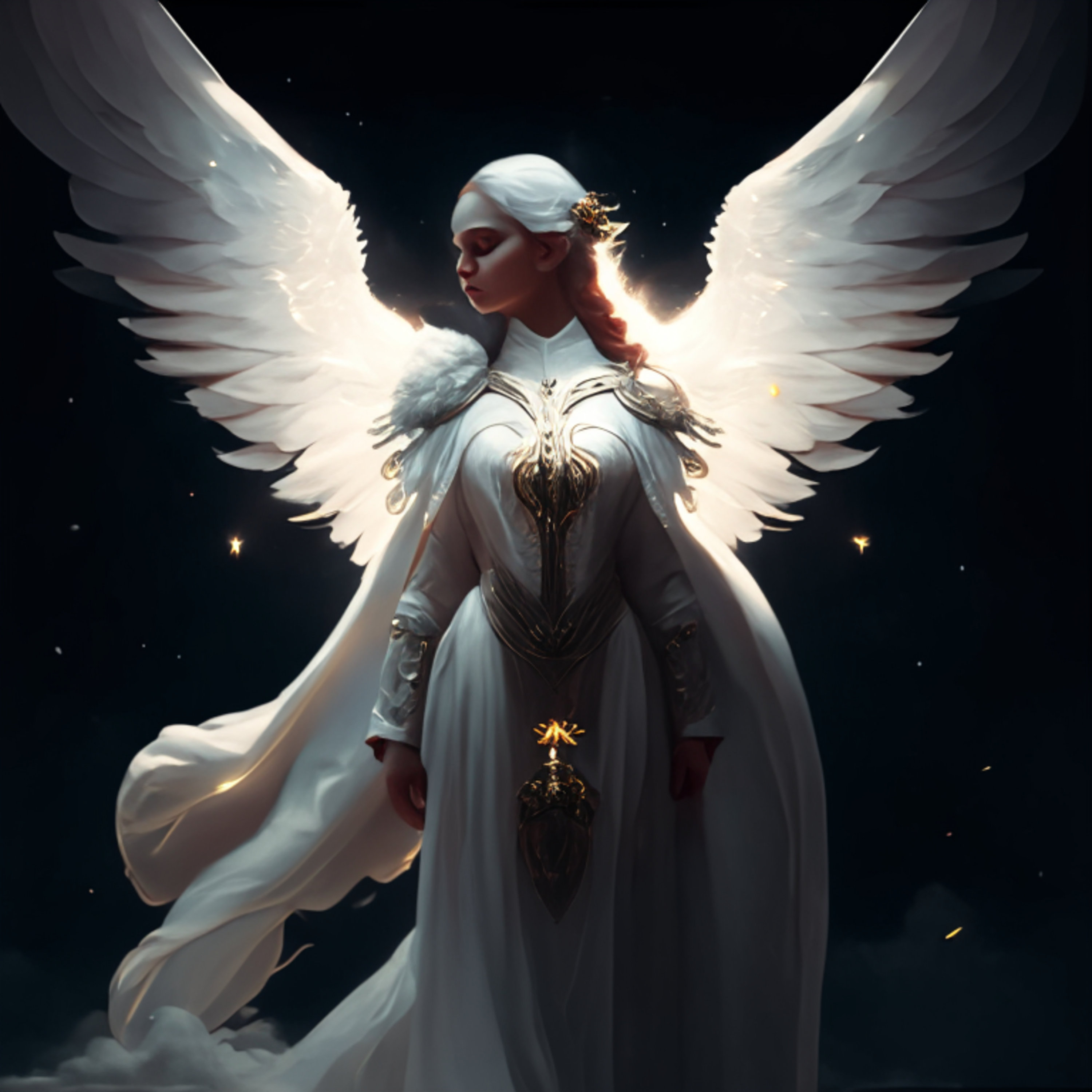
An angel vs demon tattoo captures the timeless clash between light and darkness, morality and temptation, and order and chaos. When you choose this ink, you aren't just picking a striking visual style; you're etching a deeply personal statement about human nature onto your skin.
People get these tattoos to map out their internal moral compass, remember past mistakes, or celebrate personal growth after surviving difficult life chapters. The imagery speaks directly to the dualities we navigate every single day, blending artistic tradition with psychological weight.
Core Symbolism of Angel and Demon Tattoos
At its core, the angel and demon motif represents the perpetual tug-of-war inside the human psyche. You don't have to look far to find this dichotomy in literature, philosophy, or religion. Tattoo art brings these abstract concepts into sharp physical focus.
- Angels: Typically symbolize protection, guidance, purity, resilience, and higher consciousness. A guardian angel might represent a lost loved one watching over you, or your own capacity for grace and mercy.
- Demons: Represent temptation, rebellion, shadow work, suppressed desires, and human flaws. They aren't always meant to signify pure evil; instead, they often embody the destructive habits or inner demons we fight to overcome.
- The Clash: When inked together in combat or tense balance, they portray the daily struggle to make righteous choices when it's easier to give in to impulse.
Popular Angel vs Demon Tattoo Design Styles
Choosing the right design style changes how your tattoo communicates its meaning. Different artistic movements treat the theme with varying levels of drama and subtlety.
Traditional Black and Grey Realism
Black and grey realism treats the figures with high contrast, deep shadows, and sculptural detail. Think of classic marble statues rendered in ink. This style highlights the physical texture of feathered wings against leather-scaled wings, making the confrontation look cinematic and grounded.
Neo-Traditional and Illustrative Work
Neo-traditional designs use bold outlines, dramatic color palettes, and expressive faces. This style leans into storytelling. An angel might feature warm golden hues while the demon glows in electric blues or fiery crimsons, creating an immediate visual tension on the forearm, chest, or back.
Minimalist Line Work
If you prefer subtlety, minimalist line work reduces the concept to its bare essentials. A single continuous line might form half-angel wings and half-demon horns, or a simple silhouette split down the middle. This approach focuses entirely on conceptual symmetry rather than intricate gore or angelic plumage.
Placement Ideas for Maximum Impact
Your body's anatomy can enhance the narrative of your piece. Strategic placement turns a static drawing into an active story.
- The Back: The back provides a massive canvas for a sprawling battle scene. Many people place the archangel Michael defeating a demon across the shoulder blades, using the spine as a natural dividing line between light and shadow.
- Forearms and Wrists: Forearms work well for split designs or mirror images. A tattoo on the inner left wrist might show a subtle halo, while the right wrist shows a subtle pitchfork or flame motif, representing daily choices.
- Chest and Ribcage: Positioning the design over your heart emphasizes emotional weight. It signals that the internal conflict hits close to home and matters deeply to your identity.
Common Mistakes to Avoid
Getting a complex narrative piece like this requires careful planning. Watch out for these pitfalls before you sit in the chair.
- Overcrowding the Canvas: Putting too many elements into a small space creates an unreadable blob of ink after a few years. Let your artist scale the piece properly.
- Ignoring Flow: Anatomy moves. A rigid tattoo placed across a joint like the elbow or knee will distort every time you bend your arm or leg. Work with your artist to follow your muscle groups.
- Skimping on Contrast: If both figures use the exact same shading weight, the piece loses its narrative punch. You need clear visual separation between the light and dark elements.
Frequently Asked Questions
Do angel and demon tattoos have religious meanings?
While they draw inspiration from religious iconography, most people wear them as secular symbols of psychological balance, personal struggle, and emotional maturity rather than strict religious dogma.
What is the best body placement for a large battle scene?
The full back or the entire chest and stomach area offer the best muscle structure and width to detail a complex, multi-figure battle without losing clarity.
How do I choose between a fierce demon and a passive one?
Think about what the demon represents to you. If it symbolizes overcoming an addiction or past trauma, a defeated or chained demon makes sense. If it represents your wild side or stubborn independence, an aggressive stance fits better.
Will black and grey or color work better for this theme?
Black and grey ages gracefully and emphasizes dramatic chiaroscuro lighting, whereas color allows you to use warm versus cool tones to instantly separate the angelic forces from the demonic ones.


