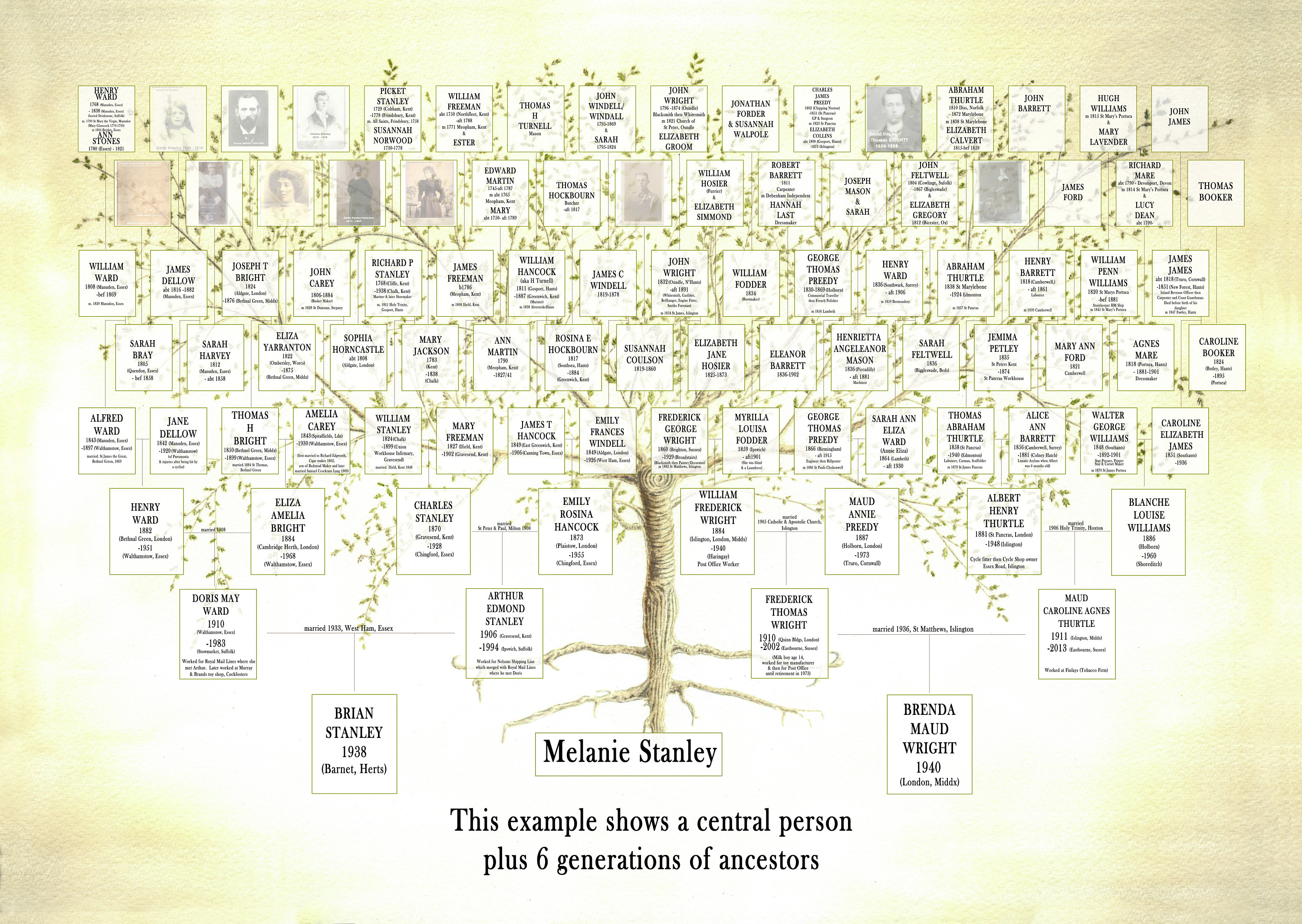
Deciding if an ancestry membership is worth the monthly or annual fee comes down to how deeply you want to trace your family history and whether your budget matches the platform's recurring pricing model. Subscriptions range from basic domestic record access to global databases that cost hundreds of dollars a year. If you're staring down a blank family tree or stuck on a brick wall, paying for structured access can save you dozens of hours of manual archive hunting. Yet, if you only plan to dabble casually or your ancestors hail from regions with sparse digital recordkeeping, you'll likely find that free tools and public archives offer better value.
To figure out where your research falls, you need to weigh the exact features locked behind paywalls against what you can accomplish for free. Let's break down the real costs, the core database advantages, and the alternative routes you can take before entering your credit card details.
Understanding Ancestry Membership Tiers and Real Costs
Ancestry operates on a tiered subscription model that scales based on geographical reach and partner database integration. Understanding what each tier actually unlocks helps prevent accidental overspending on records you'll never touch.
U.S. and Country-Specific Discovery Plans
The entry-level paid tiers, such as U.S. Discovery, focus entirely on domestic records. You get access to federal censuses, state vital statistics, military service registries, and immigration logs within that specific country. Prices typically hover around twenty-five dollars per month if billed monthly, though introductory rates and six-month commitments lower the average monthly burden. Additional information into this topic are explored by Associated Press.
World Explorer and International Reach
If your family tree crosses oceans, the World Explorer tier becomes necessary. This plan opens up international church registries, European census data, passenger manifests, and localized border crossings. Pricing jumps closer to forty dollars a month or more at standard renewal rates. For researchers focused heavily on British, Irish, or Scandinavian heritage, this tier provides the bulk of usable documents.
All Access Bundles
The highest tier bundles Ancestry with specialized partner sites like Newspapers.com and Fold3 (military records). Costing roughly sixty dollars a month at full retail price, this package targets advanced genealogists and professional historians who rely on historical obituaries, small-town press mentions, and deep military pensions to flesh out biographical narratives.
What You Can Do Without Paying a Cent
You don't actually need a paid subscription to start building a basic family tree. Ancestry allows free account holders to construct trees, upload photos, and view select public user trees.
- Building Trees: You can manually input generations, attach source citations you find elsewhere, and organize names without paying a subscription fee.
- Free Index Searches: The search engine will often show you index previews, letting you know if a matching record exists in their database.
- Community Trees: Viewing other public member trees is free, though you must exercise caution, as user-submitted trees frequently contain unverified guesswork or copied errors.
The catch with a free account is that clicking on actual record images or reading full transcriptions triggers a paywall prompt. You can see that a 1920 census record exists for your great-grandfather, but viewing the household members and the original scanned manuscript requires an active membership.
The Hidden Drawbacks of the Subscription Model
Before committing to a long-term contract, it's wise to look at how the service functions over time.
Unlike purchasing physical books or downloading permanent PDF copies to your hard drive, an ancestry membership grants you rental access. The moment you cancel your subscription, your access to billions of indexed records disappears instantly. While your family tree remains intact on your free account, you can no longer view attached source documents or check new record hints.
Auto-renewal traps are another common friction point. Introductory discounts often revert to steep standard rates automatically, catching users off guard on their credit card statements. Savvy researchers often set calendar reminders to cancel right before a promotional period ends, buying subscriptions only during winter research months or holiday sales.
Smart Alternatives to Direct Subscriptions
If the cost feels steep, you have several practical workarounds to access the exact same data without breaking your budget.
Public Library Access
Many municipal and university libraries offer free onsite access to Ancestry Library Edition. While this version usually lacks private tree-building capabilities (meaning you have to save records to a flash drive or print them out rather than linking them directly to an online tree), it provides full database searching for zero personal cost. Check your local library system's website to see if they offer remote access or require an in-person terminal visit.
Free Government and Global Archives
Sites like FamilySearch operate entirely for free, backed by the genealogical library of The Church of Jesus Christ of Latter-day Saints. They hold massive digital repositories of global vital records that overlap significantly with Ancestry's collections. Similarly, national archives, such as the National Archives for U.S. federal records, offer direct access to census data and military files without a paywall.
Frequently Asked Questions
Can I keep my family tree if I cancel my subscription?
Yes. Your family tree data, uploaded photos, and text notes remain safely stored on your free account. However, you will lose access to paid record images, and hints pointing to locked documents will become inactive.
Is an AncestryDNA test kit enough without a subscription?
Buying a DNA kit gives you your ethnicity estimate and a list of genetic matches. However, to message your matches, view shared family lines via ThruLines, or filter matches by specific ancestral surnames, you either need a membership or a dedicated DNA-add-on plan.
How can I get discounts on an Ancestry subscription?
Ancestry frequently drops prices during major holidays, such as Father's Day, Mother's Day, Thanksgiving, and New Year. Signing up for a multi-month package during these promotional windows typically yields the lowest per-month rate.
Are public family trees on Ancestry reliable?
Treat public trees as clues rather than gospel truth. Many users copy unverified data from one another, compounding historical errors. Always demand primary source documentation—such as birth certificates or census enumeration sheets—before accepting a relative into your direct line.



