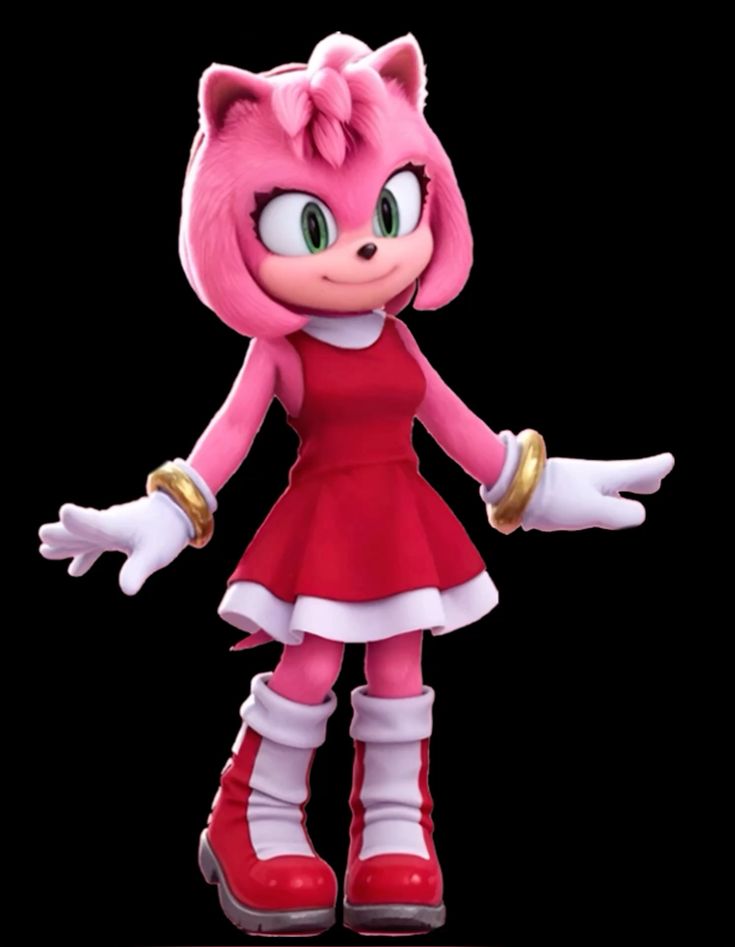
Character artwork has evolved from simple pixel sprites into a sophisticated medium that shapes modern media. Amy Rose art stands out as a prime example of this transition, bridging classic video game heritage with cinematic visual storytelling. Fans and creators alike look at how this iconic pink hedgehog has transitioned from early platformer designs into fully realized, cinematic concepts that reflect emotional depth and modern artistic execution.
The modern appreciation for Amy Rose extends far beyond standard gaming sprites. Artists utilize dynamic lighting, detailed texturing, and narrative framing to position her within cinematic landscapes that rival major animated feature films. This shift changes how audiences perceive video game iconography, moving from basic character illustration to immersive visual art.
The Evolution of Amy Rose Character Design
The visual journey of Amy Rose began in Sonic CD with a classic, retro aesthetic defined by simple shapes and bright primary colors. Over decades, Sega refined her design—most notably in Sonic Adventure and later modern iterations—giving her taller proportions, a distinct outfit, and a more expressive face.
Digital creators and concept artists build upon these official blueprints by introducing cinematic realism. Instead of flat shading, modern illustration styles incorporate:
- Subsurface scattering on quills and skin to mimic organic textures.
- Dynamic clothing folds that react naturally to movement and wind.
- Atmospheric lighting setups that emphasize mood, tension, and narrative weight.
This stylistic progression allows fans to see familiar characters in high-stakes environments. When artists blend these elements with orchestral or electronic soundscapes—often referred to as sonic worlds—the artwork captures both the kinetic energy of speed and the emotional nuance of storytelling.
Translating Sound Into Visual Composition
Art and music share a deep psychological connection, particularly within the Sonic the Hedgehog franchise. Fast-paced level themes and sweeping melodic motifs dictate the rhythm of visual creation. When artists design cinematic pieces featuring Amy Rose, the composition often mirrors the tempo of her signature tracks.
For instance, an artwork inspired by an upbeat, energetic stage utilizes diagonal lines, blurred motion cues, and high-contrast color grading. Conversely, a reflective piece inspired by ambient character themes employs soft gradients, muted cool tones, and centered focal points to convey introspection. This translation of audio frequency into visual rhythm is what defines true multimedia art.
Technical Techniques in Cinematic Fan Art
Creating professional-grade character art requires moving beyond basic illustration tools into advanced digital pipelines. Modern creators rely on specific techniques to achieve a cinematic look:
- Value Staging: Establishing strong light and shadow values before introducing color ensures the piece reads clearly from a distance.
- Camera Lens Simulation: Applying digital focal lengths (such as 35mm or 85mm equivalents) mimics real-world cinematography, creating natural depth of field.
- Texture Layering: Incorporating subtle film grain, dust motes, and lens flares grounds stylized characters into believable environments.
Avoid common pitfalls like oversaturating every element or ignoring silhouette legibility. Even in a chaotic cinematic scene, the primary character's silhouette must remain instantly recognizable.
Frequently Asked Questions
What defines cinematic character art?
Cinematic character art focuses on narrative lighting, environmental integration, and emotional storytelling rather than simple character presentation against a plain background.
How has Amy Rose's visual style changed over time?
Her design shifted from a classic 1990s sprite-based look with a green headband and red dress to a streamlined modern athletic outfit with red boots, accompanied by more expressive facial rigging in 3D and 2D media.
Why do artists pair video game characters with sonic themes?
Music sets the emotional tone and pacing of an artwork. Pairing visual design with specific musical eras of a franchise helps creators capture nostalgia and energy simultaneously.



