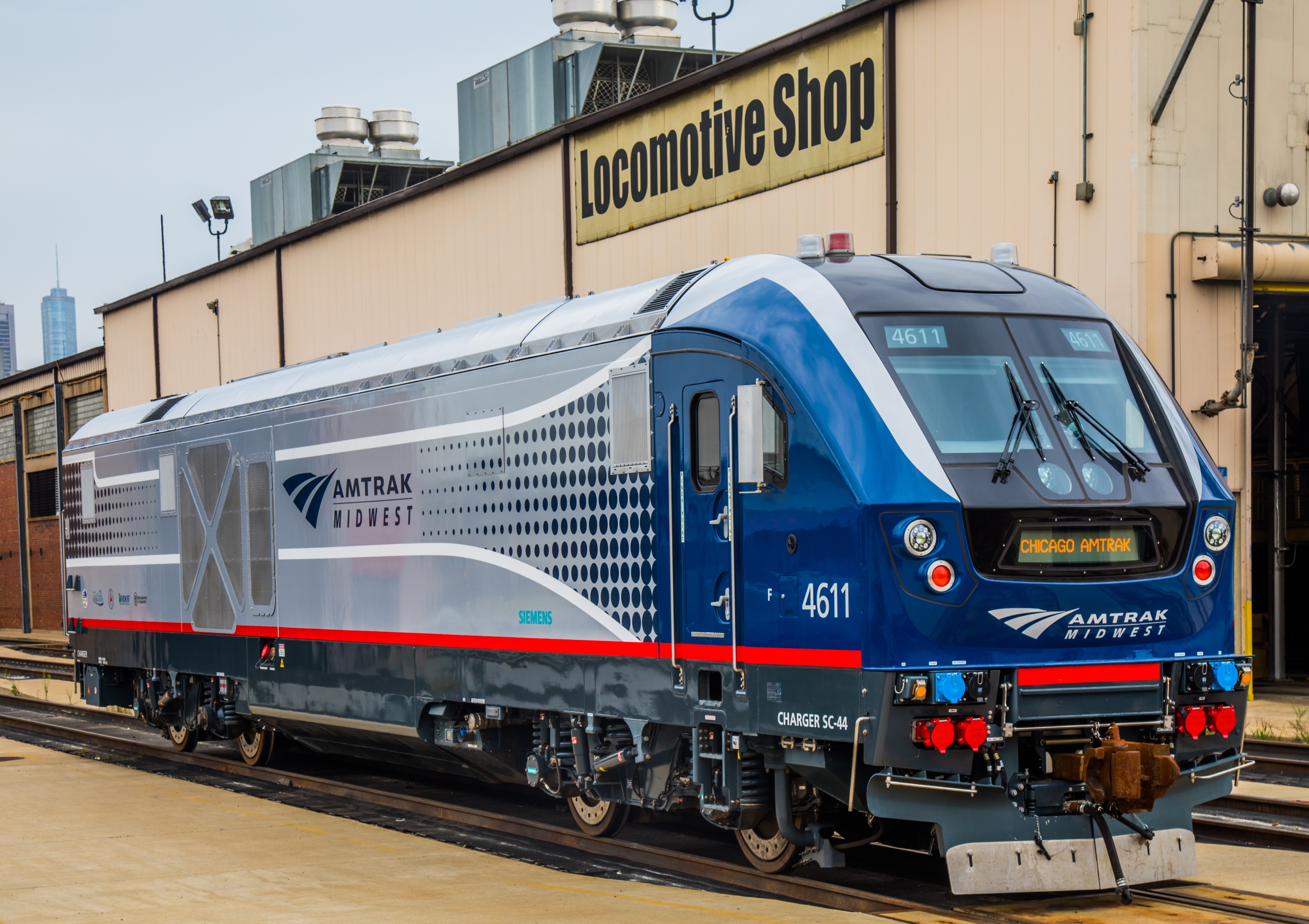
Choosing between Amtrak and Greyhound shapes the entire tone of an American journey. If you need to cross state lines without stepping foot in an airport, these two nationwide networks stand as the primary legacy options. They serve entirely different types of travelers, operate on separate infrastructure, and offer contrasting levels of comfort, speed, and cost.
Amtrak relies on the national rail system, offering spacious cars, scenic routes, and relative freedom of movement. Greyhound utilizes the interstate highway network via motorcoaches, prioritizing extensive geographic coverage and budget-friendly pricing for shorter hops. Picking the right service depends on trip length, tolerance for highway traffic versus rail delays, and your personal comfort priorities.
Core Differences in Infrastructure and Reach
The fundamental divergence between the two services stems from what drives them forward: steel rails or rubber tires. Amtrak operates passenger trains over tracks that are frequently owned by freight rail corporations. This dynamic introduces scheduling unpredictability, as freight trains often take priority on the lines, leading to potential delays. However, rail corridors in the Northeast and select state-supported regions run with greater autonomy and frequency.
Greyhound operates buses that share the open road with cars and semi-trucks. While this frees them from rail congestion, it exposes coaches to highway gridlock, accidents, and severe weather bottlenecks. In terms of sheer coverage, Greyhound wins on rural footprint. It reaches thousands of small towns and municipalities that haven't seen passenger rail service in generations. Amtrak concentrates its hubs in major metropolitan corridors, relying on connecting Thruway Motorcoach buses to bridge the gaps in its rail map.
Comfort, Legroom, and On-Board Amenities
If physical space ranks high on your priority list, Amtrak holds a massive advantage. Coach seats on an Amtrak train rival domestic first-class airline seats, offering deep recline angles, massive legroom, and fold-down tray tables. You aren't bolted to your seat for hours; passengers can stand up, walk through multiple cars, stretch their legs, and visit the cafe car for snacks and hot drinks. Long-distance Amtrak routes even feature observation cars with floor-to-ceiling windows and private sleeper roomettes.
Greyhound buses are tighter quarters. Seating dimensions mirror charter buses, with limited recline and tighter pitch. You're confined to your row for the duration of the leg, save for scheduled rest stops at roadside terminals or stations. Modern buses include Wi-Fi and power outlets at seats, but connectivity can drop out in remote rural corridors. Restrooms on buses are cramped and functional only in a pinch, whereas train bathrooms offer significantly more room to move.
Pricing Structures and Booking Realities
Cost often dictates the final verdict, but the pricing math isn't always straightforward. Greyhound typically positions itself as the more affordable option for spontaneous or budget-driven travel, especially on regional hops under 300 miles. Tickets can be booked cheaply at the last minute compared to rail fares.
Amtrak pricing works similarly to airline ticketing. Fares start low if you book weeks or months in advance, but prices spike sharply as departure day approaches or as specific trains fill up. For long-distance journeys, adding a sleeper roomette scales the price into hotel territory, though those fares bundle onboard meals into the cost. When comparing costs, factor in hidden expenses like station parking or transit fares to reach outlying bus stops versus downtown rail terminals.
Stations, Safety, and the Passenger Experience
Where you wait for your vehicle changes the pre-trip experience entirely. Major Amtrak hubs, such as New York's Moynihan Train Hall or Chicago Union Station, function as grand civic spaces with lounges, food vendors, and ticketing desks. Smaller stops might just be a platform with a shelter, but they offer distinct designated locations.
Greyhound has transitioned away from traditional standalone downtown terminals in many cities, shifting instead to curbside pickups, shared intermodal transport centers, or partnerships with local businesses. This shift can make boarding confusing for first-time riders.
Passenger atmosphere varies as well. Amtrak trains draw a mixed crowd of commuters, students, tourists, and remote workers utilizing the Wi-Fi, creating a generally relaxed environment. Greyhound carries a reputation for being rougher around the edges, frequently catering to passengers with fewer transit alternatives. While most trips pass without incident, unexpected delays at desolate stops late at night can test your patience.
Check current timetables and safety policies directly through the official Amtrak portal or Greyhound site before finalizing your itinerary.
Frequently Asked Questions
Which is faster for cross-country travel?
Neither service excels at pure speed for cross-country routes, as both take days to span the continent. However, Greyhound buses often maintain a more consistent schedule on highways than long-distance trains caught behind freight traffic delays. If time is absolute, flying remains the practical choice over both.
Do I need to print my tickets ahead of time?
Both providers support digital ticketing via smartphone apps or email barcodes. You can scan your phone directly at the train gate or when stepping onto the bus, though carrying a printed backup copy prevents issues if your phone battery dies mid-journey.
Can I bring my pet on board?
Amtrak permits small dogs and cats on select trips lasting up to seven hours for an additional fee, provided they fit in an approved carrier. Greyhound generally restricts animals unless they are recognized service animals trained to assist passengers with disabilities.
What happens if my connection is missed?
Amtrak guarantees connections on its scheduled through-tickets, meaning if a delayed train causes you to miss your transfer, staff will put you on the next available train or provide alternate lodging/transport. On bus lines, missed connections due to severe highway traffic can lead to longer waits at transfer stations depending on daily route frequencies.


