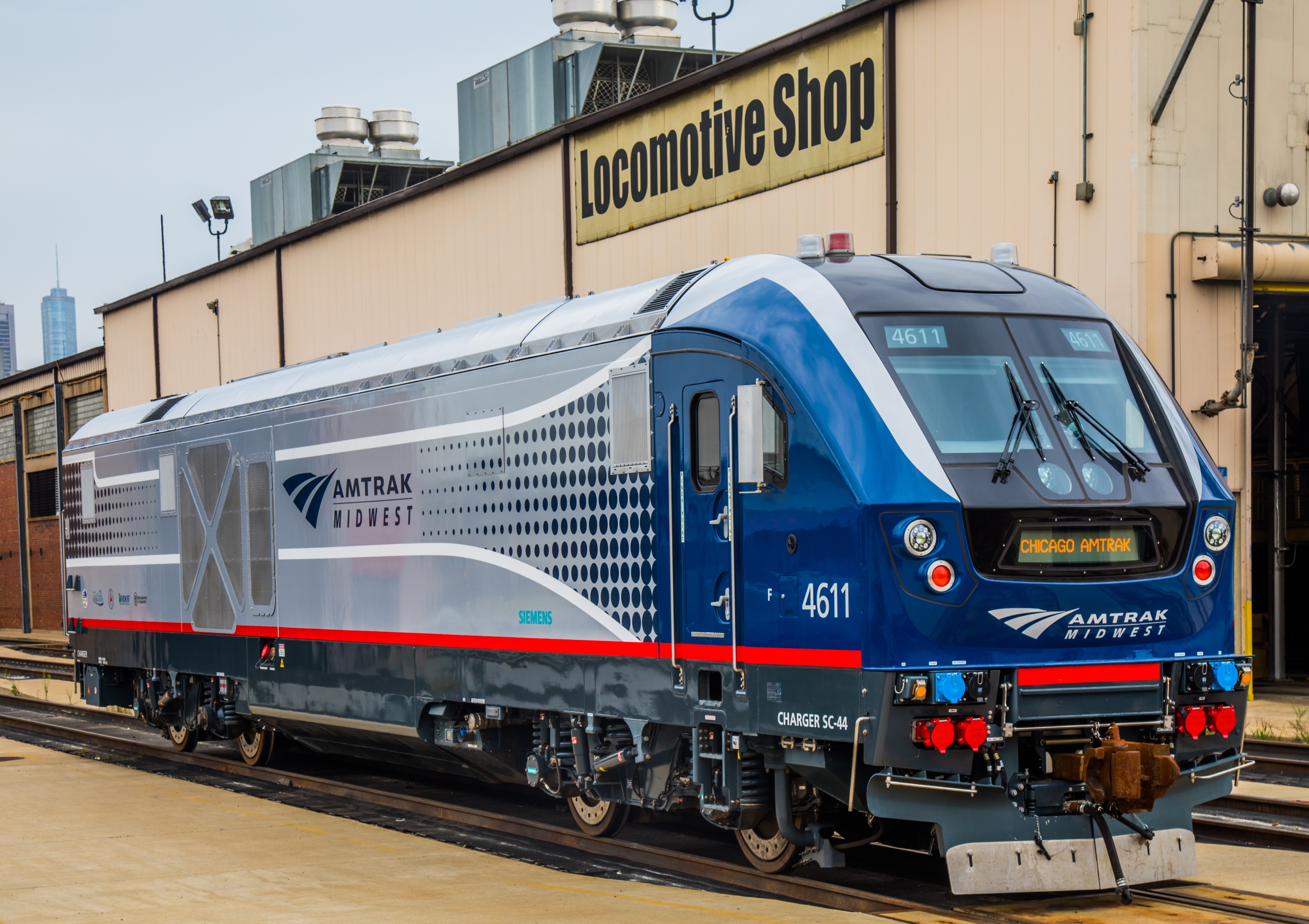
Traveling by train from Virginia to Florida replaces cramped highway driving with a relaxed journey down the East Coast. Whether you want to pack your own vehicle in the luggage carrier or watch southern pine forests shift into coastal palm trees from a roomette, the rail network provides a direct path south. Two main options serve this corridor: the non-stop Auto Train running from Lorton, Virginia, and the traditional Silver Service routes making scheduled passenger stops across historical towns.
Choosing the right option depends on whether you need a car at your destination or prefer a scenic ride through the heart of the South. This guide breaks down the routes, onboard life, pricing realities, and practical strategies to make your rail journey smooth.
The Two Main Routes from Virginia to Florida
Amtrak operates distinct pathways from Virginia into the Sunshine State, and they cater to very different travel styles.
The Auto Train: Lorton to Sanford
If you want to skip I-95 entirely, the Auto Train is your primary choice. It runs a non-stop 17-hour journey between Lorton, Virginia (just south of Washington, D.C.) and Sanford, Florida (just north of Orlando).
- The Process: You drive your car, van, SUV, or motorcycle to the Lorton terminal, load it onto specialized enclosed rail carriers, and board passenger cars for an overnight trip.
- The Benefit: You keep your vehicle upon arrival without driving a single mile of interstate highway.
The Silver Meteor and Silver Star: Traditional Corridor Service
For a classic passenger rail experience with stations in historic towns, the Silver Meteor and Silver Star routes provide daily service southward. These trains pick up passengers at major Virginia hubs including Alexandria, Fredericksburg, Richmond, and Petersburg.
- The Route: They track south through North Carolina, South Carolina, and Georgia before crossing into Jacksonville and branching across Florida.
- The Distinction: The Silver Meteor takes a faster, more direct coastal path toward Miami, while the Silver Star loops through Tampa and Lakeland before heading south.
What to Expect Onboard
Long-distance train travel operates at a different rhythm than flying or driving. Understanding the living arrangements helps you pack and prepare effectively.
Seating and Private Rooms
Coach seats on these routes feature deep recline angles, leg rests, and generous legroom compared to commercial airlines. They work well for budget-conscious travelers who bring a travel pillow, eye mask, and layers for the air conditioning.
If you prefer privacy and a horizontal surface for sleeping, you can book a roomette or a bedroom. Roomettes feature two bunks facing each other that convert into seats by day, while bedrooms offer more floor space, a private in-room toilet, and a shower. First-class private room bookings on the Silver Meteor and Auto Train include complimentary meals.
Dining and Amenities
Traditional dining cars serve hot meals for breakfast, lunch, and dinner, featuring table service and seasonal menus. Alternatively, the lounge or cafe car remains open for snacks, sandwiches, and beverages throughout the journey.
Cell phone service drops out periodically in rural stretches of Virginia and the Carolinas, and onboard Wi-Fi can be patchy. Downloading offline entertainment, books, or movies before departure keeps downtime pleasant.
Scenic Highlights Along the Way
While much of the overnight portion occurs in the dark, daylight hours reveal striking regional geography.
- Northern Virginia and Maryland Borders: Early in the trip on traditional routes, you catch sweeping views of tidal rivers, marshes, and historic rail infrastructure near the Potomac.
- The Carolinas Lowcountry: Morning light reveals moss-draped live oaks, expansive wetlands, and historic agricultural towns that define the American Southeast.
- The Florida Approach: Crossing the St. Johns River into Jacksonville brings your first sight of sub-tropical foliage, citrus groves, and classic Florida palms.
To check schedule updates and official route maps, visit the Amtrak Official Site. For broader context on regional corridor planning, consult the Federal Railroad Administration.
Common Mistakes to Avoid
Travelers new to long-distance train travel often run into a few predictable pitfalls. You can save time and money by sidestepping these errors:
- Booking too late for peak seasons: Winter snowbird migration (January through March) and holiday weekends cause sleeper cars and vehicle slots on the Auto Train to sell out months in advance.
- Failing to pack a day bag: Once you board, large luggage goes into lower-level storage or stays in your vehicle on the Auto Train. Always pack a smaller bag with medications, chargers, toiletries, and comfortable clothes for the trip.
- Ignoring schedule buffers: Freight rail traffic on host tracks can occasionally cause delays. Don't schedule tight same-day connections for flights or major events immediately upon arrival.
Frequently Asked Questions
How long is the train ride from Virginia to Florida?
The non-stop Auto Train takes approximately 17 hours from Lorton to Sanford. Traditional routes like the Silver Meteor take roughly 14 hours from northern Virginia to Jacksonville and around 23 hours to reach Miami.
Can I bring my pet on the train to Florida?
Amtrak permits small dogs and cats on select trips up to a certain weight limit, including pet reservations and carrier requirements. Review specific guidelines ahead of time because slots per train are strictly limited.
Is food included in the ticket price?
Meals are included automatically if you book a private sleeper roomette or bedroom. Coach passengers must purchase their meals separately at the cafe car or bring their own food onboard.
Which station should I use if I am visiting Orlando?
If you take the Auto Train, you arrive directly in Sanford, just north of Orlando. If you take the Silver Service, you can exit at the Orlando station or the Kissimmee station, which is often preferred by travelers visiting Disney properties to avoid navigating downtown traffic.


