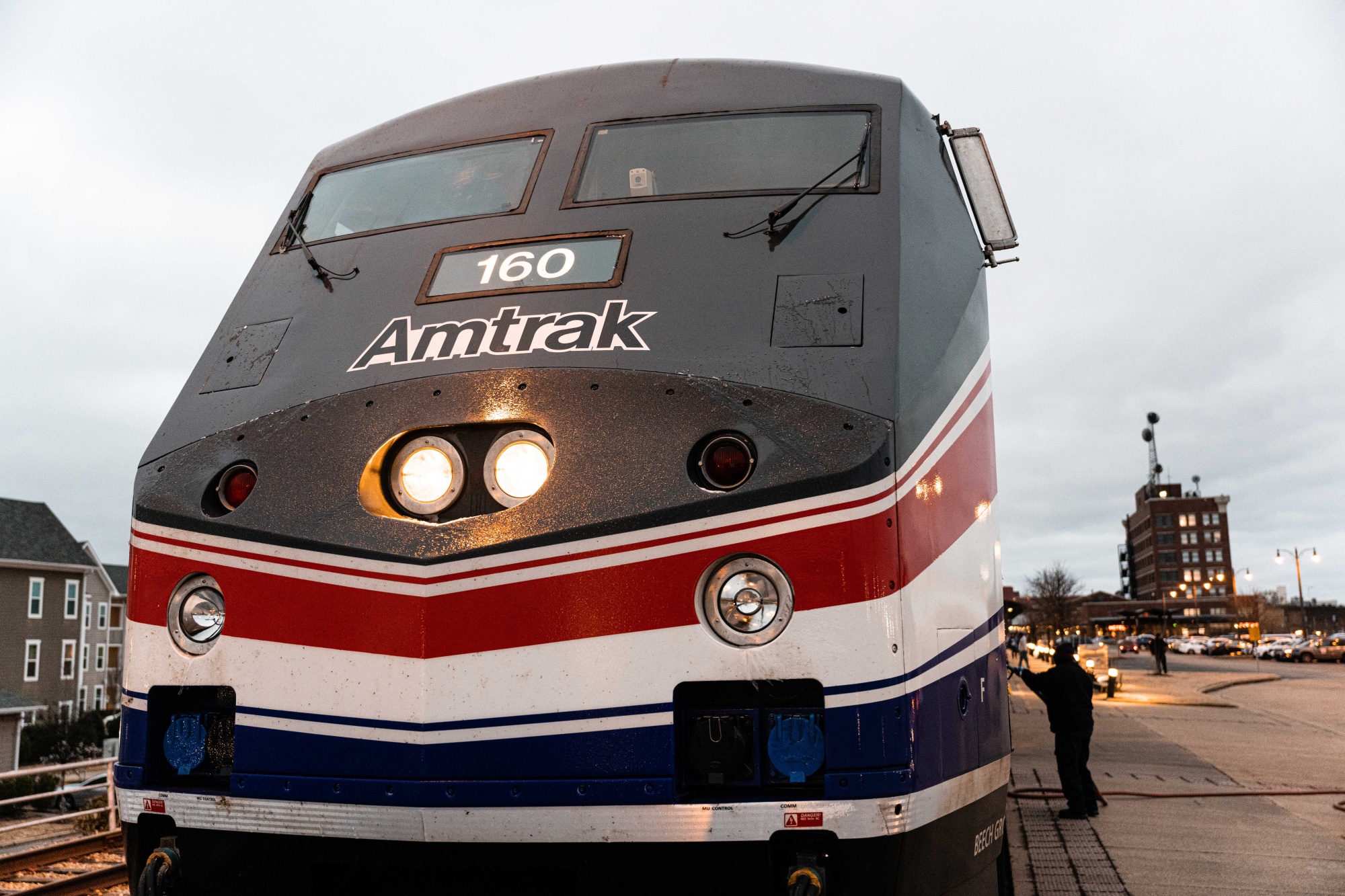
Navigating American passenger rail requires looking past a tangled mess of historic trackage and federal funding proposals. Amtrak operates over thirty distinct train routes across more than five hundred destinations, stretching from the windswept plains of Montana to the dense concrete canyons of the Northeast Corridor. If you're trying to figure out how these lines connect, how long they actually take, and why the national grid looks the way it does, you need a clear breakdown of the system layout.
The core of the network splits into two completely different beasts: state-supported regional corridors and federally funded long-distance routes. Regional lines act like high-frequency commuter arteries, while long-distance trains function as rolling land cruises that cross half the continent on single schedules. Understanding how these pieces fit together changes how you plan a trip, whether you're trying to commute between Boston and Washington or cross the Rockies in a sleeper car.
The Structural Divide: Northeast Corridor Versus the Rest
To make sense of Amtrak's map, you have to separate the high-revenue Northeast Corridor from the rest of the country. On the stretch running between Boston, New York, Philadelphia, and Washington, trains run every few minutes. Passenger volumes rival major international rail networks, and ticket revenues heavily subsidize the rest of the system.
Outside this coastal corridor, the operational reality changes drastically. Most tracks across the United States are owned not by Amtrak, but by private freight rail companies like BNSF, Union Pacific, Norfolk Southern, and CSX. Because freight companies own the rails, Amtrak trains must legally share the tracks, leading to severe delays when freight traffic backs up. Federal law grants passenger trains priority, but enforcement remains a constant battle.
When you look at the Amtrak Routes and Destinations, you are looking at a system divided into three main operational buckets:
- The Northeast Corridor: High-density, electrified, high-frequency passenger rail connecting major eastern hubs.
- State-Supported Routes: Shorter corridors funded heavily by individual states—such as California, Michigan, and Illinois—providing vital regional connections.
- Long-Distance Trains: Iconic overnight journeys spanning thousands of miles, operating once daily in each direction.
Mapping the Long-Distance Heavyweights
Long-distance trains capture the public imagination, even though they represent a smaller fraction of total ridership. These routes preserve passenger rail access for rural communities and towns that lack commercial air service.
Take the Empire Builder, which departs Chicago daily and splits in Montana to send cars toward Seattle and Portland. Passengers spend two nights crossing the Cascade Mountains, the Rocky Mountains, and the plains of North Dakota. It's an incredible engineering and travel experience, but it's fundamentally different from catching a regional commuter train.
Similarly, the Coast Starlight links Seattle with Los Angeles, hugging the Pacific coastline and offering views of Mount Shasta and the San Francisco Bay Area that you simply cannot get from an interstate highway. On the southern tier, the Sunset Limited and the Texas Eagle stitch together Orlando, New Orleans, San Antonio, and Los Angeles.
Scheduling these behemoths requires patience. Because they travel thousands of miles over freight-owned tracks, delays can stretch from minutes to hours. If you book a long-distance roomette or bedroom, you aren't just buying transportation; you're buying a moving hotel room where meals in the dining car are included in sleeper fares.
State-Supported Corridors: The Workhorses of Modern Rail
While long-distance trains get the media attention, state-supported corridors drive modern passenger growth. States recognize that investing in rail cuts highway congestion and connects mid-sized cities.
California leads this charge with corridors like the Pacific Surfliner running from San Diego up through Los Angeles to San Luis Obispo, and the San Joaquins cutting through the Central Valley. These routes feature multiple daily departures, modern bi-level cars, and reliable scheduling compared to their cross-country counterparts.
In the Midwest, hubs centered around Chicago—such as the Blue Water or Lincoln Service—let travelers hop between regional economic centers without dealing with airport security lines. The Federal Railroad Administration continuously works with state departments of transportation to expand these corridors, mapping out potential new routes that could connect cities like Scranton, Pennsylvania, or Baton Rouge, Louisiana, to the existing grid.
Common Mistakes When Planning an Amtrak Trip
Travelers new to passenger rail often make critical mistakes that turn a scenic journey into a logistical headache. Avoiding these pitfalls keeps your trip on track.
- Ignoring Freight Interference: Never schedule a tight connection to an airplane, a cruise ship, or a ticketed event on the same day you arrive on a long-distance Amtrak train. Always build a buffer of at least six to twelve hours.
- Packing the Wrong Gear: Unlike airlines, Amtrak allows generous luggage allowances, but you have to carry your own bags onto the train and store them in overhead racks or lower-level storage areas. Pack a separate small bag for your seat with chargers, layers, and snacks.
- Misunderstanding Seating Classes: Coach seats on Amtrak offer massive legroom and recline deeply—far better than airplanes. However, they do not turn into beds. If you want privacy and horizontal sleeping space, you must book a roomette or bedroom.
- Skipping Station Logistics: Many historic stations are located in downtown areas, but some suburban or rural stops are little more than a wooden platform. Check the exact station layout ahead of time so you know whether parking, rental cars, or public transit are available.
Frequently Asked Questions
Does Amtrak own the tracks it runs on?
No. Amtrak owns its tracks only along the Northeast Corridor between Boston and Washington, D.C., plus a few short segments elsewhere. Across the rest of the country, Amtrak operates on tracks owned by private freight railroads.
Are meals included when you buy a train ticket?
Meals in the dining car are included only for passengers who purchase sleeping accommodations (roomettes, bedrooms, or suites). Coach passengers can purchase food from the cafe car or bring their own food and drinks on board.
What is the most scenic Amtrak route?
Many travelers consider the California Zephyr—running between Chicago and San Francisco via Denver and Salt Lake City—to be the most scenic due to its passage through the heart of the Rocky Mountains and the Sierra Nevada.
How do I check if my train is running on time?
You can track real-time train status on the official Amtrak website or mobile app, which uses GPS transponders on every locomotive to provide accurate estimated arrival times.



