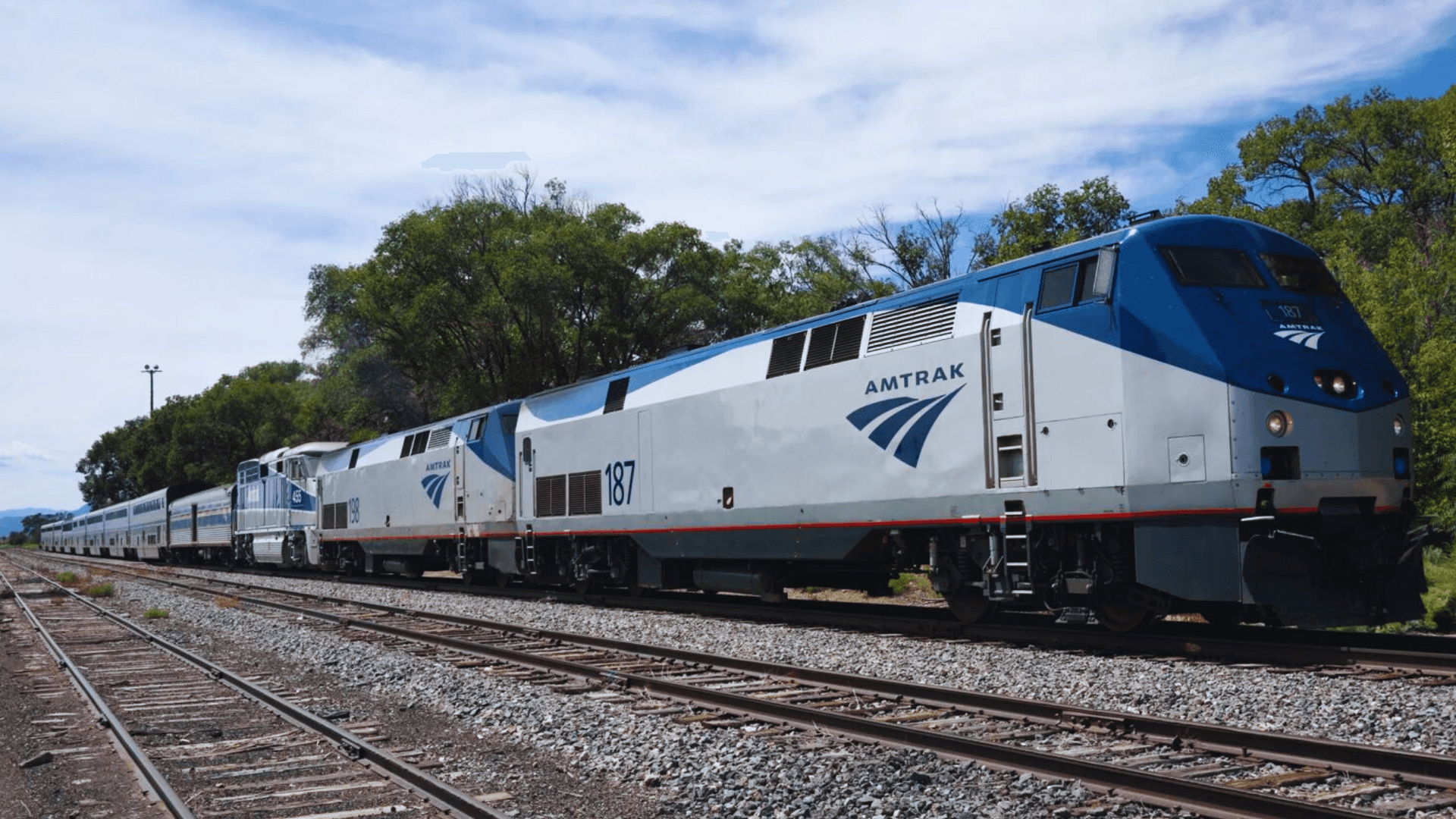
Navigating passenger train journeys requires understanding what happens before your wheels roll and after you pull into your destination. Mastering the pre-trip logistics and post-trip transition ensures your journey runs smoothly without unexpected delays.
Amtrak travel doesn't involve the intense security lines typical of commercial airports, but preparation still matters. Knowing how boarding windows operate, managing baggage rules, and coordinating local transit connections transforms a stressful commute into a smooth experience.
Pre-Rail Planning and Station Arrival
Getting ready for your journey starts days before you leave the house. Proper preparation prevents missed connections and scramble moments at the station platform.
Document Management and Ticketing
Keep your transit documents accessible on your phone or printed out. Download the official Amtrak application to track real-time train updates, pull up digital barcodes, and handle any last-minute reservation changes.
Arrival Timelines
Unlike commercial flights that demand hours of advance notice, train stations require less buffer time. Plan to arrive at least 30 minutes before your scheduled departure. If you are departing from a major hub like Chicago Union Station or New York Penn Station, or checking bags, give yourself 45 to 60 minutes to navigate the terminal.
Baggage Handling
Coach passengers can bring two personal items and two carry-on bags free of charge. If your route features checked baggage service, drop your larger items off at the counter at least 45 minutes prior to departure. Label every bag clearly with your contact information.
Boarding Mechanics
When your train approaches, station staff or automated audio announcements will direct you to the correct platform or track.
Queuing and Priority Access
Passengers needing extra assistance, families with small children, or sleeping car customers often receive pre-boarding privileges. Listen closely to the conductor's instructions on the platform. Coach seating is typically first-come, first-served, though conductors may direct you to specific cars based on your destination to streamline unloading later.
Settling In
Once onboard, stow your carry-on luggage overhead or in designated lower-level racks. Find your seat, settle in, and get comfortable. Conductors will walk through the cars shortly after departure to scan your tickets or check seat check slips.
Post-Rail Arrival and Destination Logistics
Pulling into your final stop brings its own set of logistical steps. Managing your exit efficiently prevents left-behind belongings and transit confusion.
Preparing to Disembark
Conductors usually announce upcoming stops 10 to 15 minutes before arrival. Gather your personal items, check the overhead racks for jackets or headphones, and head toward the car doors when the train comes to a complete stop. Smaller stations feature short platforms where only specific doors open, so pay attention to crew instructions.
Baggage Retrieval
If you checked bags, follow the signs to the station baggage claim area. Keep your claim check stub ready for the station agent. Wait times for checked bags typically range from 15 to 30 minutes after the train arrives.
Connecting Transit and Ground Travel
Research your ground transportation options before you arrive. Many major stations link directly to local subway systems, light rail networks, or bus loops. If you need a rideshare service or taxi, check whether the station features a dedicated pick-up zone to avoid confusion with private vehicles.
Common Mistakes to Avoid
- Cutting arrival times too close: Arriving five minutes before departure risks missing the train doors closing, especially at unstaffed platforms.
- Overpacking carry-ons: Bringing oversized bags makes navigating narrow train aisles and small overhead racks difficult.
- Ignoring service alerts: Failing to check the app for track changes or delays can leave you waiting on the wrong platform.
Frequently Asked Questions
Do I need to go through security screening before boarding Amtrak?
No intensive airport-style security checkpoints exist at most Amtrak stations. Random bag checks can occur, and metal detectors are present at select major stations, but the process is fast and straightforward.
What happens if my train is significantly delayed?
Amtrak posts real-time status updates on its website and mobile app. For long-distance routes experiencing major delays, station agents or onboard crews provide guidance regarding food vouchers or alternative routing options depending on the circumstances.
Can I bring food and drinks onto the train?
Yes, you're welcome to pack your own snacks and beverages, including alcohol in sleeping car accommodations. Many medium and long-distance trains also feature a Cafe Car or Dining Car where you can purchase hot meals, snacks, and drinks.
How do I handle transfers between trains?
When your itinerary includes a transfer, check your connection time. If Amtrak issues the entire journey on a single ticket, they accommodate you on a later service if the first train runs late. Always verify your connecting track number with station staff immediately upon arrival.



