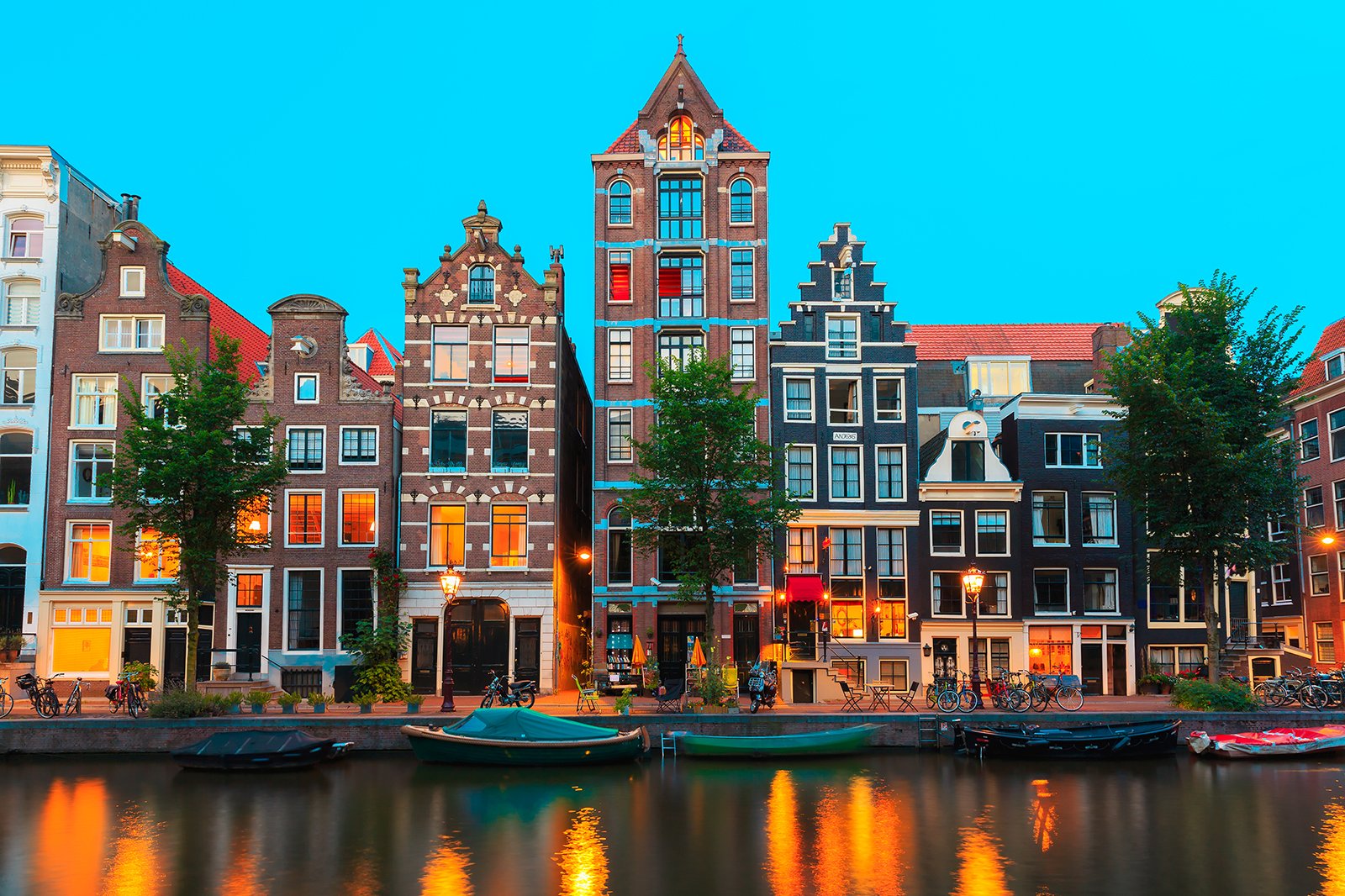
Planning a trip to the Netherlands during the early shoulder season means dealing with shifting conditions. Amsterdam weather in September delivers a distinct transition from summer warmth to crisp autumn air, making it one of the most popular months for travelers who want to dodge the heavy July crowds while still enjoying outdoor sightseeing. Daytime highs typically hover around 19°C (66°F), while nighttime lows dip to a cool 11°C (52°F). While you will encounter pleasant, sunlit afternoons—especially during the first half of the month—you should also prepare for brisk canal winds and passing rain showers.
Understanding how the climate shifts across these thirty days helps you pack the right layers and plan your daily itineraries without getting caught off guard by a sudden downpour. Whether you're booking an open-air canal cruise or renting a bike to navigate the Jordaan, knowing what to expect from the local atmosphere ensures your trip stays comfortable from morning until night.
Temperature Trends Across the Month
The character of the month changes noticeably between its opening days and its final week. Early September often retains the tail end of summer warmth, with afternoon temperatures occasionally climbing past 20°C (68°F). Locals sometimes refer to a warm, settled late-summer spell as a nazomer, which brings clear blue skies and calm conditions ideal for walking along the historic canals.
As the calendar moves toward October, daytime highs edge downward closer to 18°C (64°F), and the bite in the morning air becomes sharper. Nighttime temperatures drop steadily, requiring a proper jacket if you're staying out past sunset. Because the city is flat and webbed with open waterways, wind chill plays a major role in how warm or cold the air actually feels. A calm afternoon reading on a bench in Vondelpark can feel entirely different from crossing an exposed bridge over the Amstel River when a steady breeze picks up.
Rainfall Patterns And What They Mean For Your Trip
Many visitors worry that autumn in the Netherlands means weeks of continuous rain, but the reality is far more manageable. Amsterdam receives roughly 80 to 90 mm of precipitation spread across the month, typically distributed across 11 to 14 days where measurable rain occurs.
This means you aren't looking at a month-long washout. Instead, rain usually arrives in the form of fast-moving showers or brief passing squalls rather than all-day downpours. You can be sitting at an outdoor terrace enjoying a coffee, duck inside a boutique or café for twenty minutes while a cloud passes, and walk back out into sunshine. Checking local radar updates via KNMI (the Royal Netherlands Meteorological Institute) can help you time your outdoor museum visits or park walks around the drier windows of the day.
Daylight Hours And Sunshine
The rapid reduction in daylight is one of the most noticeable seasonal shifts during this period. On the first of the month, the city enjoys nearly thirteen and a half hours of daylight, with the sun rising around 7:00 AM and setting past 8:30 PM. By September 30, daylight shrinks to roughly eleven and a half hours, with sunset arriving much earlier near 7:00 PM.
Despite the shorter days, you still get plenty of usable sunshine—averaging around five to six hours of bright sun on a typical day, interspersed with patches of high cloud cover. This quality of light is famously gentle, casting long golden reflections over the 17th-century canal houses that photographers and artists have prized for centuries.
Practical Packing Strategy For September
Packing for a shoulder-season European trip requires a focus on versatility rather than bulk. Because indoor spaces like museums, restaurants, and trams are heated, you'll want clothes that can be easily peeled off or put back on as you move between environments.
- Layering basics: Pack breathable long-sleeve shirts, light sweaters, and cardigans that work well on their own during a mild afternoon.
- Outerwear: Bring a lightweight, windproof, and waterproof jacket. Avoid heavy winter parkas, which will leave you overheating during active walks.
- Footwear: Sturdy, broken-in walking shoes or ankle boots are essential. Cobblestone streets throughout the historic center become slick when wet, so smooth-soled fashion shoes will cause slips.
- Accessories: A compact travel umbrella is helpful, though a waterproof shell with a hood often performs better against gusty canal winds that can easily invert cheap umbrellas.
Cycling And Outdoor Safety In Changing Weather
Biking is the primary mode of transport for locals, and visitors often want to rent a bicycle to experience the city authentically. However, wet tram tracks and sudden gusts of wind present minor hazards during autumn.
When roads are slick from a morning drizzle, exercise extra caution when crossing metal tram rails at an angle. Always use hand signals when turning, keep your lights working if you're riding near dusk, and don't hesitate to lock up your bike and walk if a heavy squall rolls through unexpectedly. Exploring on foot with proper rain gear is often more relaxing than fighting a headwind on a bicycle during an autumn gust.
Frequently Asked Questions
Can I swim in the canals in September?
Swimming in the main canal ring is generally discouraged and restricted due to heavy boat traffic and water quality standards. However, locals frequently swim in designated urban swimming spots or nearby lakes like the Amsterdamse Bos during warm early-month afternoons, though water temperatures drop rapidly as the month progresses.
Are outdoor terraces still open in September?
Yes. Many cafes and bars keep their outdoor terraces open throughout the month, often supplementing them with outdoor heaters, woolen throws, and windbreaks. Sitting outside remains a favorite local pastime as long as the sun is out.
Do I need to book major attractions in advance?
While crowds thin out compared to July and August, world-class institutions like the Rijksmuseum and the Anne Frank House still sell out weeks ahead. Lower visitor numbers make it easier to secure tickets, but spontaneous walk-up entry is rarely guaranteed for top-tier sites.
How windy does it get in Amsterdam during this month?
Winds are generally light to moderate, but because the city is flat and open to breezes rolling in from the North Sea, wind speeds can pick up quickly near open squares, large bodies of water, and bridges. A windbreaker shell is usually sufficient to stay comfortable.



