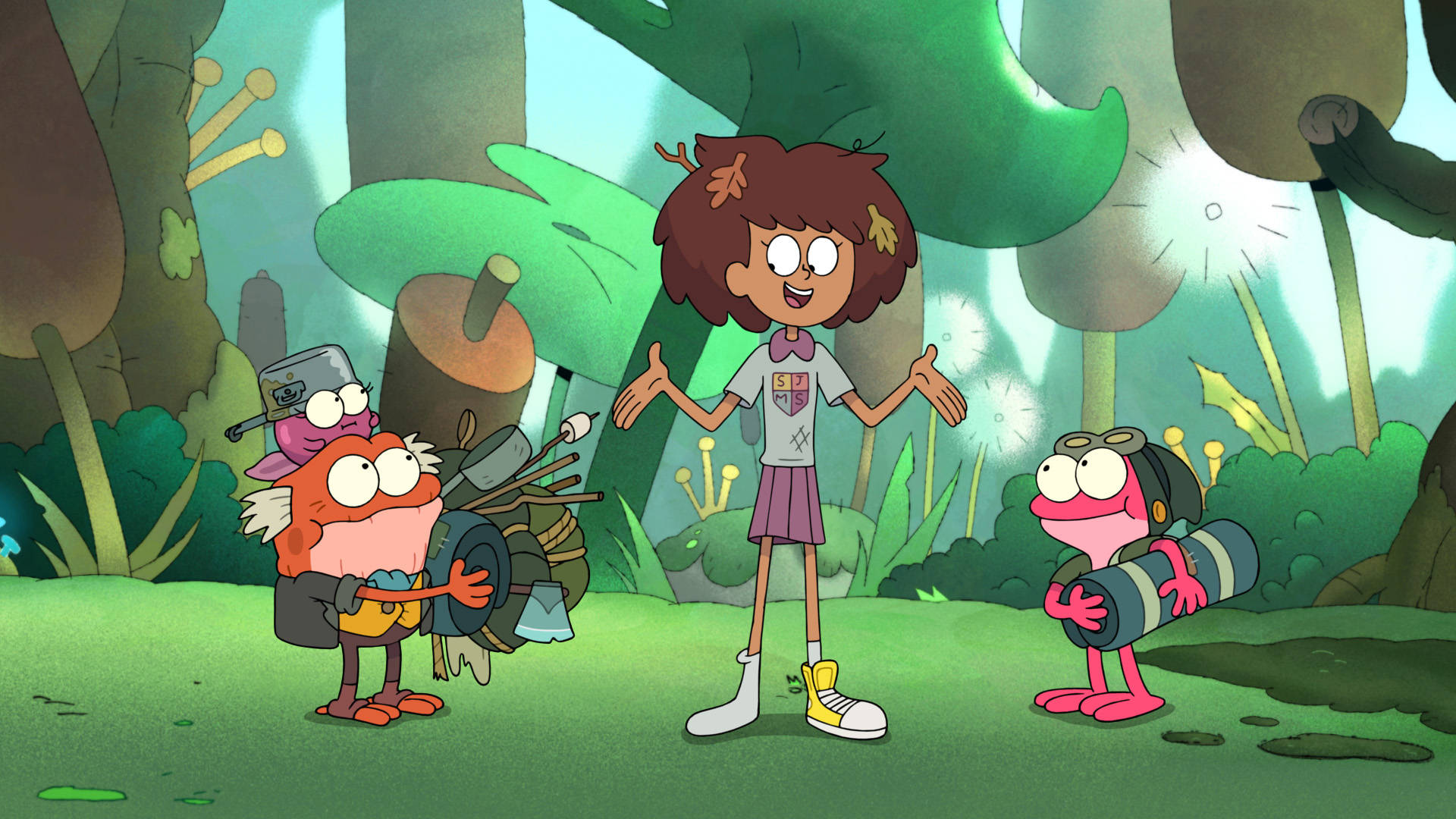
When Disney Channel's animated hit Amphibia concluded its three-season run, fans immediately started wondering about the financial realities behind the show. While internet speculation often throws around wild numbers regarding animated series, the true Amphibia net worth figures for the cast and creators involve a mix of long-established television careers, standard union voice acting wages, and modern streaming royalties.
Understanding the financial footprint of this toadally successful series requires looking past generic celebrity gossip sites. Most cast members accumulated their primary wealth outside of this specific production, given that animated television work operates on distinct pay scales compared to live-action blockbusters.
The Financial Realities of Voice Acting on Disney Channel
Voice acting for cable and streaming animated series provides steady employment under SAG-AFTRA union contracts, but it rarely matches the multi-million-dollar per-episode salaries seen in prime-time live-action sitcoms. For a show like Amphibia, created by Matt Braly and produced by Disney Television Animation, performers typically earn standard session fees or per-episode tier rates based on their experience and contract class.
For secondary voice actors and recurring guest stars, earnings depend heavily on the number of episodes worked per season. Lead actors secure higher guarantees, yet the bulk of a voice actor's long-term financial portfolio usually stems from a diverse career spanning multiple shows, commercials, video games, and residuals. Further analysis regarding this has been shared by IGN.
Wealth Breakdown of the Main Cast
The primary voice cast brings vastly different levels of established wealth to the table, largely determined by their decades-long presence in the entertainment industry prior to stepping into the world of Amphibia.
Brenda Song (Anne Boonchuy)
As the voice of the lead protagonist Anne Boonchuy, Brenda Song enters this project with the most substantial established net worth among the main cast. Having starred in major Disney Channel staples like The Suite Life of Zack & Cody and later transitioning into acclaimed dramatic and comedic projects like The Social Network and Dollface, Song boasts an estimated net worth ranging between $20 million and $25 million. Her wealth is a cumulative result of a lifelong career in television and film, making her financial standing independent of single-series voice acting compensation.
Bill Farmer (Hop Pop Plantar)
Bill Farmer is legendary in the voice acting community, most notably as the official voice of Disney's Goofy since 1987. Voicing Hop Pop Plantar added another iconic character to his extensive resume. With decades of steady work across Disney shorts, feature films, and television series, Farmer's net worth is estimated around $3 million to $5 million. His financial stability rests on long-term character licensing and continuous employment with The Walt Disney Company.
Justin Felbinger (Sprig Plantar)
Justin Felbinger voices the enthusiastic young frog Sprig Plantar. As a younger and rising talent in the industry, Felbinger's work on Amphibia represents a major career milestone. While exact private earnings aren't published, young voice actors working on network animated series typically build their early financial foundations through union session rates, paving the way for larger future roles in animation and commercial voiceover.
Amanda Leighton (Polly Plantar)
Providing the voice for the fierce tadpole Polly Plantar, Amanda Leighton brought extensive television experience to the booth, including notable live-action and voice roles in shows like The Fosters and This Is Us. Leighton’s diversified career across both on-camera acting and voiceover work places her net worth in the estimated $1 million to $3 million range.
Behind the Scenes: Creator and Production Success
Financial success for an animated property extends far beyond the voice booth. Creator Matt Braly crafted a deeply personal story inspired by his Thai-American heritage and childhood trips to Thailand. Animated series generate revenue through multiple streams:
- Linear broadcast advertising and cable distribution fees through Disney Channel.
- Streaming licensing rights, particularly via Disney+, which brings long-term residual value.
- Merchandise sales, ranging from official art books to collectible pins and character plushies.
While individual creators rarely retain full ownership of corporate intellectual property at Disney, successful showrunners secure lucrative overall deals and backend participation that reward them when a series achieves cult status and high streaming engagement.
Common Misconceptions About Animated Show Budgets
Internet rumors frequently misinterpret standard television production budgets as actor payouts. When financial reports discuss millions of dollars per episode for modern television production, that money covers massive animation pipelines, digital rendering, overseas studio partnerships, sound design, writing rooms, and complex musical scoring. Voice actors receive a strict percentage of these operational budgets, meaning a high-budget animated show does not automatically translate to overnight millionaire status for every supporting cast member.
Furthermore, public net worth aggregators often publish completely fabricated estimates for voice performers by confusing gross career earnings with current liquid assets, or by falsely assuming voice actors receive massive box-office percentage deals akin to live-action movie stars.
Frequently Asked Questions
How much do voice actors on Amphibia make per episode?
Union rates dictate baseline minimums for animation projects, but exact per-episode salaries are confidential. Principal cast members with extensive credits command higher tier rates than guest actors, though typical episodic earnings for standard animation work range based on experience and contract structure.
Is Amphibia getting a continuation or spin-off?
Creator Matt Braly concluded the story intentionally with the third season finale, stating that the narrative arc reached its planned conclusion. While Disney owns the intellectual property, no official spin-off or continuation series has been greenlit.
Where can I watch Amphibia?
The complete series is available to stream on Disney+, which remains the primary home for all three seasons, shorts, and associated promotional content.
What inspired the creation of Amphibia?
Matt Braly drew heavily from his own childhood experiences growing up as a Thai-American in a multi-cultural household, combined with classic portal fantasy tropes inspired by literature like Alice in Wonderland.



