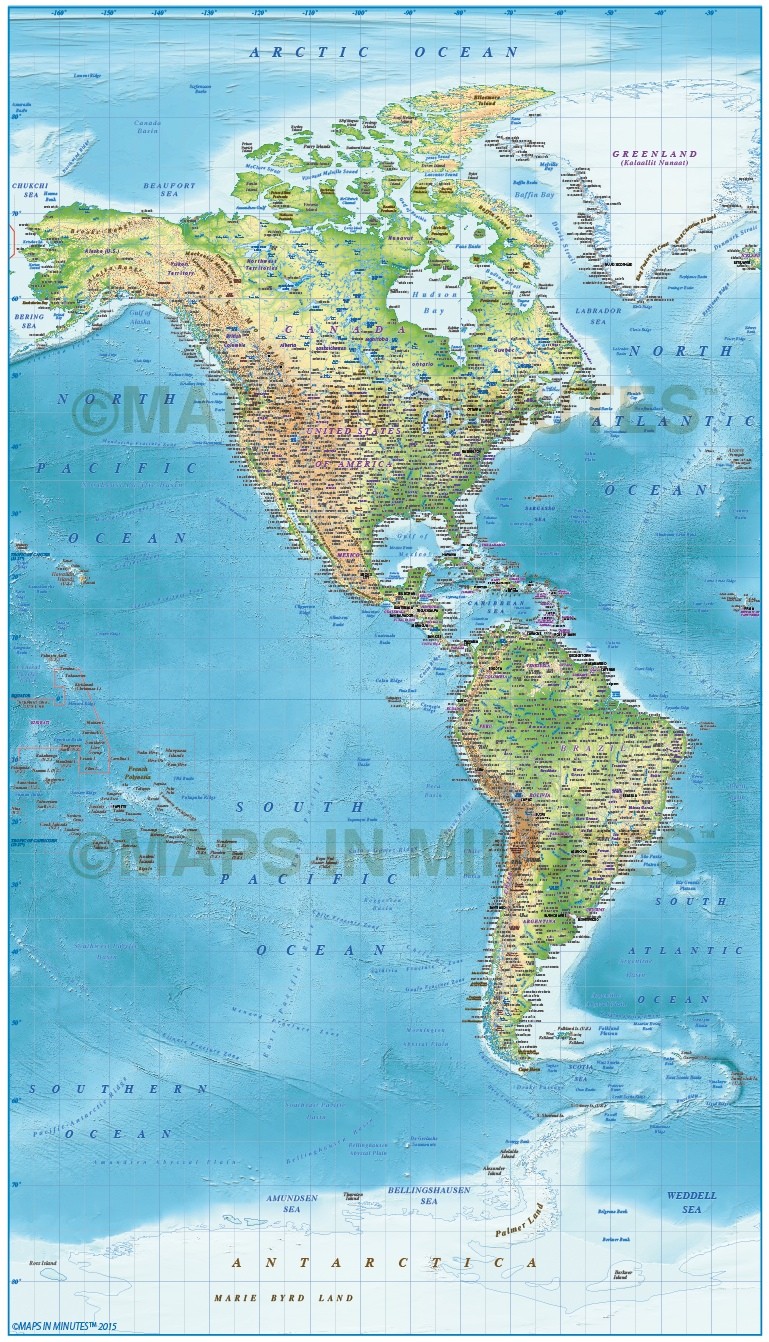
Before November 18, 1883, North America didn't share a unified clock. Instead, more than 144 local times governed daily life. Every town set its clocks by the position of the sun, meaning noon in New York occurred twelve minutes before noon in Philadelphia. This localized system worked fine for an agrarian society, but it created absolute chaos once cross-country travel exploded.
Railroad expansion forced a radical change. As steel tracks stitched the continent together, conflicting timetables caused missed connections, scheduling nightmares, and frequent head-on train collisions. America's time zones weren't designed by politicians or astronomers; they were engineered by railroad executives desperate to keep trains running safely. This grid of standardized hours transformed the United States, dictating everything from industrial manufacturing to modern digital commerce.
The Chaos of Local Solar Time
In the mid-nineteenth century, crossing the country meant constantly resetting your pocket watch. A traveler journeying from Buffalo to Rochester encountered clocks differing by several minutes, while national networks dealt with dozens of conflicting regional standards.
- The Pennsylvania Railroad alone published timetables relying on six distinct local time standards.
- Telegraph offices struggled to timestamp messages accurately, leading to legal disputes over contract deadlines.
- Passengers faced station platforms displaying multiple clocks, each pointing to a different railroad's internal time.
This fragmented reality made long-distance commerce painfully inefficient. Early visionaries like Charles Dowd and Sandford Fleming proposed dividing the continent into uniform hourly strips, but their ideas languished until private industry took direct action. As discussed in detailed reports by Reuters, the implications are widespread.
The Day of Two Noons
On November 18, 1883—known historically as the "Day of Two Noons"—American and Canadian railroad companies unilaterally implemented a standard time system. They divided the continent into four vertical time zones: Eastern, Central, Mountain, and Pacific.
At precisely 12:00 noon local time, telegraph lines flashed the signal across railway stations, and telegraph operators reset their clocks. While some municipalities resisted what they viewed as corporate overreach—Detroit stubbornly kept local sun time for nearly two decades—the efficiency of the new grid won out.
According to historical archives maintained by the Library of Congress, this private initiative laid the operational groundwork for modern synchronization. It took until 1918 for the federal government to officially formalize these zones under the Standard Time Act, passing regulatory oversight to the Interstate Commerce Commission during World War I.
How the Time Zone Grid Shapes Modern Regions
Today, the continental United States operates across four primary zones, each anchoring distinct economic and cultural sectors:
- Eastern Time: Drives national finance, media, and federal governance. Stock exchanges in New York and policy desks in Washington set a pace that influences markets worldwide.
- Central Time: Anchors America's agricultural and industrial core. Spanning from Texas oil fields to Midwest manufacturing plants, this zone coordinates heavy production and central logistics hubs like Chicago.
- Mountain Time: Balances rugged geography with rapid technological growth. Cities like Denver and Salt Lake City merge traditional resource extraction with modern aerospace and software industries.
- Pacific Time: Powers the global technology and entertainment sectors. Silicon Valley and Hollywood operate on a schedule that bridges domestic markets with Asian trade partners.
Beyond the continental blocks, federal oversight under the Bureau of Transportation Statistics accounts for territories and specialized boundaries, stretching the total count to nine distinct zones under American jurisdiction.
Common Misconceptions About Time Zone Boundaries
Many assume time zone lines follow neat, straight meridians spaced fifteen degrees apart. In reality, the grid bends constantly around human geography.
Communities petition the Department of Transportation to shift boundaries not based on astronomy, but for the "convenience of commerce". If a county conducts most of its business in a neighboring city across a zone line, local leaders frequently lobby to align their clocks with their economic partners. Political borders, commercial commuter sheds, and natural barriers like mountain ranges dictate where the lines actually fall on a modern map.
Frequently Asked Questions
Why did railroads choose Greenwich for the prime meridian?
The 1884 International Meridian Conference in Washington, D.C., selected Greenwich, England, as the global standard because a majority of the world's merchant shipping fleets already used British nautical charts and prime meridian markers for navigation.
Can an individual state decide to change its time zone?
No. Individual states or localities cannot independently alter their official time zone designation. Any adjustment requires a formal petition to the United States Department of Transportation, which must verify that the change serves the convenience of commerce.
Who regulates Daylight Saving Time in the United States?
Daylight Saving Time is regulated federally by the Department of Transportation under the Uniform Time Act of 1966. While states cannot change time zones or alter DST dates on their own authority, federal law permits individual states to opt out of observing DST entirely, a practice followed by Arizona and Hawaii.
Why are some time zone borders jagged instead of straight?
Boundaries follow state lines, county borders, and commercial hubs to prevent splitting local communities or disrupting daily commuting patterns between residential towns and commercial centers.



