Landing an Operations Manager salary at Amazon means navigating a total compensation package structured very differently from standard corporate roles. Base salaries typically range from $110,000 to $165,000 per year, but total compensation frequently pushes past $170,000 to over $220,000 when factoring in Restricted Stock Units (RSUs) and sign-on bonuses. Because Amazon relies heavily on equity to retain supply chain and logistics leaders, understanding how base pay, stock grants, and performance incentives combine is essential for evaluating offers.
Compensation figures vary significantly depending on whether you enter through internal promotions, external industry hires, or the Pathways Leadership Program. To give you a realistic picture, this breakdown examines the exact components of an Amazon operations package, how levels dictate earning potential, and what steps you can take to maximize your offer.
Understanding Amazon Total Compensation Structure
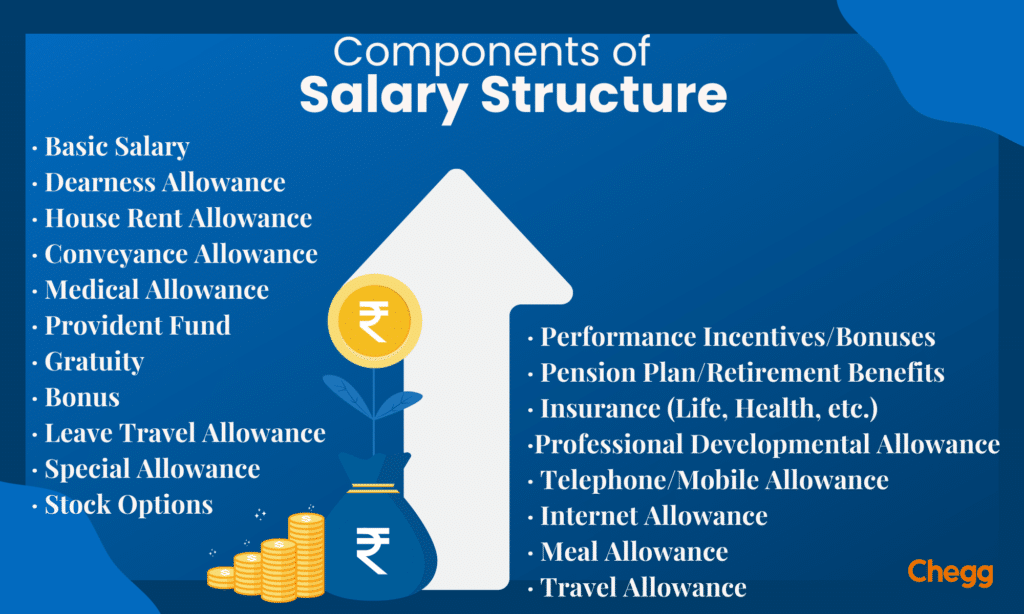
Amazon splits corporate and fulfillment leadership pay into three primary buckets: base salary, stock awards (RSUs), and cash sign-on bonuses. Unlike many traditional manufacturing or logistics firms that rely on heavy cash bonuses, Amazon caps cash base salaries relatively low compared to total earnings, shifting a large percentage of your multi-year wealth into stock vesting schedules.
Base salary provides steady bi-weekly cash flow, but it represents a smaller fraction of your overall compensation as you climb internal rungs. RSUs make up the bulk of upper-tier earnings, though Amazon front-loads its vesting schedule less than other tech giants, typically following a 5% / 15% / 40% / 40% model over four years or standard linear vesting depending on the exact corporate agreement. Sign-on bonuses are also standard for external hires to offset unvested equity left behind at previous employers, paid out over the first one to two years of employment.
Breakdown by Organizational Level
Amazon jobs are categorized by corporate levels, which strictly dictate salary bands, equity grants, and scope of responsibility. Operations Managers usually sit within Level 5 (L5) or Level 6 (L6), while Senior Operations Managers operate at Level 7 (L7).
Level 5 (L5) - Area Manager II / Operations Manager
At the L5 tier, managers typically oversee specific shifts, departments, or smaller delivery stations.
- Base Salary: $80,000 to $115,000
- Stock Value: $10,000 to $30,000 per year vesting
- Total Compensation: $100,000 to $145,000
Level 6 (L6) - Operations Manager
L6 managers bear full P&L accountability for an entire building subdomain, such as inbound, outbound, or sorting operations in a massive fulfillment center. This is the core target for experienced logistics leaders and MBA graduates entering via the Pathways program.
- Base Salary: $120,000 to $165,000
- Stock Value: $30,000 to $70,000 per year vesting
- Total Compensation: $160,000 to $225,000
Level 7 (L7) - Senior Operations Manager
L7 leaders manage entire facilities, multiple delivery sites, or regional networks, directing multiple L6 managers.
- Base Salary: $160,000 to $200,000
- Stock Value: $80,000 to $150,000+ per year vesting
- Total Compensation: $250,000 to $400,000+
Factors That Influence Your Offer
Securing the top end of an Amazon compensation band depends on several distinct variables. Recruiters have predefined salary caps for each geo-location and job profile, but leverage exists if you know where to apply pressure.
- External Competing Offers: Amazon evaluates verified competing offers from peer companies like Walmart, Target, DHL, or major tech logistics competitors. Providing written competing offers is the most reliable way to bump initial stock grants.
- Geographic Location: Fulfillment centers in high-cost-of-living metropolitan areas or regions with severe labor shortages offer higher base pay adjustments than rural facilities, though remote corporate logistics roles adjust differently.
- Specialized Background: Military veterans with officer experience and graduates from top-tier MBA programs entering specialized tracks often command higher starting equity grants than internal promotions moving up from hourly or L4 hourly administrative tiers.
Common Mistakes During Negotiation
Many candidates leave money on the table because they approach Amazon negotiations like traditional corporate HR interviews. Avoid these pitfalls to protect your earning potential:
- Focusing Only on Base Pay: Asking for a higher base salary often hits strict internal thresholds faster than negotiating additional RSUs. Push for stock units, which scale more favorably over a multi-year career.
- Accepting the First Draft: Amazon initial offers are standard baseline proposals. Recruiters expect candidates to provide data or context supporting a higher counter-offer.
- Ignoring the Sign-On Bonus Structure: Ensure your sign-on bonus is guaranteed and understand repayment clauses if you leave before completing a full year. Many external hires fail to negotiate year-two sign-on cash injections to bridge the gap before larger RSU vesting chunks hit.
Frequently Asked Questions
Do Amazon Operations Managers receive cash performance bonuses?
Cash bonuses are rare for standard operations roles outside of initial sign-on packages and occasional stock refreshers. Instead of annual cash performance bonuses, Amazon compensates high-performing managers through yearly equity refreshers awarded during annual performance reviews (VOICE cycle).
How does the Amazon Pathways Program affect salary?
The Pathways Operations Manager program targets MBA and advanced degree graduates, placing them on an accelerated track to run large facilities. Pathways hires typically start at the L6 level with competitive sign-on packages designed to attract top business school talent. You can read more about leadership expectations through the Amazon Jobs Portal.
Are stock grants guaranteed at full value?
Amazon RSUs are subject to market fluctuations. Because stock value rises and falls, your actual realized compensation in year three or four may differ significantly from the initial valuation provided in your offer letter.
How often do Operations Managers get salary reviews?
Base salaries rarely change outside of promotion cycles. Standard pay adjustments occur via stock refreshers granted during yearly compensation reviews based on individual performance ratings, leadership principles alignment, and facility output.



