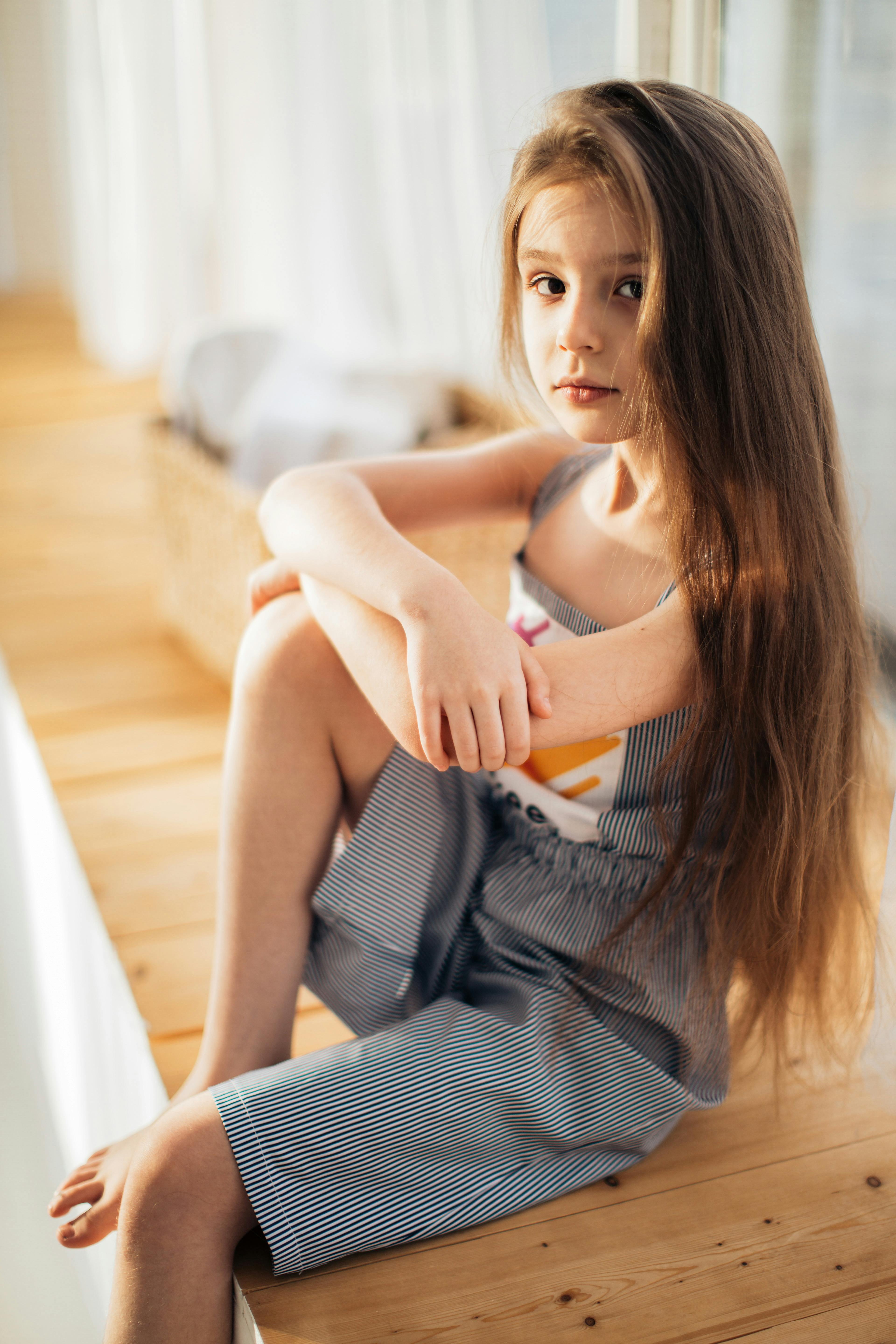
Amara Trinity Lawrence's project Writes Her Own So redefines personal narrative by fusing raw visual imagery with intentional, poetic prose. Instead of following a traditional linear memoir format, the work treats identity as a living mosaic built through photography, digital textures, and language.
When you look at contemporary self-representation, you see a massive shift away from polished perfection and toward unfiltered truth. Lawrence uses her platform to challenge passive storytelling, proving that crafting your own narrative requires both artistic sovereignty and emotional vulnerability.
The Intersection of Visual and Verbal Craft
True narrative authority happens when text and image stop competing and start collaborating. In Writes Her Own So, Lawrence doesn't use photography as mere decoration. Every frame functions as an active participant in the story.
- Raw Photography: Unfiltered expressions and exposed skin replace sterile studio perfection.
- Textured Digital Layers: Backgrounds incorporate handwritten notes, grain, and urban symbolism.
- Linguistic Rhythm: Short, punchy declarations sit alongside flowing, abstract poetic verse.
This duality lets viewers absorb complex intersectional themes instantly. You don't just read about resilience; you see the grit in the framing and feel it in the cadence of the words. To explore the bigger picture, check out the recent report by The New York Times.
Nonlinear Narrative Structures
Traditional biographies rely on chronological timelines, starting with childhood and moving methodically forward. Lawrence rejects this constraint entirely.
By grouping stories into thematic clusters rather than timelines, she mirrors how human memory actually functions. We don't experience life in straight lines. We process moments through emotional echoes, trauma responses, and sudden breakthroughs.
"I write the silence between words, the space where truth lives."
Sections like "Voices in the Margins" and "My So—My So-ness" let audiences enter the work from multiple emotional angles. It's an invitation to explore identity as a landscape rather than a timeline.
Reclaiming Language and Culture
Words matter, but how you wield them defines your agency. Lawrence incorporates linguistic shifts, poetic repetition, and multilingual nuances to honor cultural complexity.
She doesn't flatten her voice for a mass audience. Instead, she leans into dialects and slang that refuse erasure. This approach teaches creators how to build authenticity without over-explaining themselves to outsiders.
- Refuse Assimilation: Keep your linguistic roots intact in creative work.
- Embrace Abstraction: Let poetry handle emotions that literal sentences can't carry.
- Own the Formatting: Control how your text appears on the page to dictate pacing.
Leveraging Hybrid Media and Technology
A modern narrative lives across multiple platforms. Lawrence extends Writes Her Own So beyond static pages by integrating digital tools like augmented reality and embedded audio.
For example, physical prints often feature discreet QR codes. When scanned, they play spoken-word poetry that deepens the context of the visual art. This hybrid approach bridges physical print culture with digital accessibility.
If you're building your own multimedia narrative, consider these steps:
- Identify the core emotion you want to convey in your primary medium.
- Choose a secondary medium (audio, texture, or motion) that hits a different human sense.
- Use subtle interactive elements—like a hidden audio clip or a raw textural overlay—to reward engaged viewers.
Frequently Asked Questions
What is Writes Her Own So?
It's a multidisciplinary art and narrative project by Amara Trinity Lawrence that combines raw photography, digital textures, and poetic prose to explore identity, race, and self-representation.
Why is a nonlinear narrative structure used in this project?
Nonlinear storytelling mirrors human memory and intersectional experience, allowing creators to connect emotional themes rather than rigid chronological dates.
How do visual and verbal elements work together here?
Images provide emotional grounding and raw texture, while the text supplies rhythmic commentary and cultural nuance, creating a symbiotic storytelling experience.
How can creators apply these concepts to their own work?
Creators can combine personal photography with unfiltered prose, reject linear timelines in favor of thematic clusters, and use hybrid media like audio or digital overlays to add depth.



