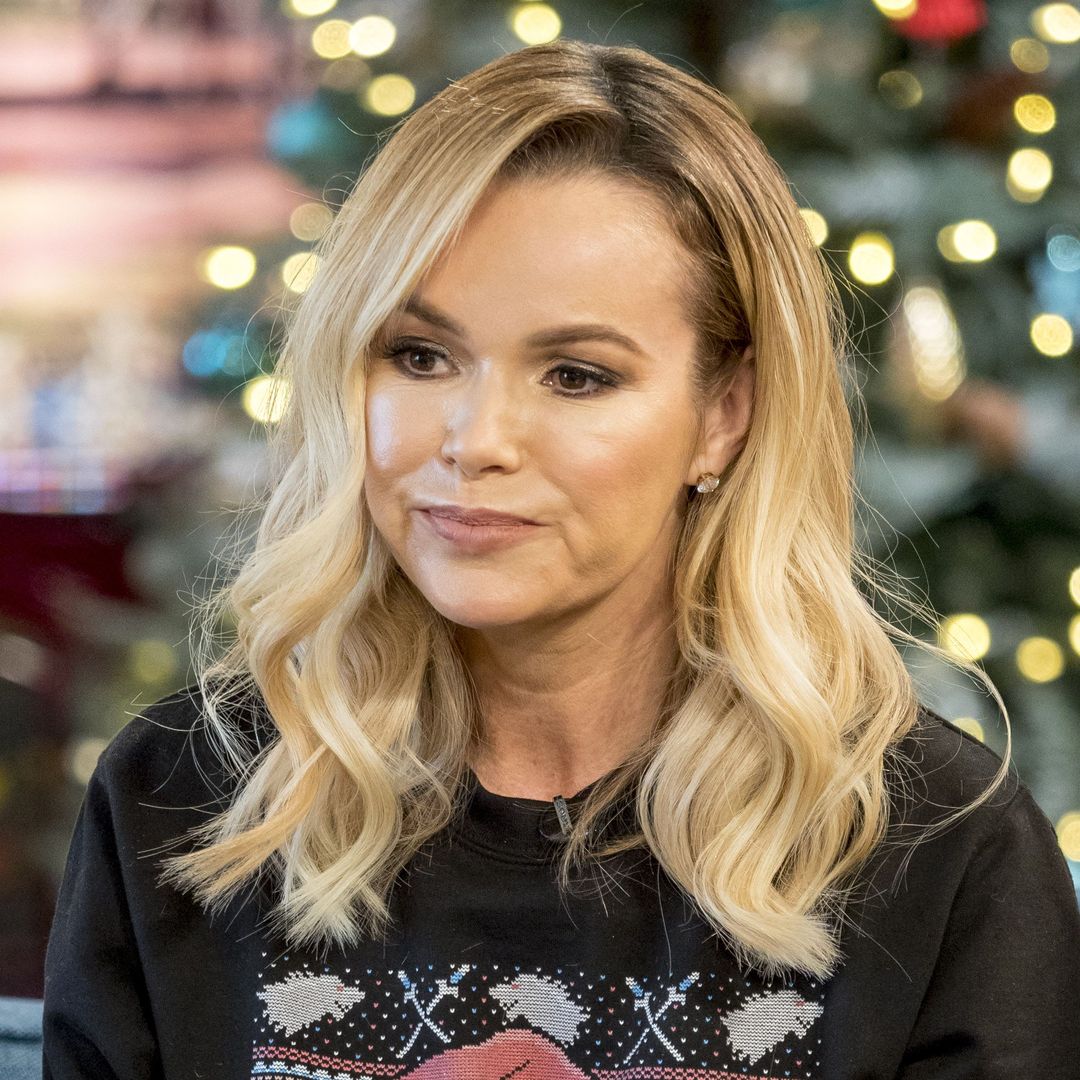
Amanda Tapping shaped modern science fiction television not just through her iconic portrayal of Samantha Carter across multiple Stargate series, but by pioneering digital production and transitioning into a prolific television director. While many actors remain tied to their breakout characters, she built a multi-faceted career spanning decades as a performer, executive producer, and episodic director.
Her impact extends far beyond traditional acting credits. By challenging the stereotypical tropes of women in genre television, she gave generations of viewers a blueprint for intelligent, complex characters. Her subsequent work behind the camera on major network shows solidified her legacy as an industry powerhouse.
The Breakthrough: Defining Samantha Carter
When Stargate SG-1 premiered in 1997, television science fiction rarely featured female scientists who were simultaneously military officers, physical combatants, and intellectual powerhouses. As Captain—and later Colonel—Samantha Carter, Amanda Tapping balanced theoretical astrophysics with tactical field leadership.
Carter wasn't written as a secondary love interest or a token smart character; she frequently saved the team through prompt application of quantum mechanics, alien technology, or quick thinking under fire. Tapping's portrayal altered how networks cast and wrote women in military sci-fi. The character spanned ten seasons of Stargate SG-1, regular appearances on Stargate Atlantis, and guest spots on Stargate Universe, making Carter one of the longest-running continuous characters in sci-fi history.
Breaking Genre Stereotypes
Before Carter, female scientists on television often fell into rigid boxes: distant academics or damsels needing rescue. Tapping infused the role with grounded warmth, vulnerability, and sharp wit. She famously noted in interviews that playing brilliant, assertive women was a fun departure from her real personality. This authenticity resonated with fans who finally saw a multidimensional woman leading a male-dominated military ensemble without sacrificing her femininity or her authority.
Beyond Stargate: The Sanctuary Innovation
In 2007, Tapping took creative control of her career by starring in and executive producing [Sanctuary], a web-turned-television series created by Damian Kindler. Playing Dr. Helen Magnus—a 157-year-old Victorian scientist running a sanctuary for abnormal creatures—allowed Tapping to experiment with production technology.
Sanctuary relied heavily on green screen environments and virtual sets long before LED volumes became industry standards. Under her leadership, the production pushed the boundaries of digital broadcasting and independent sci-fi financing. The show ran for four seasons on Syfy, proving that an independent sci-fi series fronted and produced by a woman could sustain a global audience.
Transitioning to the Director's Chair
Many actors step behind the camera for a vanity episode on their own shows, but Tapping turned directing into a second career. She directed her first episode of television with Stargate SG-1 season seven's "Resurrection". Following the conclusion of Sanctuary, she focused heavily on episodic directing.
Her directing resume includes major network and streaming series across the sci-fi, fantasy, and drama landscapes:
- Travelers (where she also recurred as Dr. Perrow)
- Supernatural
- The 100
- Motherland: Fort Salem
- The Flash
- Anne with an E
Her ability to handle complex visual effects, demanding action sequences, and intimate character beats made her a trusted pair of hands for showrunners managing high-stress television production schedules. According to industry databases tracked by the Directors Guild of Canada, her transition represents one of the most successful acting-to-directing career shifts in Canadian television history.
Legacy and Cultural Impact
Tapping's influence on the genre is documented across academic analyses of science fiction and fan communities alike. She demonstrated that fan engagement and respect could coexist with creative risk-taking. Long before modern advocacy groups pushed for equal representation behind the camera, she quietly broke barriers by hiring and mentoring diverse crew members and advocating for complex female narratives.
Awards from the Leo Awards, the Saturn Awards, and the Academy of Canadian Cinema & Television punctuate her career, but her real footprint is structural. She proved that science fiction television thrives when women lead not just as actors on screen, but as decision-makers steering the production.
Frequently Asked Questions
What was Amanda Tapping's first major sci-fi role?
Her breakout role was Samantha Carter in Stargate SG-1, which she began playing in 1997. Before that, she made guest appearances in shows like The X-Files and The Outer Limits.
Did Amanda Tapping direct episodes of Stargate?
Yes. She made her promotional and professional directorial debut directing the Stargate SG-1 season 7 episode "Resurrection", and later directed episodes of Stargate Atlantis.
How many seasons of Sanctuary did she produce?
She served as an executive producer and the lead star across all four seasons of Sanctuary from 2007 to 2011.
Is Amanda Tapping still active in television?
Yes. While she has stepped back from regular on-screen acting roles, she remains a busy and sought-after television director, helming episodes for recent mystery and fantasy series.



