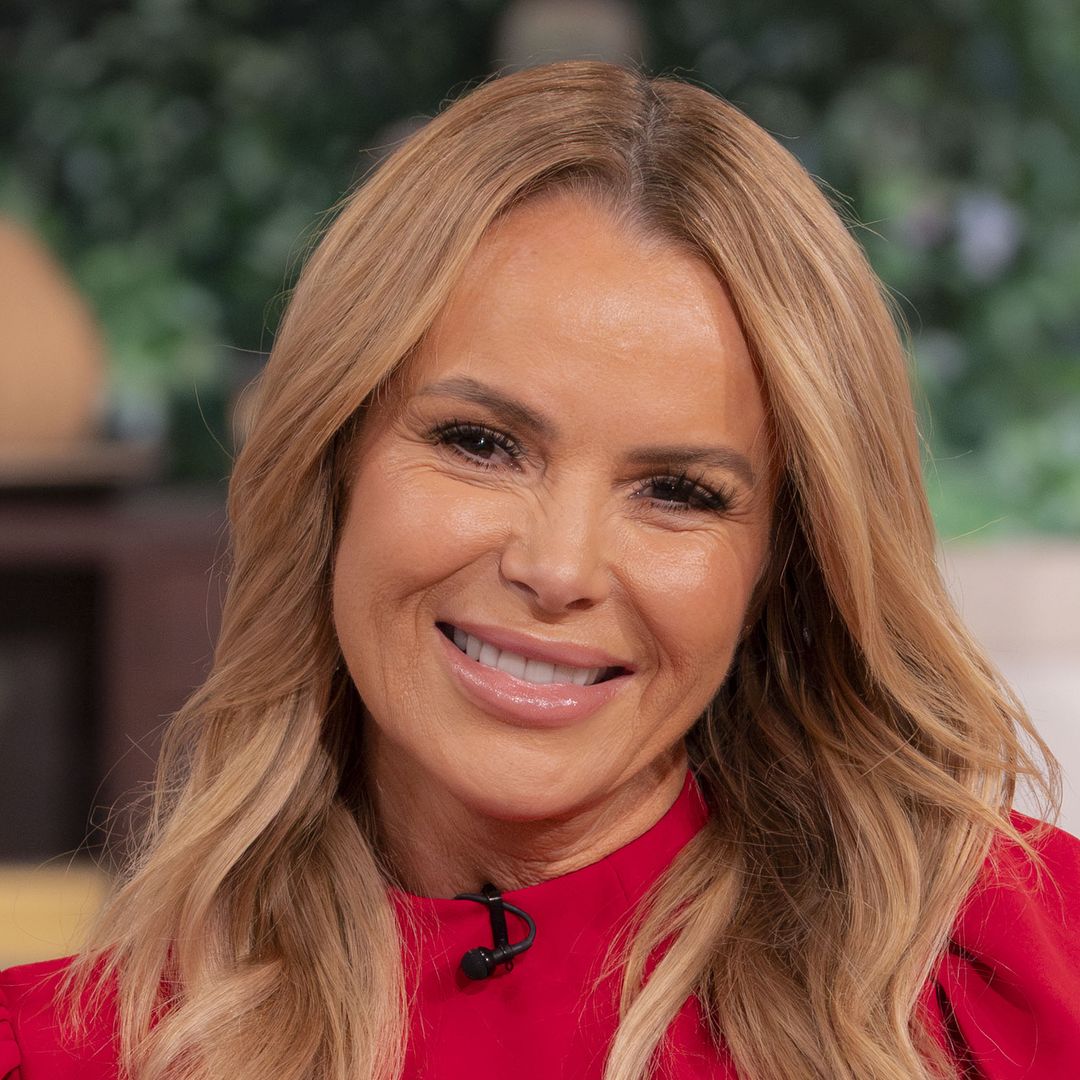
Amanda Blake anchored nineteen seasons of Gunsmoke as Miss Kitty Russell, transforming a brief role into the moral and emotional anchor of Dodge City. While many television westerns relegated women to damsels in distress or background ornaments, Blake infused her character with sharp intellect, quiet authority, and undeniable grit. She didn't just portray a saloon keeper; she defined how female independence looked on the American frontier.
Born Beverly Louise Neill in Buffalo, New York, Blake carved out a legendary career that stretched far beyond the soundstages of Hollywood. From her early days as a contract player at Metro-Goldwyn-Mayer to her pioneering wildlife conservation efforts, her life was marked by fierce independence. Understanding her enduring impact means looking past the red hair and the smoky saloon lights to see a resilient performer who shaped television history.
Early Life and the Road to Hollywood
Long before she walked the wooden boardwalks of Dodge City, Blake grew up navigating a working-class childhood in Buffalo. Born in 1929, she gravitated toward the arts early, participating in local theater and radio productions while supporting herself by working as a telephone operator.
Hollywood scouts eventually noticed her striking features and natural screen presence. MGM signed her with high expectations, hoping she would become their next major box-office draw. Studio executives even dubbed her "the next Greer Garson". However, studio formulas didn't fit her personality. She chafed under rigid studio contracts that restricted her freedom. Choosing independence over a gilded cage, she broke away from major studio control to freelance in film and television during the early 1950s.
Her early film credits included minor parts in westerns and dramas, where she learned the mechanics of screen acting. These roles built her reputation as a reliable professional who could hold her own opposite established actors. Yet, television offered the vehicle that would turn her into a household name.
Claiming the Stage as Miss Kitty Russell
When CBS adapted the radio drama Gunsmoke for television in 1955, producers cast Blake as Miss Kitty, the quick-witted owner of the Long Branch Saloon. Initially, the part was meant to be a minor recurring fixture. Television standards of the era often kept female characters flat and secondary to the male lead.
Blake changed that dynamic immediately. Through subtle expressions, sharp comebacks, and an aura of absolute self-reliance, she elevated Miss Kitty into a central pillar of the series. She played opposite James Arness, who portrayed Marshal Matt Dillon. Their complex, unspoken romance became one of the most compelling relationships in television history. They didn't need explicit declarations of love; a lingering glance across a crowded room told the whole story.
Several key elements separated Blake's performance from other western tropes of the 1950s and 1960s:
- Natural Aging: Producers allowed her character to age naturally alongside the town of Dodge City, rejecting the Hollywood convention of freezing women in perpetual youth.
- Moral Agency: Miss Kitty managed her own business, settled disputes without flinching, and often dispensed practical advice to the town's lawmen and outlaws alike.
- Emotional Depth: Writers hinted at a complex past without over-explaining it, giving the character a layer of mystery and hard-earned wisdom.
For nineteen years, Blake remained the beating heart of the show. By the time she left the series in 1974, she had appeared in over 400 episodes, making her one of the most recognizable faces in American households.
Leaving Dodge City and Championing Conservation
Tired of the grueling production schedules and long commutes from her home, Blake walked away from Gunsmoke in 1974. She famously joked that nineteen years was a long time to stay stuck behind a bar. Rather than chasing identical television roles, she redirected her formidable energy toward personal passions, most notably animal welfare and medical advocacy.
She became a tireless crusader for wildlife conservation. Alongside her third husband, Frank Gilbert, she established one of the first successful captive breeding programs for cheetahs. Operating out of her ranch, they raised multiple generations of endangered cats to help preserve the species. Her dedication extended to the board of directors for the Humane Society of the United States and the Arizona Animal Welfare League.
In 1977, Blake faced a major personal health crisis when she was diagnosed with oral cancer. She underwent successful surgery and subsequently lent her voice to the American Cancer Society, traveling the country to encourage early detection and public health awareness. Her courage earned her accolades from medical organizations and cemented her status as a survivor both on and off the screen.
To learn more about her life and career milestones, you can visit the Internet Networks and Programs (INSP) profile on Amanda Blake.
Life Away from the Cameras
Blake's personal life often mirrored the complexity of the characters she played. She married four times throughout her life, seeking partnerships that matched her independent spirit. While her marriages to Don Whitman, Jason Seymour Day Jr., and Frank Gilbert ultimately ended in divorce, each chapter shaped her worldview. Her final marriage to Mark Edward Spaeth in 1984 ended tragically when Spaeth passed away the following year.
Despite stepping back from regular television work, she occasionally returned to acting. She appeared in regional theater productions, made guest spots on shows like The New Dragnet, and starred in theatrical films such as Theholt and The Quester. However, her true focus remained firmly anchored in her conservation work and her ranch.
Her contributions to western heritage earned her formal recognition when she became the third person ever inducted into the Hall of Great Western Performers at the National Cowboy and Western Heritage Museum in Oklahoma City, following icons like Tom Mix and Gary Cooper.
The Enduring Legacy of an Icon
Amanda Blake passed away on August 16, 1989, at the age of sixty. While initial reports attributed her death to cancer complications, medical records later confirmed she passed away from liver failure brought on by viral hepatitis and HIV complications. Her passing marked the end of an era for classic television fans who grew up watching her command the screen every week.
Decades after her final appearance in Dodge City, her work continues to resonate. Syndicated reruns introduce her performances to new generations of viewers who appreciate authenticity over modern CGI spectacle. She proved that strength doesn't require a badge or a gun; it requires character, resilience, and unwavering integrity.
For further reading on television history and the preservation of classic shows, check out the resources provided by the Television Academy.
Frequently Asked Questions
Why did Amanda Blake leave Gunsmoke?
She left the show in 1974 after nineteen seasons because she was exhausted by the demanding production schedule, long weekly commutes, and routine of playing the same character for nearly two decades.
Was Amanda Blake a natural redhead?
Yes, her striking natural red hair was entirely real. It became one of her most famous physical traits and helped casting directors envision her instantly as the fierce saloon keeper Miss Kitty.
What was Amanda Blake's involvement in animal conservation?
She was a pioneer in wildlife preservation. She co-founded a successful captive breeding program for cheetahs, served on the board of the Humane Society of the United States, and helped support numerous animal welfare organizations.
Did Amanda Blake return for any Gunsmoke reunion movies?
No, she did not participate in the later Gunsmoke television reunion films produced in the late 1980s and early 1990s, as her health had begun to decline following her retirement from regular television acting.



