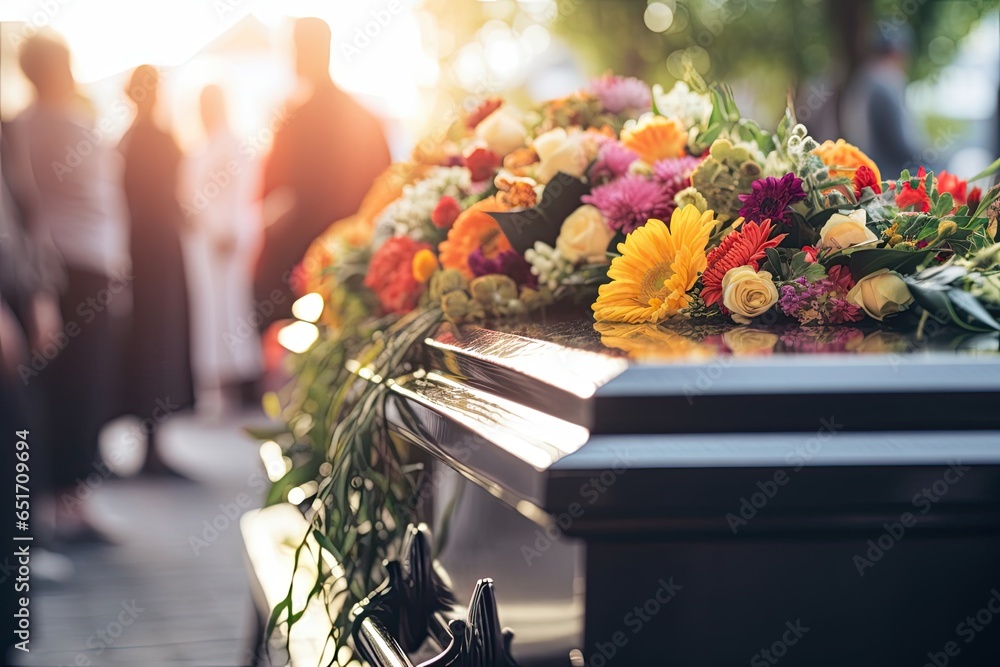
When you're attending a service at Alvis Miller Funeral Home in Rockmart, Georgia, understanding modern funeral etiquette helps you navigate a difficult day with confidence and grace. Traditional rules of mourning have shifted away from rigid formality toward genuine empathy, and local establishments are leading that evolution.
Navigating a contemporary memorial or visitation doesn't mean memorizing outdated Victorian constraints. It's about showing up with emotional intelligence, respecting the grieving family's boundaries, and honoring a life without adding stress to those organizing the farewell.
Understanding Modern Funeral Etiquette at Alvis Miller Funeral Home
The days of mandatory black suits, rigid silence, and strictly prescribed schedules are fading. At modern facilities like Alvis Miller Funeral Home, the focus has shifted toward personal expression and emotional comfort. When you walk through the doors, the primary goal isn't performing a role; it's supporting the family and acknowledging their loss.
Etiquette in this setting revolves around presence and attentiveness. If you're wondering whether it's okay to share a lighthearted memory or laugh during a visitation, the answer is often yes, provided the family sets that tone. Grief isn't linear, and contemporary services make space for every emotion.
Dress Codes and Personal Appearance
While dress codes have relaxed, showing respect through your attire remains essential. You don't necessarily need a full three-piece suit or a formal black dress unless the family has specifically requested a traditional or black-tie memorial.
- Smart Casual to Business Casual: Aim for modest, subdued colors like navy, gray, dark green, or muted earth tones. Avoid loud graphics, neon colors, or overly casual athletic wear.
- Exceptions for Celebrations of Life: If the family organizes a vibrant celebration of life honoring someone who loved bright colors or sports teams, they might request specific attire. Check the obituary or service details for guidance.
- Footwear: Choose comfortable shoes, as you may be standing during a visitation, walking on uneven ground at a cemetery, or greeting family members for extended periods.
Arrival and Punctuality
Timing matters deeply when you're attending services. Arriving late disrupts the flow of the gathering and can cause unnecessary stress for the family and funeral directors.
Aim to arrive 10 to 15 minutes before a scheduled visitation or service. This gives you time to park, sign the guest book, find a seat, and settle your thoughts. If you're attending a graveside service directly, park your vehicle legally in the designated procession line and follow the director's spatial cues.
Navigating Visitation and Viewing Protocols
The visitation period is often the most emotionally intense part of the process. Knowing how to interact with the family and approach the casket makes a significant difference.
When you approach the family, keep your condolences brief, sincere, and focused on them. Long stories about your own experiences with grief can inadvertently shift the spotlight away from the people who need support most.
What to Say to the Grieving Family
Finding the right words is tough, and it's completely normal to feel tongue-tied. Simple, honest statements carry the most weight.
- "I'm so sorry for your loss; we're thinking of you."
- "He was such a kind neighbor, and we're going to miss him dearly."
- "I don't have the right words, but I'm here for you whenever you need anything."
Avoid platitudes like "they're in a better place" or "time heals all wounds," as these can feel dismissive of raw pain. If you knew the deceased well, sharing a brief, specific memory provides genuine comfort.
Casket Etiquette and Photography
Approaching an open casket is entirely optional. If you choose to walk up, it's a moment for quiet reflection, prayer, or a silent goodbye. You don't have to touch the casket or view the deceased if it makes you uncomfortable.
- Phones Away: Never take photographs, videos, or selfies during a visitation or funeral service unless the family has explicitly stated it's permitted. This rule is absolute.
- Silent Mode: Ensure your phone is completely silenced—not just on vibrate, where the buzzing can echo in a quiet room—before entering the building.
- Digital Participation: If you're joining via a livestream link provided by the funeral home, treat it with the same respect as attending in person. Stay muted and dress appropriately if your camera is on.
Practical Ways to Support Beyond the Service
Attending the service is only the first step. True community support often matters most in the weeks after the funeral, when the phone calls stop and the quiet sets in.
Sending Flowers, Donations, and Meals
Deciding whether to send flowers or make a donation depends on the family's wishes, which you can usually find listed in the official obituary on the Alvis Miller Funeral Home website.
- Floral Tributes: If sending flowers, have them delivered directly to the funeral home at least a few hours before the visitation begins.
- Memorial Contributions: When a family requests donations to a specific charity or research fund in lieu of flowers, honor that request promptly.
- Practical Help: Dropping off a frozen meal, offering to mow the lawn, or running errands for the surviving family provides tangible relief during an overwhelming transition.
Frequently Asked Questions
Is it mandatory to wear black to a funeral at Alvis Miller Funeral Home?
No, wearing solid black is no longer a strict requirement. Muted, dark, or conservative colors are standard, but check the obituary if the family requests a specific theme or color palette.
How long should I stay at a visitation?
Plan to stay long enough to sign the guest book, pay your respects to the family, and briefly express your condolences. For most guests, a visit lasts between 15 and 30 minutes, freeing up space for others.
Can I bring children to a funeral service?
Yes, children are generally welcome, provided they can remain reasonably quiet and calm. If a young child becomes restless or starts crying loudly, step outside into the lobby or hallway immediately to comfort them.
What should I write in a sympathy card?
Keep it concise and personal. Express your sympathy, share one brief, warm memory of the deceased if you knew them, and offer specific help (such as dropping off dinner next week) rather than a vague "let me know if you need anything."



