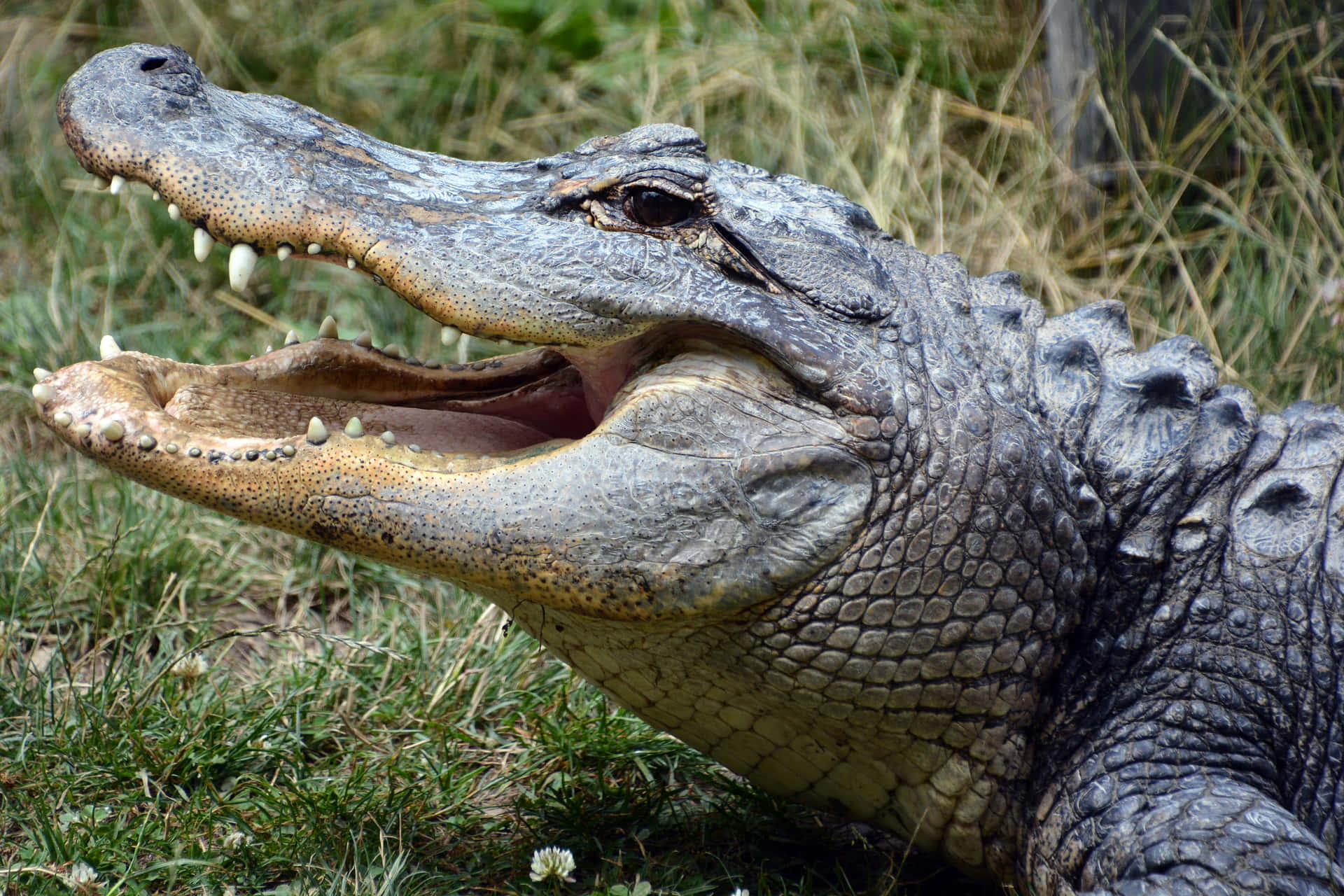
When you're trying to say alligator in Spanish, you might reach for the word cocodrilo out of habit. But that's a common trap that will lead native speakers to picture the wrong reptile.
The exact translation for an alligator in Spanish is el aligátor, though many Spanish speakers also simply use el caimán depending on the region. Let's look at how to get this right, avoid awkward translation mistakes, and master related wildlife vocabulary in Spanish.
Exact Translation and Pronunciation
You don't need to invent a brand-new root word when discussing this reptile. The Real Academia Española officially lists aligátor as a loanword, complete with a written accent mark to fit Spanish pronunciation rules.
- El aligátor: The alligator (masculine noun, plural: los aligátores).
- Pronunciation: Ah-lee-GAH-tor, placing the stress on the second-to-last syllable, with a rolled or tapped 'r' sound at the end.
While dictionaries list aligátor, you'll find that everyday native speakers across Latin America and Spain rarely use the word unless they're talking specifically about North American wildlife. Instead, regional terms take over. If you're traveling or chatting with locals, knowing how these terms split is vital.
Regional Variations: Aligátor vs. Caimán vs. Cocodrilo
Spanish splits large predatory reptiles into distinct categories based on local fauna. If you use the wrong word, you risk confusing your listener about the size and species of the animal.
- El caimán: This is the most common word used across Latin America for alligators and caimans. If you see a medium-sized relative of the alligator in Mexico, Central America, or South America, locals will call it a caimán.
- El cocodrilo: This refers strictly to true crocodiles. Crocodiles have a narrower, V-shaped snout and tend to be larger, more aggressive, and capable of living in saltwater habitats.
- El aligátor: Used primarily in scientific texts, nature documentaries, or specific references to the American alligator (Alligator mississippiensis) found in the southeastern United States.
According to the Smithsonian National Zoo, alligators possess a wider, U-shaped snout designed for crushing hard-shelled prey like turtles, whereas crocodiles rely on a pointed snout for catching fish. In Spanish conversation, matching the regional noun to the animal's actual anatomy keeps your speech precise.
Useful Sentences for Travel and Conversation
Knowing vocabulary is only half the battle. You need to know how to deploy these terms in real-world contexts, whether you're visiting Everglades National Park or discussing a nature documentary.
- Cuidado con los aligátores en el pantano. (Watch out for the alligators in the swamp.)
- ¿Cuál es la diferencia entre un caimán y un cocodrilo? (What's the difference between a caiman and a crocodile?)
- El aligátor americano vive principalmente en los Estados Unidos. (The American alligator lives mainly in the United States.)
- Vimos un caimán grande tomando el sol en la orilla del río. (We saw a large caiman sunbathing on the riverbank.)
Notice how we use masculine articles (el, los) with all these animal names. When making them plural, words ending in a consonant like aligátor add -es, changing to los aligátores.
Common Mistakes to Avoid
Language learners often trip up on a few specific points when talking about wildlife in Spanish. Keep these pitfalls in mind to sound more natural:
- Calling every reptile a cocodrilo: Don't default to cocodrilo for every large scaly creature you see. If you're in Louisiana looking at an alligator, calling it a cocodrilo is technically inaccurate in biological terms, even if people understand you.
- Forgetting the accent mark: When writing formally, don't drop the accent on aligátor. Leaving it off makes it look like an unadapted English word pasted into a Spanish sentence.
- Grammatical gender errors: Remember that these nouns are grammatically masculine. You'll say un aligátor or el caimán, never una aligátor.
For further reading on natural history terminology and bilingual wildlife guides, check out resources provided by National Geographic en Español.
Frequently Asked Questions
Is alligator a Spanish word?
Yes, aligátor is an accepted loanword in Spanish, though it's primarily used in formal, scientific, or wildlife contexts. Everyday speakers usually prefer caimán.
Do people in Spain use the word caimán?
People in Spain use caimán when talking about the animal generally, but they also use cocodrilo for farmed or imported reptiles. True alligators are native only to North America and China, so they aren't part of local Spanish wildlife.
How do I know if I'm looking at an alligator or a crocodile in Spanish?
Look at the snout. If it's broad and U-shaped, it's an aligátor or caimán. If it's narrow and V-shaped with lower teeth showing when the mouth is shut, call it a cocodrilo.
Can I use alligator and caimán interchangeably?
In casual conversation, yes. Most Spanish speakers won't nitpick the subtle biological differences between a North American alligator and a Central American caiman unless they are trained biologists.



