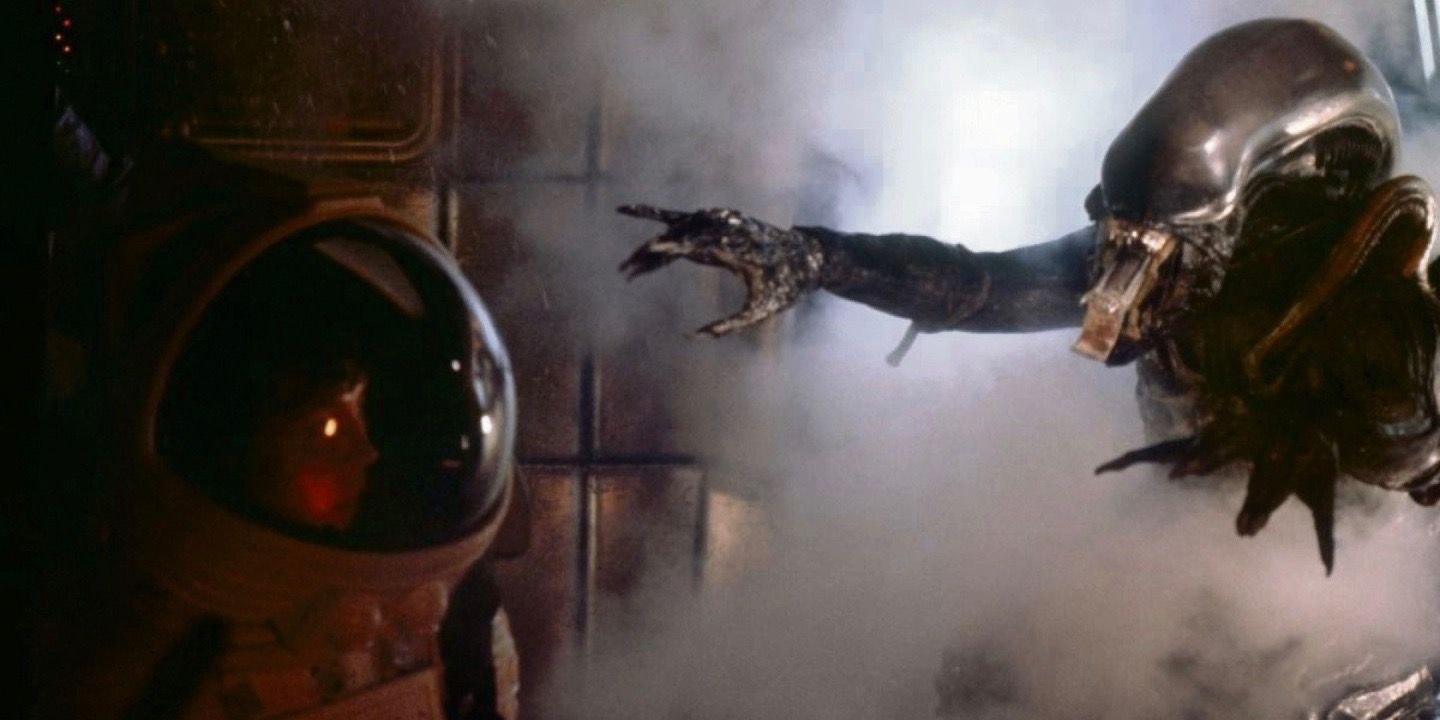
Released in late 2001 by Monolith Productions and published by Fox Interactive, Aliens versus Predator 2 stands as a high-water mark for asymmetrical first-person shooters. Unlike the competitor article that mistakenly treats the title as a fictional multiplayer disaster released in 1999 by Rebellion (confusing it with the original PC game and mixing up release timelines), Monolith's AvP2 delivered a masterclass in tension, asymmetrical game design, and atmospheric storytelling. Built on LithTech 2.2, it remains a beloved cult classic that successfully captured the terrifying isolation of Ridley Scott's sci-fi universe, the military camaraderie of James Cameron's Aliens, and the ritualistic hunting grounds of the Predator films.
Beneath its cult status lies a turbulent production history, technical evolution, and a rich legacy of modding that kept its servers alive for decades. Let's dissect why this 2001 masterpiece still haunts the nightmares of retro PC gamers and why modern shooters struggle to match its asymmetric balance.
The Production Magic Behind Monolith's Masterpiece
When Fox Interactive handed the reins to Monolith Productions, the studio was already making waves with titles like Blood and Shogo: Mobile Armor Division. They didn't just build a sequel; they crafted three distinct single-player campaigns that intertwined on the mining colony of LV-1201.
You play through the boots of a doomed corporate security operative (Marine), a lethal xenomorph drone evolving through its life cycle, and an elite Yautja hunter seeking glory. Each campaign features unique mechanical systems, audio cues, and movement physics.
- The Marine Campaign: Darkness is your enemy. Flares sputter and die, motion trackers emit a frantic high-pitched beep, and ammunition is scarce. It's pure survival horror.
- The Alien Campaign: You scurry across walls and ceilings with absolute freedom of movement. Your tail is a deadly whip, and shadows are your sanctuary.
- The Predator Campaign: You command thermal, electrical, and bio-mask vision modes, wielding plasma casters, smart discs, and spearguns while cloaking in plain sight.
Asymmetrical Multiplayer and LithTech Mechanics
Where the original 1999 title by Rebellion established the formula, Monolith's engine refinements perfected the multiplayer loop. AvP2 introduced server rules, team dynamics, and character classes that forced players to master radically different playstyles in the same match.
Marine players formed tight squads, welding doors shut and setting up sentry guns to stem the tide of fast-moving aliens. Meanwhile, Alien and Predator players had to coordinate hunts, turning standard deathmatch modes into genuine psychological warfare. The LithTech engine handled multi-tiered verticality exceptionally well, allowing xenomorphs to ambush players from dark ventilation shafts with zero lag penalty.
If you want to dive deeper into the technical milestones of early 2000s PC architecture, check out historical hardware retrospectives on Ars Technica.
Common Pitfalls and Balance Issues in AvP2
Even masterpieces carry scars. AvP2 was not immune to balancing debates that fractured its community during peak online play.
- The Netcode Struggle: Early broadband was a luxury, and dial-up users suffered severe rubber-banding, particularly when playing agile aliens warping across ceilings.
- Marine Firepower Dominance: In open-map rotations, a disciplined group of Marines utilizing smartguns could easily lock down corridors, frustrating melee-focused alien players.
- Predator Over-Reliance: Novice players often camped with the shoulder-mounted plasma caster, leading server admins to enforce strict "no-caster" or "melee-only" rule sets.
The Expansion That Saved the Hunt: Primal Hunt
In 2002, Sierra Entertainment released the Primal Hunt expansion pack, developed by Third Law Interactive. While it introduced new weapons, ancient alien artifacts, and a prequel campaign set two millennia prior, it received mixed reactions.
The expansion attempted to flesh out the lore of the artifacts connecting the species, but bugs and rushed level design compromised its reception. Yet, it added essential maps and the dual-wielding pistol mechanics that hardcore fans integrated into custom rotation servers.
Community Revival and the Modern Modding Scene
When official master servers shut down following corporate restructuring, the game's story could have ended quietly. Instead, the community took over. Dedicated developers built custom patches, launcher utilities, and master server emulators like PCGamingWiki to ensure compatibility with modern Windows operating systems.
Total conversion mods, custom maps, and balance patches transformed AvP2 into a sandbox that outlived its commercial lifespan. These grassroots efforts prove that when developers build genuine mechanical asymmetry, players will spend decades preserving it.
Frequently Asked Questions
Can you still play Aliens versus Predator 2 today?
Yes, though you won't find it on mainstream storefronts like Steam or GOG due to complex licensing rights between Disney, 20th Century Studios, and various IP holders. Fans rely on physical discs, community patch installers, and fan-run master servers to play online.
How does AvP2 differ from the 2010 Rebellion reboot?
Monolith's 2001 version prioritized slower, atmospheric pacing, intricate level design, and deep campaign interweaving. The 2010 Aliens vs. Predator reboot leaned heavily into modern action-movie spectacle, quick-time finish moves, and console-centric controller layouts.
What engine did Monolith use to build the game?
The game runs on the proprietary LithTech 2.2 game engine, which allowed for advanced lighting, skeletal animation, and flexible networking code tailored for fast-paced PC shooters of that era.
Did the single-player campaigns share the same storyline?
Yes. The three campaigns intersect on planet LV-1201. Events witnessed from a Marine's terrified perspective often explain what the Alien or Predator experienced minutes prior in the same facility, creating a cohesive narrative puzzle.



