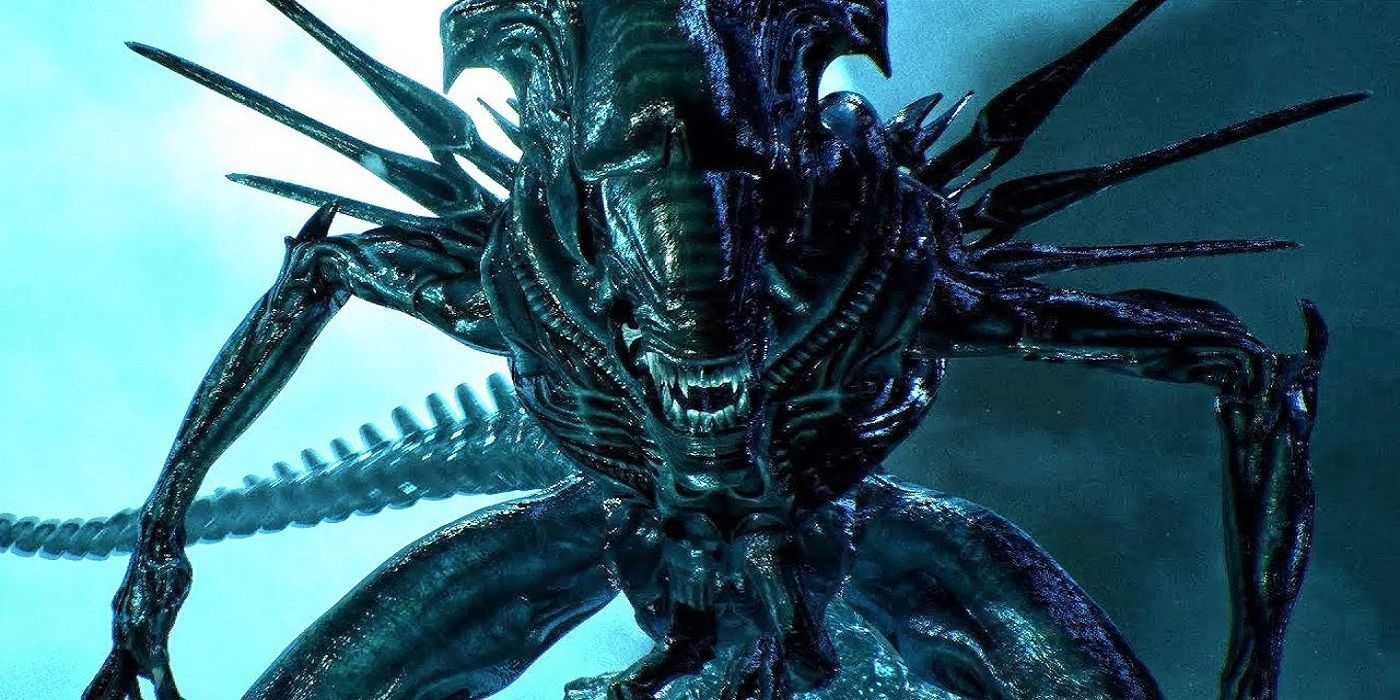
Fede Álvarez’s 2024 sci-fi horror feature Alien: Romulus occupies a specific sweet spot in franchise history. Set squarely between Ridley Scott's 1979 original and James Cameron's 1986 sequel, the film bridges two distinct eras of corporate survival and Xenomorph terror.
If you're trying to map out where the story fits without getting lost in decades of lore, the key is understanding how this standalone chapter stitches together the original films and the later prequels. Let's break down the exact chronology, narrative ties, and hidden callbacks that define this entry.
Where Alien Romulus Fits on the Timeline
Chronological placement matters for horror continuity. Alien: Romulus is set in the year 2142.
Because the original Alien takes place in 2122, this film occurs 20 years after Ellen Ripley's harrowing encounter aboard the Nostromo, and 37 years before the colonial marines touch down on LV-426 in Aliens.
This mid-point placement gives the creative team unique narrative freedom. The Weyland-Yutani Corporation is actively searching for lost assets, and independent colonists on mining worlds like Jackson's Star are desperate to escape corporate indenture.
Chronological Order at a Glance
- Prometheus (2089–2093): The origins of the Engineers and the black goo pathogen.
- Alien: Covenant (2104): David 8's genetic experiments on planet Origae-6.
- Alien (2122): The destruction of the Nostromo and the recovery of the original specimen.
- Alien: Romulus (2142): Scrappy colonists scavenge the derelict Renaissance station.
- Aliens (2179): Ripley wakes up to lead a military rescue mission.
- Alien 3 (2179): Crash landing on Fiorina 161.
- Alien Resurrection (2381): Military cloning experiments centuries later.
Direct Connections to the 1979 Original
The primary physical link to Ridley Scott's original film is the very antagonist that terrorized Ripley. Recovered by salvage teams, the calcified remains of the original Xenomorph are brought aboard the Renaissance research station—split into the Romulus and Remus labs.
The structural design of the space station mirrors the industrial, analog-futuristic aesthetic of the Nostromo. CRT monitors, heavy hydraulic doors, and clunky computer interfaces ground the movie in the late 20th-century sci-fi aesthetic.
Furthermore, the synthetic human Rook serves as a direct narrative parallel to Ash. While Ash was secretly programmed by Weyland-Yutani to prioritize the specimen over human lives, Rook inherits that exact corporate mandate after surviving severe damage during the station's initial outbreak.
Bridging the Prequels: Prometheus and Covenant
While Romulus looks and feels like a direct sequel to the 1979 classic, Álvarez deliberately loops in the lore established in Prometheus and Alien: Covenant.
The catalyst for the horrific mutations in Romulus stems from Weyland-Yutani's obsession with the black goo (Pathogen-strain derivatives). Rook explains that the corporation reverse-engineered the fluid extracted from the original Xenomorph to isolate a compound they call the "Prometheus fire."
This compound acts as a genetic stepping stone, leading directly to the horrifying human-Xenomorph hybrid born in the film's climax. It answers a lingering question about what the corporation intended to do with the creature data: weaponize it for human enhancement and immortality.
Common Misconceptions About the Romulus Timeline
Viewers often confuse how the timeline interacts with other media, leading to a few persistent myths.
- Myth: Romulus is a direct sequel to Alien: Covenant. Fact: It takes place nearly four decades after Covenant, focusing on blue-collar miners rather than deep-space colonization scientists.
- Myth: You need to watch all six preceding movies to understand the plot. Fact: Because it occurs in the gap between Alien and Aliens with a brand-new cast of characters, watching just the 1979 original provides all necessary context.
- Myth: The station itself is a new corporate initiative. Fact: The Renaissance station is an old mining and research facility repurposed specifically to study the biological assets salvaged from space.
Frequently Asked Questions
Do I need to watch Prometheus before watching Alien Romulus?
No, it's not strictly required. However, watching Prometheus helps explain the origin of the black goo and the genetic mutagen that drives the scientific experiments on the Renaissance station.
Is Ellen Ripley mentioned or seen in the film?
Ripley does not physically appear in the film, as she is still drifting in hypersleep during the year 2142. However, subtle audio cues and thematic nods honor her ongoing survival during this era.
How does the Xenomorph survive between Alien and Romulus?
The film reveals that a salvage vessel recovered the frozen, fossilized remains of the original Xenomorph from the debris field where Ripley blew it out of the airlock.
Are the Alien vs. Predator movies considered canon to this timeline?
No. Mainline franchise entries like Romulus, Prometheus, and Aliens ignore the events of the Alien vs. Predator films entirely, maintaining a separate historical continuity focused purely on Weyland-Yutani's corporate greed.



