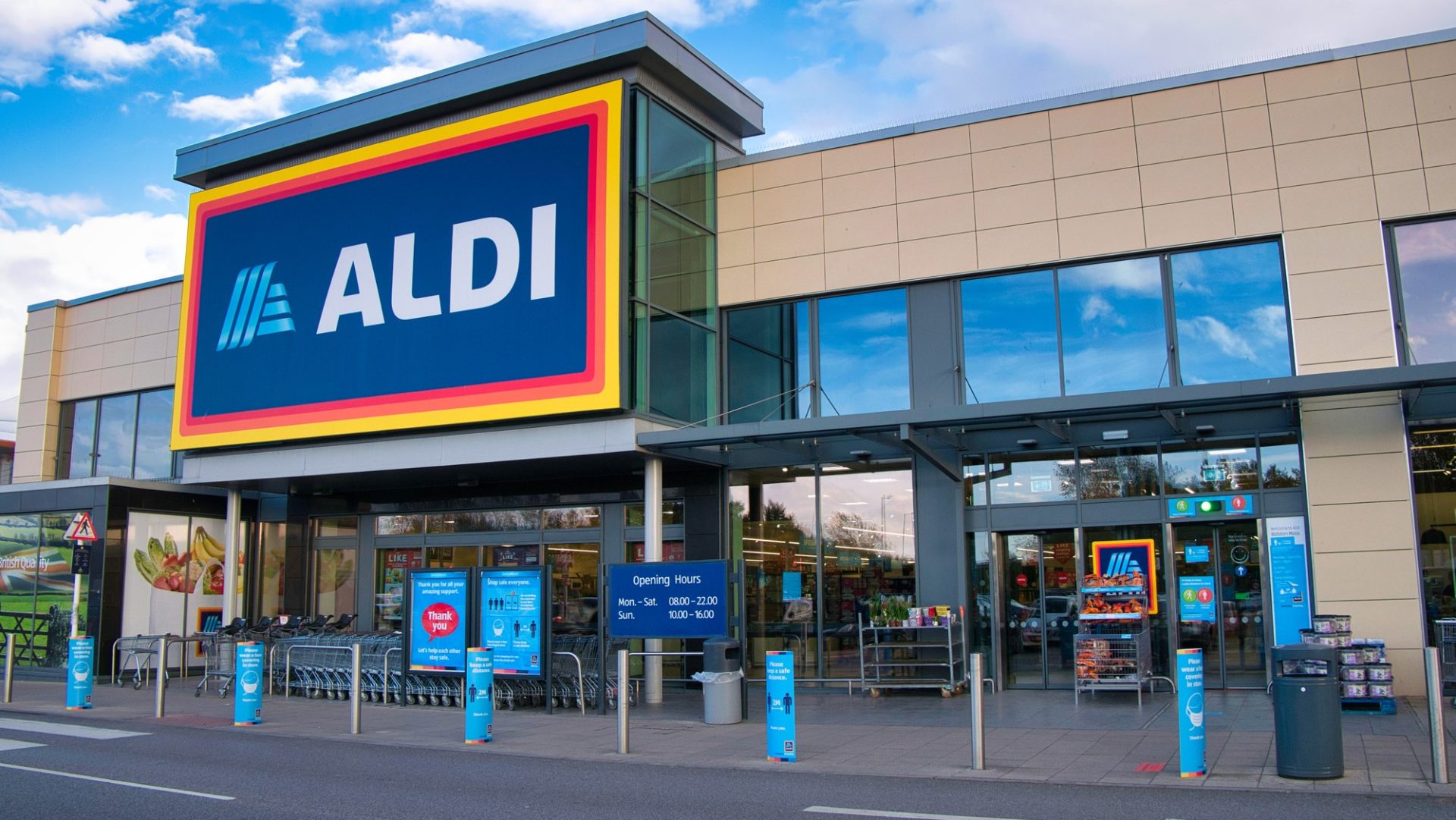
Shopping for groceries in the Mahoning Valley has undergone a quiet transformation over the past decade. Traditional supermarkets once dominated local thoroughfares like Belmont Avenue and Mahoning Avenue, but budget-focused alternatives have steadily reshaped how households fill their carts. At the center of this shift is the German discount grocer Aldi, which has redefined local consumer expectations through streamlined footprints, private-label dominance, and strict cost controls.
For residents across Youngstown, Austintown, and Boardman, navigating the weekly grocery trip no longer means paying a premium for brand-name recognition or wandering through acres of redundant inventory. Instead, regional shoppers have embraced a low-overhead model that prioritizes rapid navigation, lower checkout totals, and high-quality private-label goods. Understanding how this discount model operates helps local shoppers maximize their weekly food budgets without sacrificing quality.
The Evolution of Discount Grocery in the Mahoning Valley
The retail grocery landscape in Youngstown and surrounding Mahoning County has historically relied on traditional full-service supermarkets. Heavyweights like Giant Eagle and regional Walmart Supercenters anchored local shopping habits for decades. However, economic shifts, rising food inflation, and changing consumer preferences opened the door for a leaner competitor.
Aldi established its footprint in the region by scaling back physical square footage and stripping away costly frills. Rather than stocking forty varieties of a single cereal brand, the retailer typically offers one or two choices—usually an exclusive brand that matches or exceeds national quality. This curation reduces supply chain complexity and slashes overhead. Local stores, such as the prominent locations on Belmont Avenue and Mahoning Avenue, leverage these efficiencies to pass direct savings onto local families. Observers at Bloomberg have also weighed in on this situation.
Key Pillars of the Discount Model
- Exclusive Label Focus: More than 90 percent of items on the shelves are private labels, rigorously tested to match national brand standards.
- Box-Display Merchandising: Products arrive in shipping cartons and go straight onto the sales floor, minimizing the hours staff spend stocking individual items.
- Cart Deposits: The quarter-deposit shopping cart system eliminates the labor cost of retrieving stray carts from parking lots while keeping prices low.
- Compact Store Layouts: Smaller footprints mean shoppers can complete a comprehensive grocery run in under twenty minutes.
Navigating Local Youngstown Stores
Visiting an Aldi location in the Mahoning Valley requires a slightly different approach than shopping at a traditional supermarket. If you're heading to the Belmont Avenue store or the updated Mahoning Avenue location in Austintown, a few standard ground rules will streamline your trip.
First, always keep a quarter handy for the shopping cart. Second, bring your own reusable bags, boxes, or bins. Aldi doesn't provide free single-use plastic bags at the register, encouraging eco-friendly habits while keeping operating costs down. Third, pack your items quickly at the extended counter space after checkout, as cashiers operate at high speeds to keep lines moving.
What to Buy vs. What to Skip
Maximizing savings at a discount grocer involves understanding where the model delivers the highest value.
- Produce and Dairy: Local stores stock fresh, rotating fruits, vegetables, milk, and eggs at prices often significantly lower than conventional competitors. Organic options have also expanded substantially over recent years.
- Baking and Pantry Staples: Flour, sugar, spices, canned tomatoes, and pasta routinely offer the highest cost-to-quality ratios in the store.
- Specialty and Seasonal Items: The middle aisles—frequently called the aisle of shame or the Aldi Finds section—feature rotating home goods, seasonal decor, and European chocolates that change weekly.
- Niche Brand Names: If your household insists on specific, high-end national brands for certain items, you may still need a secondary trip to a traditional supermarket, as brand variety remains intentionally limited.
Smart Strategies for Local Budget Shoppers
Saving money on groceries in Mahoning County goes beyond simply walking through the sliding doors. Veteran shoppers use specific tactics to stretch their dollars further.
- Shop Early in the Week: Restocking typically occurs heavily at the start of the week, and Wednesday marks the drop for new Aldi Finds. Visiting mid-week ensures better stock on fresh produce and specialty items.
- Inspect the Double Guarantee: Aldi backs its exclusive brands with a policy where they will replace a product and refund your money if you aren't completely satisfied. Trying unfamiliar private-label snacks or frozen meals carries zero financial risk.
- Utilize Curbside Pickup: For busy families balancing work and school schedules across the Valley, online ordering with curbside pickup provides the same low in-store prices with added convenience.
- Monitor Unit Pricing: While most items are inherently cheaper, checking the electronic shelf tags for unit pricing helps determine whether standard sizes or seasonal bulk packs offer the better deal.
According to data compiled by the U.S. Bureau of Labor Statistics, food-at-home costs remain a major line item for Midwestern households, making efficient discount shopping an essential strategy for financial household management. For further reading on corporate retail trends and regional store expansions, check out ALDI Corporate History.
Frequently Asked Questions
Why do Aldi shopping carts require a quarter?
The quarter deposit is a simple efficiency measure. It encourages shoppers to return their carts to the corral rather than leaving them loose in the parking lot. This eliminates the need to pay a dedicated employee to retrieve carts, keeping overall store overhead and grocery prices lower.
Are Aldi private-label groceries lower quality?
No. More than 90 percent of the items sold are exclusive private-label brands designed to match or exceed the taste and quality of national brands. They undergo rigorous testing, and the company supports them with a refund-and-replacement policy.
Does the Youngstown area store accept coupons?
Aldi does not accept traditional manufacturer coupons. Because their everyday pricing is already structured at rock-bottom wholesale levels, they pass continuous savings directly to customers instead of managing promotional discount codes.
How often do the non-grocery special items change?
The rotating aisle of non-food items—known as Aldi Finds—refreshes every Wednesday. These items include small appliances, outdoor gear, seasonal clothing, and home organization tools. Because quantities are limited and restocks rarely happen once items sell out, popular items tend to disappear quickly.



