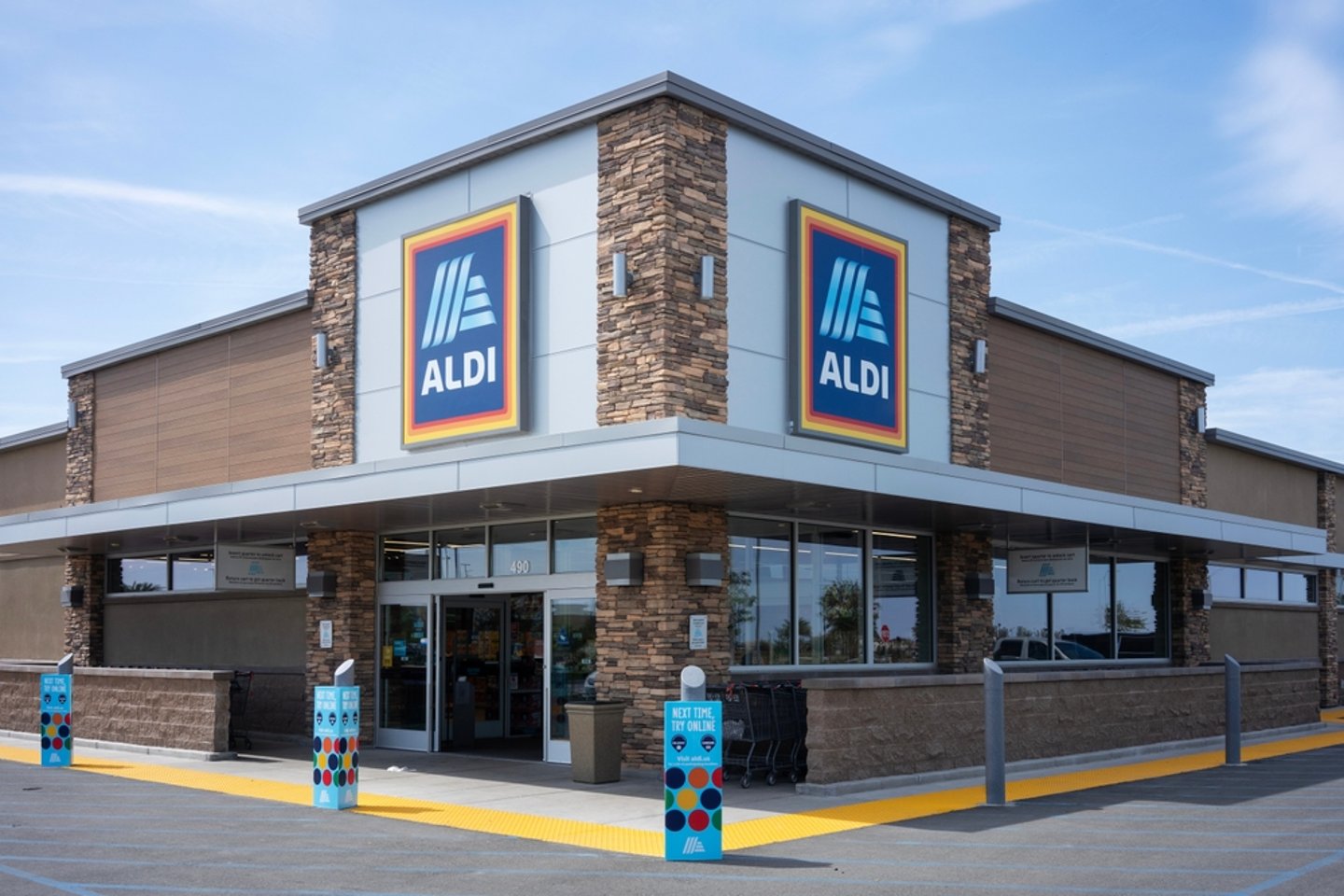
Aldi Nord's decision to exit the Danish market after forty-five years marks one of the most high-profile corporate retreats in European discount retail history. When the company published its official withdrawal announcement, it signaled the end of a long struggle with chronic unprofitability, fierce domestic competition, and a structural mismatch with local consumer habits. Rather than maintaining a loss-making network of stores, leadership opted for a calculated wind-down, selling the majority of its footprint to Norwegian competitor Rema 1000 and redistributing capital to more lucrative growth regions.
Understanding why this strategic withdrawal happened requires looking past corporate PR statements. The Danish grocery sector is notoriously consolidated, dominated by domestic heavyweights and aggressive foreign discounters. For Aldi Nord, the exit wasn't a sudden reaction to a single bad fiscal year; it was the inevitable conclusion of a decades-long margin squeeze where scale couldn't offset operational inefficiencies.
The Historical Context of Aldi's Entry and Long-Term Struggles
Aldi Nord entered Denmark in 1977, introducing the hard-discouraging model to a Scandinavian market accustomed to traditional cooperative supermarkets. Initially, the novelty of deep-discount private labels drew curious shoppers. However, the brand struggled to embed itself into the cultural fabric of Danish consumer behavior.
Unlike Germany or other core European markets where hard discounters enjoyed swift and universal adoption, Danish consumers placed a higher value on fresh bakery sections, organic produce certifications, and broader brand variety—areas where early Aldi stores lagged. Over the decades, market entry by alternative operators intensified the pressure. By the time Aldi attempted major store modernizations and upscale redesigns, consumer perception was already locked in.
Financial reports from the final years before the exit highlighted unsustainable losses. In 2021, the Danish division recorded revenues of approximately 630 million euros against net losses of 46 million euros. Operating nearly 190 stores without achieving market-leading density or supply chain efficiencies left executive leadership with no viable path to profitability.
Core Drivers Behind the Calculated Withdrawal
Several distinct economic and strategic pressures forced the hand of Aldi Nord management, leading directly to the 2022 press release.
- Intense Domestic Consolidation: The Danish grocery market is heavily controlled by established players like Salling Group and Coop Danmark, alongside efficient foreign operators like Lidl and Rema 1000.
- Supply Chain and Scale Disadvantages: Operating fewer than 200 stores failed to provide the purchasing and logistics power necessary to compete with hyper-optimized regional competitors.
- Shifting Consumer Demands: Danish shoppers shifted rapidly toward sustainability, organic labels, and premium convenience items, forcing discounters to overhaul expensive supply chains.
- Capital Reallocation Imperatives: Retaining capital in a stagnant market drained resources better deployed in expanding Western European strongholds like Belgium or reinforcing the core German market.
The Asset Sell-Off and Transition Mechanics
Rather than executing a messy, sudden liquidation of stores, Aldi Nord structured a precise asset distribution agreement. The cornerstone of this strategy was an agreement with Reitan Retail, owner of Rema 1000, to acquire 114 of Aldi’s 188 Danish stores alongside three major distribution centers.
Subsequent agreements parceled out remaining locations to competitors such as the Salling Group, Lidl, and Coop. This phased divestment minimized brand damage, satisfied regulatory oversight, and secured employment transitions for roughly 1,750 out of the 2,800 local employees. By monetizing real estate leases and logistics hubs, Aldi Nord minimized total exit friction.
Broader Lessons for International Retail Expansion
The Danish retreat offers clear takeaways for multinational retailers attempting cross-border expansion in highly saturated markets.
First, brand heritage does not guarantee consumer loyalty. Retailers must adapt core value propositions to local cultural preferences rather than expecting foreign models to win purely on price. Second, sub-scale operations in grocery retail are financial sinkholes. If a discount operator cannot achieve top-tier market share and supply chain dominance quickly, the cost of sustained defense outweighs future upside.
Corporations eyeing international expansion must recognize when a market has reached structural impasse. Aldi Nord's pivot demonstrates that strategic retraction is sometimes the most financially disciplined choice available to executive management.
Frequently Asked Questions
When did Aldi announce its withdrawal from Denmark?
Aldi Nord officially announced its decision to exit the Danish market in December 2022, following years of continuous financial losses.
Who took over the closed Aldi stores in Denmark?
The Norwegian-owned discount chain Rema 1000 acquired the largest share—totaling 114 stores and three distribution centers—while other locations were sold to Salling Group, Lidl, and Coop.
Why couldn't Aldi achieve profitability in Denmark?
The business suffered from intense competition, low store density that prevented economies of scale, and a failure to capture local consumer preferences favoring organic and diverse product lines.
What happened to Aldi's employees in Denmark?
Out of approximately 2,800 local employees, around 1,750 secured ongoing employment through the transition deals negotiated with acquiring supermarket groups.



: Complete Survey Guide and Rewards](https://www.simpleeverydaymom.com/wp-content/uploads/2023/10/Pilgrim-Photo-Craft-for-Thanksgiving-image-559x1024.jpg)