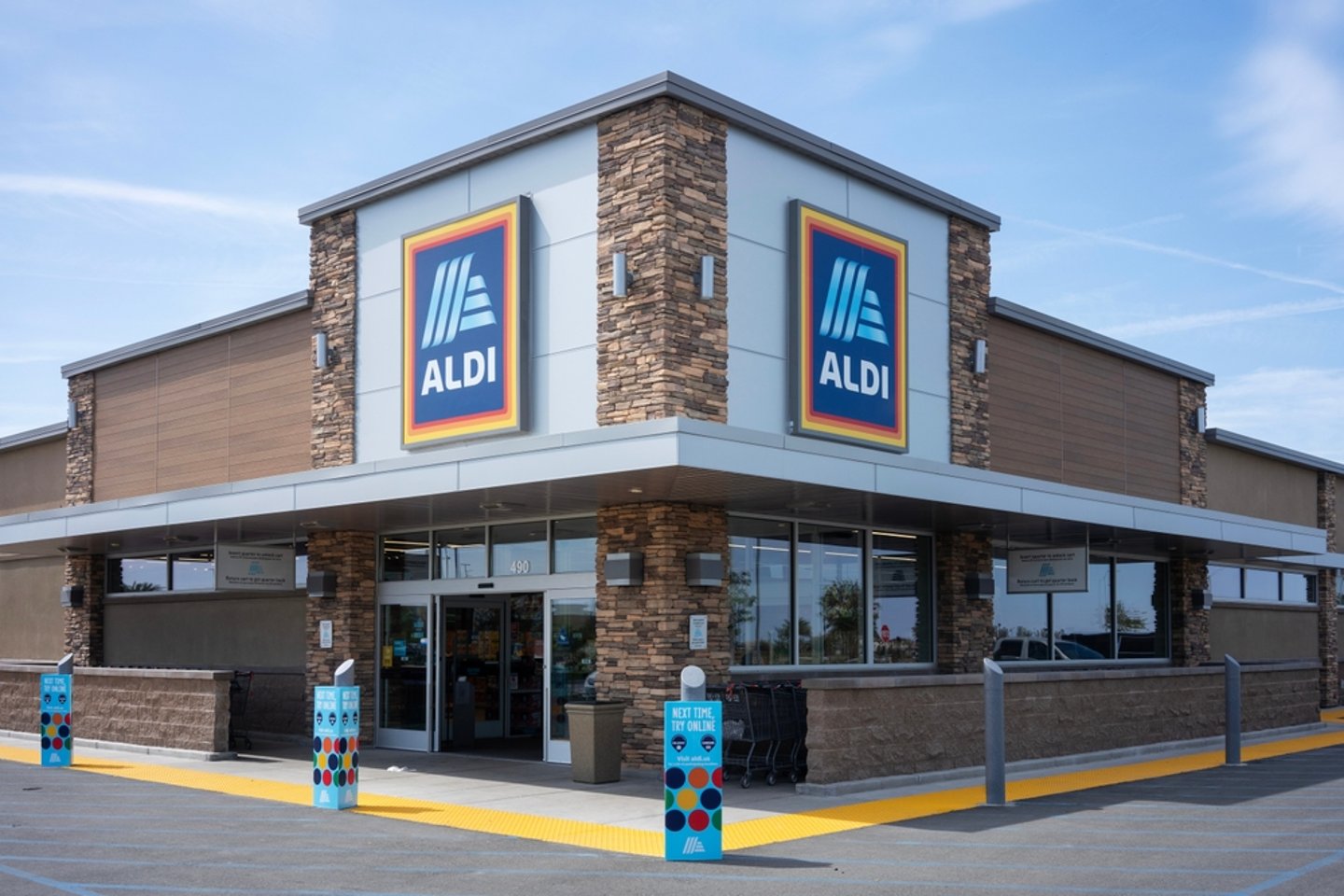
Finding a discount grocery store nearby shouldn't feel like a treasure hunt. Aldi operates more than 2,700 stores across 42 states, scaling up its footprint through rapid regional expansions and strategic acquisitions. Whether you're moving to a new state or planning a weekly budget run, knowing how the store network is structured helps you locate the closest market without friction.
The German-rooted discount chain manages its massive footprint through regional divisions rather than a single centralized office. From Florida up to New England and across to Southern California, knowing where stores cluster and how to check live availability saves you wasted trips.
The National Footprint and Regional Strength
Aldi concentrates its store density heavily in the Midwest, the East Coast, and parts of the South. While the brand started its American journey in southeastern Iowa back in 1976, its strongest market saturation today centers around states like Florida, Illinois, Ohio, and Pennsylvania.
- The Midwest Core: Illinois and Ohio anchor the historical midwestern stronghold, boasting hundreds of locations embedded in both major metropolitan hubs and mid-sized county seats.
- The Sunbelt Expansion: Florida holds one of the highest state store counts, bolstered by steady population growth and corporate acquisitions like the integration of former Southeastern Grocers properties.
- The Coastal Growth: Recent years brought aggressive pushes into the Northeast, covering New York, New Jersey, and New England, alongside steady development in Southern California.
If you live in states like Washington, Oregon, Utah, or mountain regions like Wyoming and Montana, you won't find local stores yet. The company builds its logistics network around regional distribution centers, meaning new states open up only when supply chains can support them. You can check the official Aldi US Store Locator to verify real-time ZIP code coverage near you.
How to Find Your Closest Aldi Store
Relying on out-of-date maps or generic search engine results often leads to abandoned parking lots or planned sites that haven't broken ground. Use these practical methods to pinpoint active storefronts:
- Use the Official Store Finder: Navigate directly to the store locator on Aldi US and enter your postal code. This tool displays exact street addresses, daily operating hours, and whether the location offers curbside pickup or delivery.
- Check Regional Division Updates: Aldi operates roughly 26 distinct operational divisions across the country. Each division manages supply chains for specific clusters of states. If a new market opens up near you, checking local municipal zoning news often reveals upcoming store openings months before national press releases drop.
- Map Out Alternate Shopping Options: If you live on the edge of an Aldi territory boundary, you might find that a store sits just across state lines or in a neighboring county serviced by a different logistics hub.
What to Expect Inside an Aldi Store Layout
If you've never shopped at the chain, understanding the physical layout helps you navigate quickly. Aldi stores are notably smaller than traditional supermarkets, typically averaging around 12,000 square feet of retail space.
- Streamlined Aisles: Instead of stocking forty variations of a single condiment, Aldi typically carries just one or two options—usually their exclusive private label brand alongside a national name-brand equivalent. This cuts down browsing time.
- The Quarter Cart System: To keep operational costs low and prices down, shopping carts are locked together in the corral. Inserting a 25-cent coin unlocks a cart, which you get back when you return it. Always keep a quarter handy in your car console.
- Bring Your Own Bags: Cashier counters are designed for speed, and bagging is self-service at a dedicated counter past the register. Pack reusable tote bags or cardboard boxes in your trunk before heading out.
Common Mistakes When Searching for Aldi Locations
Navigating discount grocery chains comes with a few common pitfalls. Avoiding these mistakes saves you time and frustration:
- Trusting Static Third-Party Directories: Old blog posts and scraped business directories often list stores that have relocated or closed. Always cross-reference addresses with the official brand site.
- Confusing Pickup with Delivery: Not every physical store supports curbside pickup. Check the digital app filters before filling your cart online.
- Assuming Statewide Coverage: In large states like Texas or California, stores are clustered tightly around major metros like Houston, Dallas, or Los Angeles, while rural counties might be hours away from the nearest branch.
Frequently Asked Questions
How many Aldi stores are currently open in the US?
The chain operates more than 2,700 locations across 42 states, with ongoing expansion efforts adding new stores every year.
Why are there no Aldi stores in my state?
Aldi opens stores only within range of its regional distribution centers. If your state lacks a logistics hub, you likely won't see a location until the company expands its supply chain infrastructure into your region.
Do all Aldi locations accept credit cards?
Yes. All US locations accept major credit cards, debit cards, contactless payments like Apple Pay and Google Pay, and EBT/SNAP benefits.
Are Aldi and Trader Joe's the same company?
They operate as entirely separate corporate entities today. While both trace their roots to the Albrecht family retail businesses in Germany, they have operated under independent ownership and management for decades.



