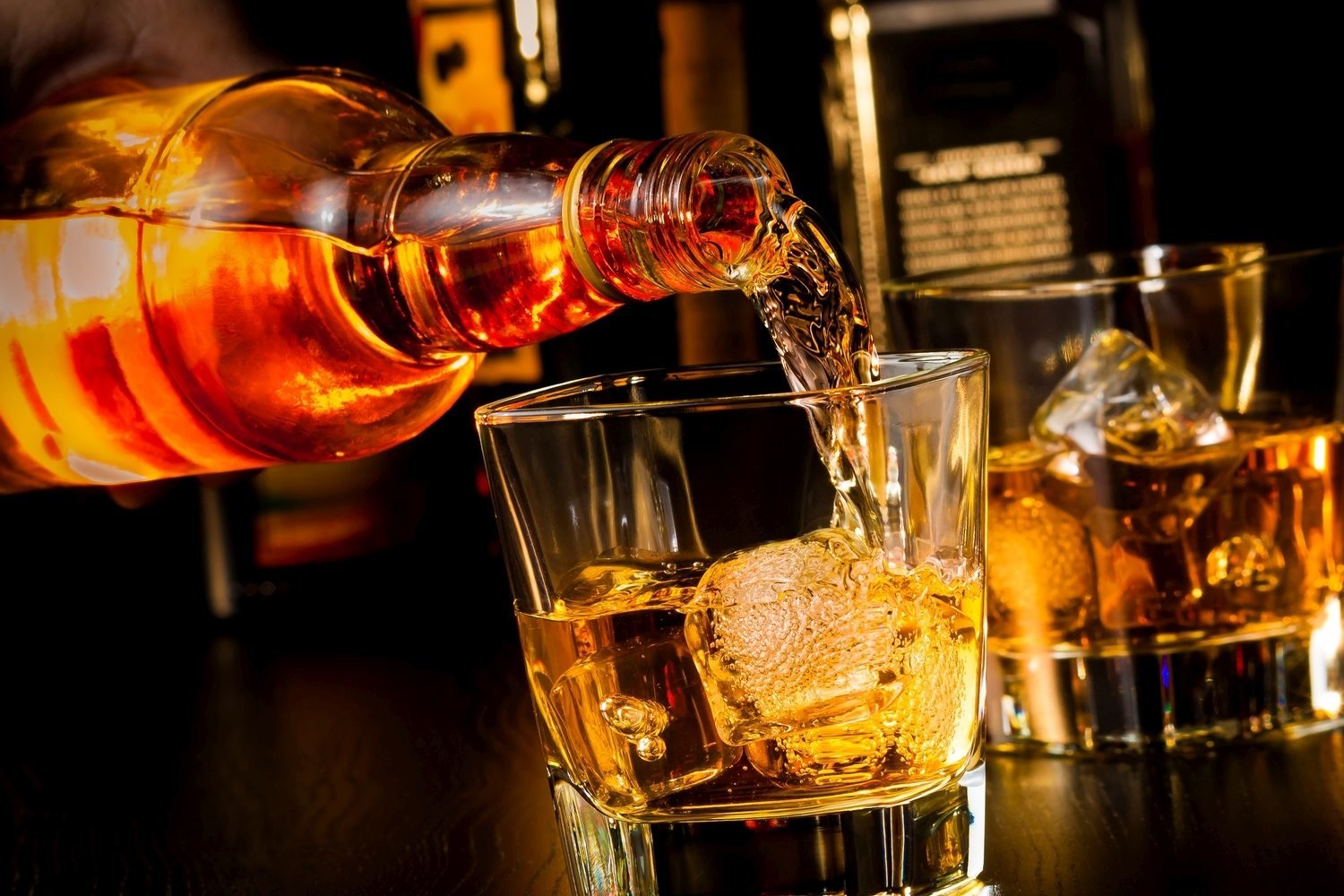
When you wake up with a pounding headache and a burning stomach, reaching for a roll of antacids feels like second nature. Enter the latest nightlife trend: specialized chewable tablets marketed explicitly as "Alcohol Tums," designed to neutralize acid while throwing in vitamins to combat a rough morning. But do these products actually help you recover, or are they just a marketing spin on standard calcium carbonate?
The short answer is that while these tablets can soothe an irritated stomach lining, they don't speed up alcohol metabolism, lower your blood alcohol concentration, or prevent a hangover. Understanding how these products interact with your digestive system separates smart recovery habits from dangerous misconceptions about drinking.
How Alcohol Irritates the Digestive Tract
To understand why people pop antacids after a night out, you have to look at what ethanol does to the gastrointestinal system. Alcohol relaxes the lower esophageal sphincter, which is the muscular valve that keeps stomach contents from creeping back up. When this valve weakens, gastric acid flows freely into the esophagus, causing the burning sensation known as heartburn.
Beyond reflux, alcohol stimulates the stomach to produce excess hydrochloric acid. It also irritates the mucosal lining of the stomach itself. This dual assault leads to nausea, bloating, and that sour, acidic taste in your mouth the next morning.
Traditional antacids like standard calcium carbonate tablets work by neutralizing that excess acid on contact. When you chew an antacid, the base raises the pH level in your stomach instantly, bringing fast temporary relief to the burning tissue.
The Marketing Claims vs. Biological Reality
Specialized post-drinking antacids go a step further than basic formulations. Brands often fortify their chewable tablets with ingredients like vitamin B6, magnesium, prickly pear extract, and milk thistle. The pitch is simple: neutralize the acid while your liver gets a nutritional boost.
However, a major psychological trap emerges here. Many consumers mistake physical comfort for sobriety. Because the tablet eliminates the burning chest pain, users might feel deceptively functional.
Your liver processes alcohol at a fixed, steady rate determined by your enzymes and body weight—roughly one standard drink per hour. No chewable tablet, vitamin blend, or herbal extract can alter this metabolic timeline. Popping an antacid before or during a heavy drinking session won't make you sober faster, nor will it protect you from alcohol poisoning.
What Is Actually Inside These Enhanced Tablets?
While the marketing copy sounds high-tech, the ingredient profile usually relies on a mix of standard acid buffers and mild herbal supplements. Here is what you are actually chewing:
- Calcium Carbonate: The primary active base that neutralizes stomach acid by reacting with hydrochloric acid to form water, calcium, and carbon dioxide.
- Vitamin B6 (Pyridoxine): A water-soluble vitamin often depleted by regular alcohol consumption, included to support standard cellular metabolism.
- Prickly Pear Extract: Derived from the nopal cactus, studies suggest it may help reduce acute nausea and dry mouth symptoms.
- Milk Thistle: Contains an active antioxidant compound called silymarin, though the small dose found in a chewable tablet is largely symbolic compared to clinical trials.
- Ginger Root: A well-known natural antiemetic that stimulates saliva and eases stomach spasms.
While these ingredients are generally safe, taking high doses of calcium carbonate can lead to rebound acidity. When your stomach senses a sudden spike in pH, it can overcompensate by producing even more acid once the tablet wears off.
Safer, Proven Strategies for Post-Drinking Recovery
Relying on an antacid addresses only one minor symptom of a much larger systemic issue: dehydration, electrolyte loss, and acetaldehyde accumulation. If you want to minimize morning-after misery, focus on proven physiological needs rather than quick fixes.
First, prioritize hydration before sleep. Alcohol is a powerful diuretic that inhibits vasopressin, a hormone that tells your kidneys to retain water. For every alcoholic beverage you consume, your body flushes out significantly more fluid, leading to cellular dehydration. Drinking a large glass of water with electrolytes before bed does far more for your recovery than any specialized chewable.
Second, eat a balanced meal containing complex carbohydrates and healthy fats before or while drinking. Food slows down the rate at which alcohol empties into the small intestine, blunting the initial spike in blood alcohol concentration and reducing acute irritation to the stomach lining.
You can read more about safe consumption guidelines and alcohol metabolism through the National Institute on Alcohol Abuse and Alcoholism. For a deeper look at how over-the-counter medications affect the digestive tract, check resources provided by the American Gastroenterological Association.
Frequently Asked Questions
Can I take an antacid before I start drinking to prevent a hangover?
No. Taking an antacid beforehand will only neutralize existing or immediate stomach acid. It does not line your stomach, absorb alcohol, or prevent the ethanol from entering your bloodstream and causing a hangover.
Do enhanced antacids cure nausea?
Ingredients like ginger and prickly pear can offer mild relief for an upset stomach, but they won't stop a full systemic hangover caused by dehydration and sleep disruption.
Are there risks to taking too many alcohol antacids?
Yes. Overconsuming calcium carbonate can lead to constipation, gas, and a rebound effect where your stomach produces extra acid. Long-term overuse can also interfere with how your body absorbs vital minerals and medications.
What is the most effective way to handle post-drinking heartburn?
If you experience occasional acid reflux after drinking, a standard antacid is fine for temporary relief. However, the best preventative approach is moderating your intake, avoiding dark liquors known to worsen symptoms, and drinking plenty of water.



