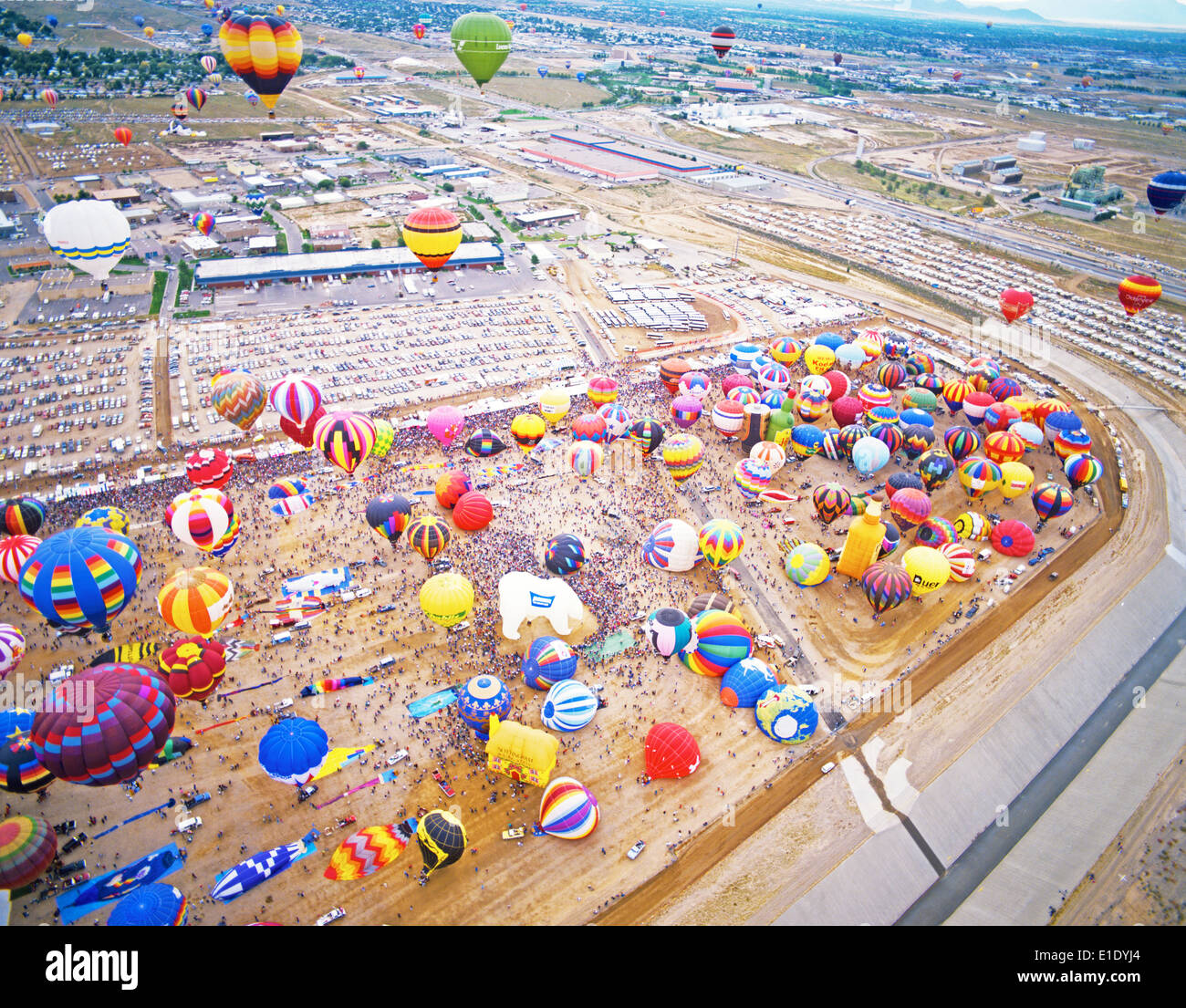
Downtown Albuquerque is undergoing a profound structural shift. For decades, the historic core wrestled with shifting commercial footprints and declining foot traffic. Today, public agencies, private investors, and local creators are repurposing old spaces into a dense center for technology, arts, and urban living. This evolution relies on adaptive reuse rather than wholesale demolition, preserving the architectural character of Route 66 while introducing modern economic engines.
At the center of this transformation is a deliberate pivot toward mixed-use zoning, innovation districts, and cultural placemaking. City planners and community coalitions aren't just patching up old storefronts; they're rewriting how the urban core functions for residents, entrepreneurs, and visitors alike. Understanding this evolution requires looking closely at the specific projects, policy shifts, and economic mechanics driving the new downtown identity.
The Roots of Change: From Commercial Center to Innovation District
The transformation of downtown starts with infrastructure designed to retain local talent. For years, graduates from regional institutions like the University of New Mexico often left the city for larger metropolitan job markets. City leaders recognized that a thriving urban core needed immediate career ecosystems.
Projects like Innovate ABQ anchor this strategy. Situated on a multi-acre site downtown, this collaborative research and entrepreneurial hub bridges academic research with commercial enterprise. It houses wet labs, startup incubators, and co-working spaces that keep tech talent inside city limits. By embedding high-tech research right into the historic grid, the district blends historical identity with future-facing industries.
Private investment has matched public vision. Developments such as the mixed-use projects near Presbyterian Hospital bring housing, retail, and hospitality directly into active commercial corridors. These spaces break up traditional zoning layouts, ensuring that people can live, work, and shop within the same few blocks without relying entirely on personal vehicles.
Cultural Placemaking and Historic Preservation
Urban revitalization fails when it erases local identity. Downtown Albuquerque avoids this trap by leaning heavily into its unique heritage, specifically its deep roots along Route 66 and its vibrant arts community. The Downtown Albuquerque MainStreet and Arts & Cultural District actively coordinates public art installations, historic building rehabilitations, and community programming that celebrate New Mexico's distinct cultural footprint.
Instead of sterile modern high-rises, the district prioritizes adaptive reuse. Historic commercial structures along Central Avenue are finding new life as loft apartments, independent galleries, and specialty food halls. This approach protects architectural touchstones while upgrading building safety, energy efficiency, and telecommunications infrastructure.
Public art plays an equally functional role. Initiatives like temporary light-based art installations and curated mural programs turn pedestrian corridors into engaging outdoor galleries. This continuous injection of color and light shifts public perception, making the streets feel safer, more walkable, and deeply welcoming after dark.
Policy Tools Driving the Modern Urban Core
Physical construction only happens when financial frameworks support it. The City of Albuquerque utilizes targeted municipal tools to catalyze private investment in the urban core.
- Metropolitan Redevelopment Area (MRA) Designations: These boundaries allow the city to target grants, streamline planning reviews, and offer boutique business assistance to property owners willing to rehabilitate vacant or underutilized parcels.
- Tax Increment Financing (TIF): Updated state legislation allows TIF districts to capture incremental tax revenue within approved redevelopment zones, generating dedicated funding streams for public infrastructure, streetscaping, and parking enhancements.
- The Downtown 2050 Plan: Shaped through extensive public outreach, this comprehensive framework sets clear guidelines for housing density, transit connections, and open spaces, giving developers long-term regulatory predictability.
To support these investments, the City of Albuquerque Metropolitan Redevelopment Agency works alongside community groups to implement the Downtown 2050 Plan, ensuring that growth aligns with the actual needs of local residents and business owners.
Mobility, Connectivity, and the Rail Trail
A successful innovation hub requires seamless connectivity. Visitors and residents need to move between neighborhoods without navigating endless parking bottlenecks. The ongoing development of the ABQ Rail Trail is central to this effort. This multi-use trail network connects Downtown Albuquerque directly to historic areas like Old Town, creating a continuous pedestrian and bicycle corridor.
Complementing the trail is a strategic overhaul of downtown parking and wayfinding. Recent municipal parking studies focus on establishing a "park once" environment. Drivers arrive, park in structured facilities, and explore the rest of the district on foot or via transit. Clear new wayfinding signage and digital mapping tools reduce friction, helping newcomers discover hidden cafes, creative spaces, and local businesses.
Common Mistakes in Urban Core Transformations
Revitalizing a historic downtown is complex, and cities across the country often stumble into predictable traps. Recognizing these missteps highlights why Albuquerque's current strategy takes a more measured approach.
- Over-reliance on single-use developments: Building only office towers or only residential blocks creates ghost towns after business hours. Albuquerque's emphasis on mixed-use zoning ensures constant activity throughout the day and night.
- Erasing local history for generic modernism: Wiping out historic architecture destroys a city's soul. Prioritizing adaptive reuse keeps the unique character of Route 66 intact while modernizing the interior mechanics of older buildings.
- Ignoring pedestrian and transit infrastructure: Pouring money into private buildings without upgrading sidewalks, lighting, and bike paths leads to car-choked streets. The integration of the Rail Trail and updated streetscaping directly counters this issue.
Frequently Asked Questions
What is the primary goal of the Downtown 2050 Plan?
The plan provides a long-term roadmap for housing, economic development, transportation, and public spaces within the downtown Metropolitan Redevelopment Area, ensuring cohesive and sustainable growth.
How are historic buildings being utilized in downtown Albuquerque?
Instead of being demolished, many historic commercial structures undergo adaptive reuse. They are converted into loft apartments, artist live-work spaces, restaurants, and tech co-working hubs.
What is Innovate ABQ?
Innovate ABQ is a dedicated innovation district situated in the heart of the city that brings together entrepreneurs, researchers, and students through research labs, incubators, and commercial spaces.
How does the ABQ Rail Trail impact downtown?
The multi-use trail physically links Downtown Albuquerque with surrounding historic areas like Old Town, encouraging non-motorized transit, exercise, and tourism across the urban core.



