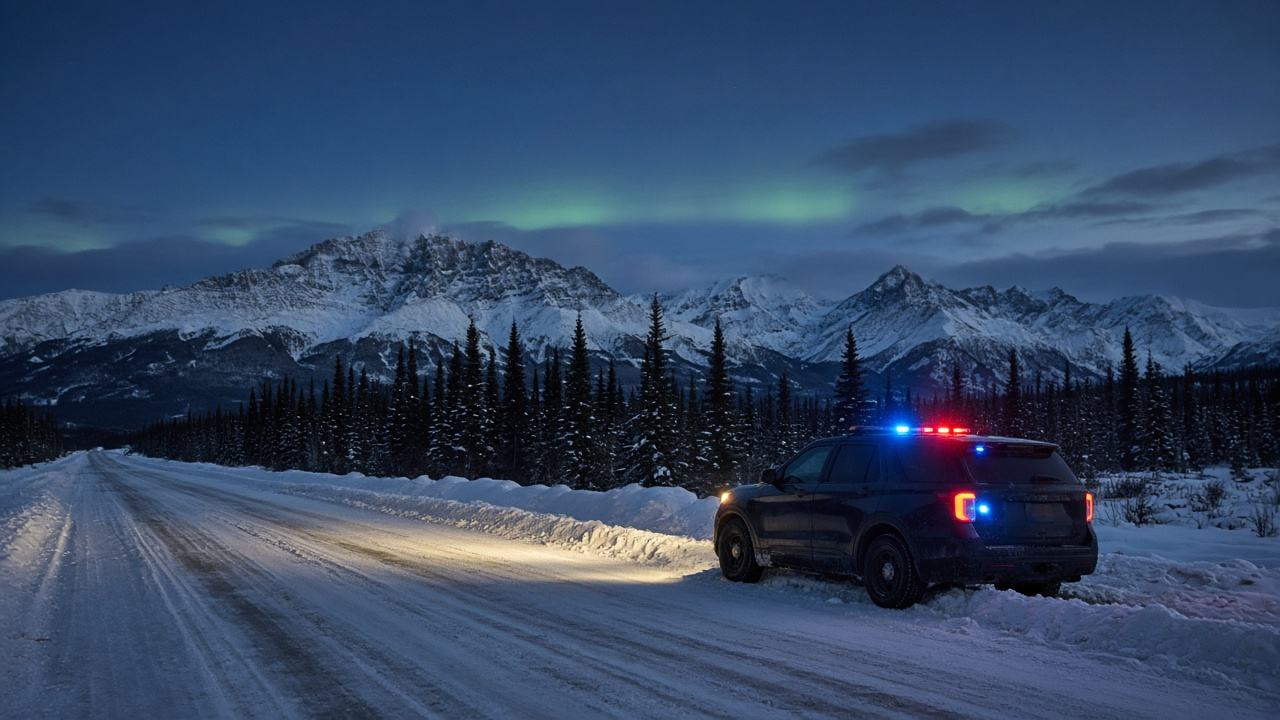
Melting polar ice is transforming the high north from a quiet scientific frontier into a high-stakes geopolitical arena. As receding ice packs open up new maritime routes and expose untapped natural resources, Russia has aggressively re-militarized its northern coastline. For the United States, responding to this shift requires a rapid rebuild of cold-weather combat capabilities, logistics, and infrastructure in Alaska.
The core search intent behind this geopolitical conflict centers on understanding how Moscow's forward deployment of military assets threatens Western interests, and how Washington, alongside its NATO allies, plans to re-establish deterrence in the Arctic. While competitors offer broad overviews, this analysis examines the exact military footprints, geographical choke points, and capability gaps defining the current Arctic standoff.
The Scope of Russian Arctic Militarization
Moscow views the high north as an essential pillar of national security and economic survival. Over the past decade, the Russian Federation has restored dozens of Soviet-era military installations along its northern perimeter, creating a heavily defended bastion known as the Northern Fleet.
This posture relies on three primary pillars:
- Infrastructure and Airfields: Russia has upgraded long-range air defense radar networks, rebuilt runway strips across remote island groups like Franz Josef Land and the New Siberian Islands, and positioned S-400 missile batteries to create anti-access/area-denial bubbles.
- Icebreaker Dominance: Moscow operates a fleet of over forty icebreakers, including nuclear-powered vessels capable of breaking thick multi-year ice. This fleet keeps the Northern Sea Route open for commercial shipping and military maneuverability.
- Strategic Submarine Bases: The Kola Peninsula houses strategic nuclear submarines outfitted with intercontinental ballistic missiles, serving as a core element of Russia's second-strike nuclear deterrent.
By treating these waters as internal waterways, Moscow imposes strict transit fees, mandatory pilotage, and prior notification rules on foreign vessels moving through international straits, directly challenging freedom of navigation principles.
America and Allied Strategic Responses
For decades, Washington treated the polar region as a low-priority secondary theater. That calculus changed as Russian capabilities expanded and China declared itself a near-Arctic state, coordinating dual-use research and maritime exercises with Moscow.
The U.S. Department of Defense and partner nations have recalibrated their defensive postures through several concrete initiatives:
- The Alaskan Hub: Alaska remains the primary anchor for U.S. operations, hosting advanced fifth-generation fighter squadrons, early-warning radar systems, and thousands of active-duty personnel capable of rapid force projection.
- Expeditionary Mobility Exercises: Joint forces regularly test rapid deployment concepts, such as airlifting mobile rocket launchers and counter-fire radars into remote western Alaskan airstrips to demonstrate immediate crisis response.
- Reconstituting Surface Fleets: The U.S. Navy and Coast Guard are slowly expanding polar capabilities, addressing a historically depleted heavy icebreaker fleet that lagged far behind Russian numbers.
According to the U.S. Department of Defense Arctic Strategy, the primary objective is maintaining regional stability through a credible combat-credible deterrent, ensuring that adversaries cannot coerce neighbors or shut down vital maritime choke points.
Logistical Challenges in Extreme Latitudes
Operating military hardware north of the 66th parallel introduces extreme engineering hurdles. Equipment freezes, lubricants fail, and electronic systems degrade rapidly in sub-zero temperatures. Supply chains stretch thousands of miles from industrial heartlands, making logistical sustainment a massive vulnerability.
Furthermore, communication architectures struggle due to the curvature of the earth and the limitations of geostationary satellites at high latitudes. Both the U.S. and its allies are investing heavily in low-Earth orbit satellite constellations to secure reliable, real-time tactical data sharing across the polar cap. Without robust communication networks, coordinated defense maneuvers between Canada, Norway, and the United States remain severely restricted.
Frequently Asked Questions
Why is the Arctic becoming a military flashpoint now?
Receding sea ice driven by climate change has made previously impassable shipping routes navigable year-round, while exposing massive reserves of oil, gas, and critical minerals. This economic potential has drawn aggressive territorial claims and military competition among superpowers.
How close are the United States and Russia geographically in this region?
At their closest points across the Bering Strait, the U.S. mainland in Alaska and the Russian mainland are separated by only about 55 miles, while Russia's Big Diomede Island and America's Little Diomede Island sit just 2.5 miles apart.
What is the Northern Sea Route and why does it matter?
The Northern Sea Route runs along Russia's northern coast, cutting shipping times between Asian ports and European markets significantly compared to traditional routes through the Suez Canal. Russia attempts to control traffic here, triggering sovereignty disputes with nations demanding open international transit.
Where does Canada fit into the Arctic sovereignty equation?
Canada shares a massive northern border and faces identical defense vulnerabilities in the Northwest Passage. Through NORAD and joint Arctic training exercises, Canadian and U.S. forces coordinate shared early-warning radar grids and sovereign patrols to protect North American approaches.



