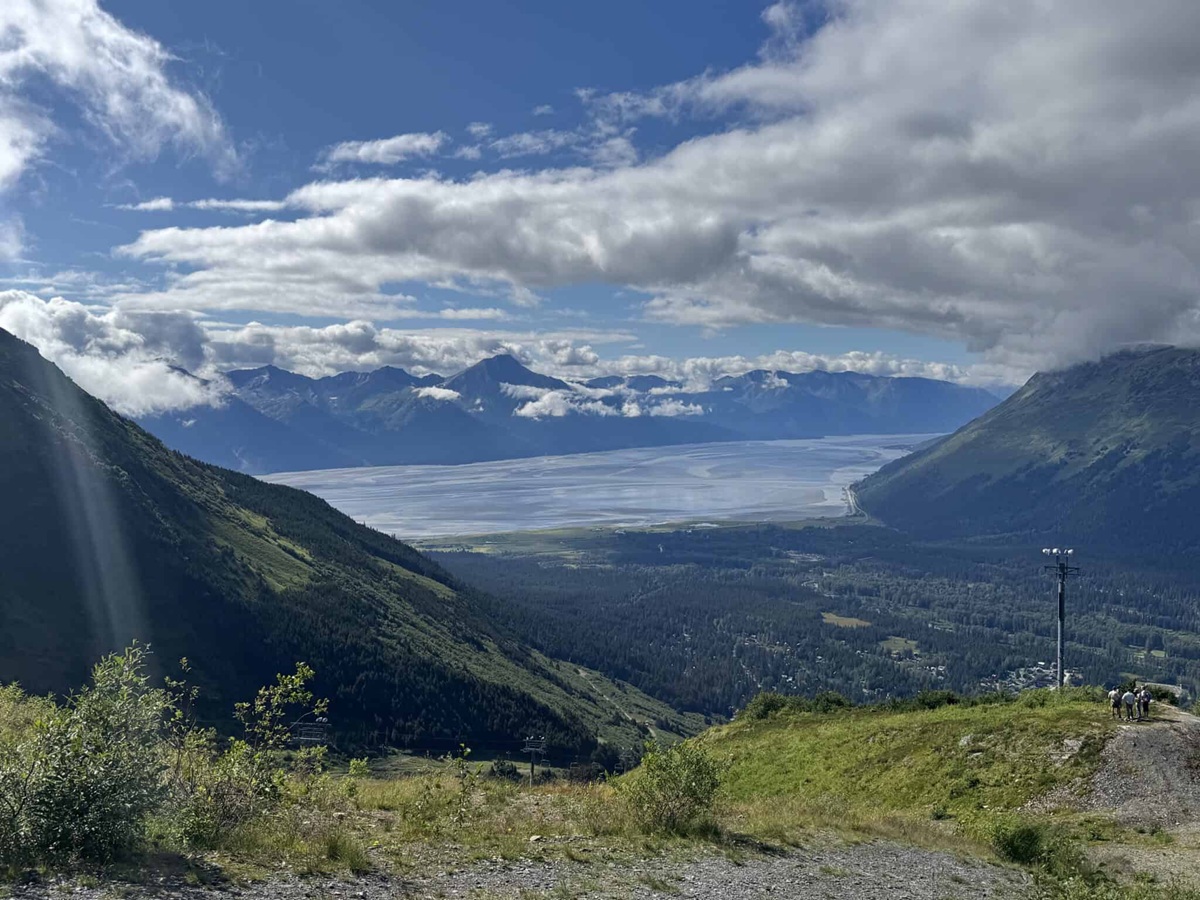
By 2046, Alaska sits at a profound crossroads. The state faces accelerating climate transformations that threaten legacy industries, while local communities and Indigenous governments push for a stronger voice in resource management and economic sovereignty. Navigating this future requires hard choices about infrastructure adaptation, energy diversification, and the legal frameworks governing northern lands.
The physical pressures on the region are immediate. Warming trends across the Arctic outpace global averages by more than double, reshaping ecosystems, coastlines, and human settlements. Long-term stability depends on how state leaders, Native corporations, and federal agencies respond to these mounting pressures before mid-century arrives.
The Physical Realities of a Warming North
The environmental baseline across northern latitudes is shifting rapidly. Permafrost degradation remains one of the most disruptive physical changes, threatening foundational support for roads, buildings, and industrial pipelines. As frozen ground thaws into mud, heavy infrastructure shifts, requiring expensive retrofits or complete relocations. Engineers now rely heavily on thermosyphons and elevated pilings to keep structures stable, but maintenance costs continue to climb across municipal and industrial budgets.
Coastal erosion compounds these structural threats. Diminishing sea ice leaves northern and western shores exposed to intense autumn storm surges. Communities like Newtok and Shishmaref face multi-million-dollar relocation efforts as rising waters swallow ancestral lands. These movements force difficult conversations about managed retreat, funding mechanisms for climate refugees, and the preservation of historical settlements.
- Infrastructure Vulnerabilities: Thawing foundations, buckled highways, and compromised pipeline anchors.
- Coastal Pressures: Loss of protective sea ice packs, intensifying storm surges, and rapid shoreline loss.
- Ecosystem Shifts: Changing animal migration routes affecting traditional hunting and fishing practices.
Economic Diversification and the Energy Evolution
Alaska's financial foundation has relied on petroleum extraction for decades. State revenues, public services, and dividend programs have historically tracked the fortunes of North Slope crude. However, global shifts toward clean energy and decarbonization policies create intense fiscal pressure to diversify.
While extraction projects like the Willow development continue to move forward under federal permits, long-term fiscal stability requires moving beyond a single-commodity economy. The state holds substantial untapped potential in alternative sectors:
- Wind Integration: Coastal communities increasingly install wind turbines to offset expensive diesel generators.
- Geothermal Potential: Volcanic regions along the Aleutian chain offer reliable baseload geothermal electricity.
- Critical Minerals: Deposits of copper, nickel, and rare earth elements position the state as a key supplier for global tech and renewable supply chains.
Managing this economic pivot involves retraining a skilled workforce. Workers from oilfield services can transition smoothly into renewable installation, grid modernization, and environmental remediation if public-private training programs receive consistent funding.
Indigenous Sovereignty and Co-Management Frameworks
The legal and political landscape of northern lands is defined by unique governance structures, notably shaped by the Alaska Native Claims Settlement Act (ANCSA). By 2046, regional and village corporations wield substantial economic power, but the push for true sovereignty extends far beyond corporate balance sheets.
Tribal governments demand a larger voice in environmental oversight and land-use decisions. The modern approach emphasizes free, prior, and informed consent, moving past simple public comment periods toward genuine co-management agreements. When state and federal agencies partner with Native leadership on fisheries management, wildlife conservation, and emergency response, outcomes tend to be more sustainable and locally supported.
For example, collaborative fisheries management in the Yukon-Kuskokwim Delta demonstrates how traditional ecological knowledge combined with modern marine science can protect collapsing salmon runs. Respecting these governance rights ensures that economic development does not repeat past patterns of extraction without local benefit.
Strategic Priorities for the Next Two Decades
Preparing for 2046 requires concrete policy choices rather than abstract projections. State planners, municipal leaders, and industry operators must focus on several practical pillars:
- Proactive Infrastructure Hardening: Updating building codes to account for shifting permafrost before structural failures occur.
- Decentralized Microgrids: Expanding solar, wind, and battery storage in rural hub communities to reduce reliance on expensive imported diesel.
- Equitable Revenue Sharing: Ensuring that new mineral and energy developments directly support local infrastructure and climate adaptation funds.
You can track regional climate adaptation data and policy updates through the Alaska Center for Climate Assessment and Policy to understand how local researchers model these changing conditions. Federal policy shifts can also be monitored via the U.S. Department of the Interior regarding public lands management in the Arctic.
Frequently Asked Questions
What are the main economic drivers replacing oil in Alaska?
While oil remains significant, the economy is gradually diversifying into critical mineral mining for clean technologies, commercial fisheries, tourism, and federal defense investments. Renewable energy projects and green infrastructure also provide growing employment sectors.
How are rural Alaskan communities funding climate relocation?
Funding remains a major bottleneck. Communities currently rely on a patchwork of federal disaster relief grants, specialized agency programs from entities like the Federal Emergency Management Agency (FEMA), and state appropriations, though advocates argue a dedicated federal relocation fund is necessary.
What role do Alaska Native Corporations play in land management?
Alaska Native Corporations own over 44 million acres of land and subsurface rights. They operate as for-profit businesses while working alongside tribal governments and state authorities to balance commercial development with cultural preservation and subsistence rights.
How does permafrost thaw affect industrial projects?
Thawing permafrost destabilizes the solid ground required to anchor heavy structures. Industrial operators must utilize advanced cooling pilings, insulate pad foundations, and redesign pipeline supports to prevent costly environmental leaks and structural collapses.


