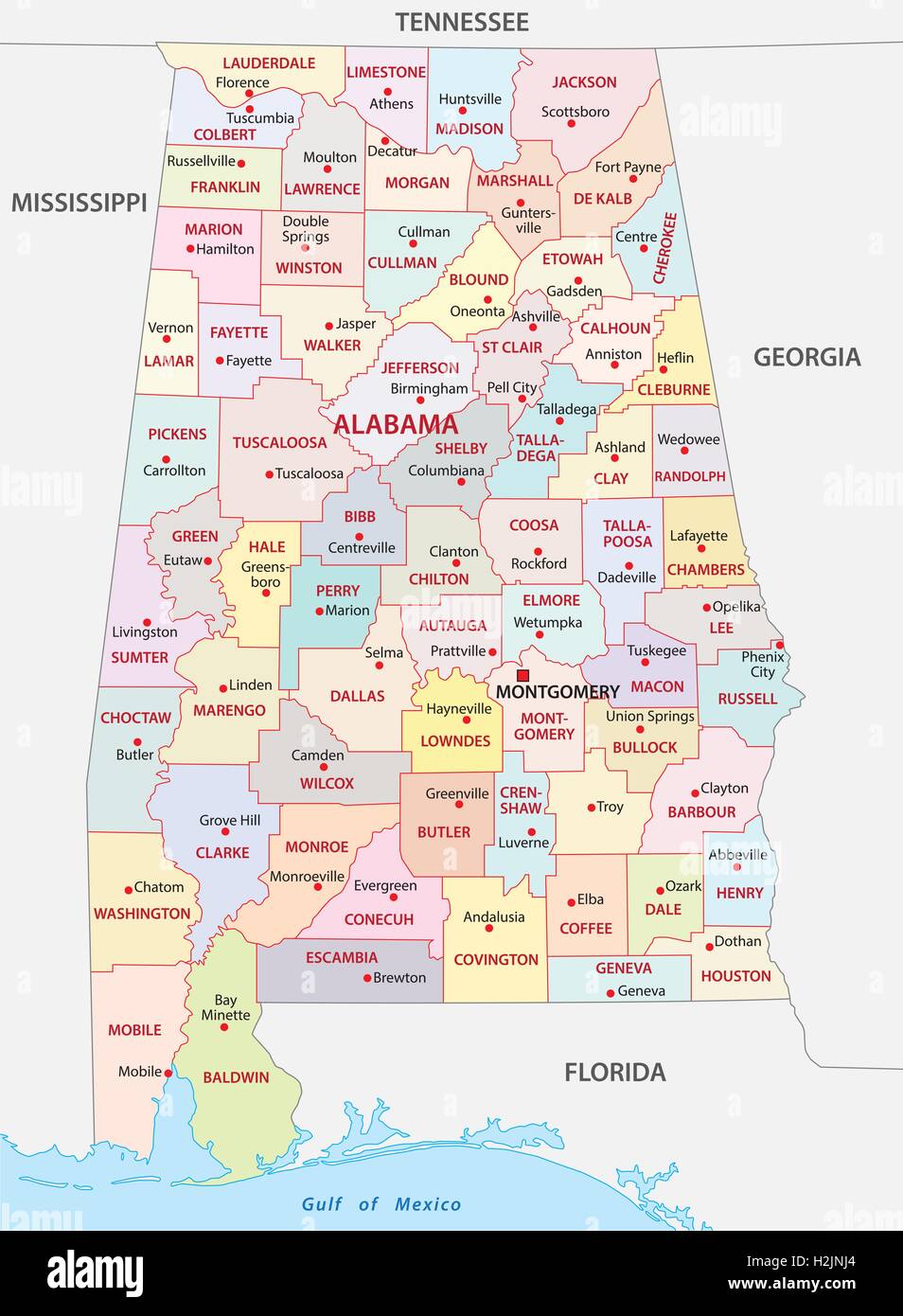
Most of Alabama operates on the Central Time Zone, sitting six hours behind Coordinated Universal Time during standard months and five hours behind when seasonal clocks shift forward. If you're scheduling a call with someone in Birmingham, Huntsville, or Montgomery, you're looking at Central Standard Time (CST) or Central Daylight Time (CDT).
Yet, treating the entire state as a single-zone entity leads to missed appointments. Several communities along the eastern border unofficially or officially align with the Eastern Time Zone, creating a localized patchwork that catches travelers off guard. Understanding how these boundaries function prevents scheduling errors and travel confusion.
The Core Standard: Central Time Across Most of Alabama
The vast majority of the state, spanning major population centers like Mobile, Huntsville, Birmingham, and Tuscaloosa, follows Central Time.
- Standard Offset: UTC-6 (Central Standard Time)
- Daylight Offset: UTC-5 (Central Daylight Time)
- Observance: Observes seasonal clock adjustments under federal guidelines.
When the United States transitions to standard time in autumn, clocks move back one hour. During the spring, clocks move forward. This standard applies to roughly 99 percent of the state's geographic area and economy.
Official state governance, commercial banking, and statewide transportation systems operate primarily on this Central schedule, regulated federally by the Department of Transportation.
The Eastern Time Exception in East Alabama
While the state is predominantly Central, a narrow strip along the border with Georgia operates differently. Towns such as Phenix City (in Russell County), Lanett, and Valley (in Chambers County), along with parts of Lee County, sit directly in the economic orbit of Columbus and Atlanta, Georgia.
- Unofficial Alignment: Residents and businesses in these border towns frequently keep Eastern Time to match daily commutes, school systems, and retail operations across the Georgia state line.
- Legal Status: Officially, federal mapping places these regions within the Central zone boundary, but social and commercial synchronization forces a dual-time reality for locals.
If you travel through Russell or Chambers counties, don't be surprised if local storefronts open and close according to Atlanta time rather than Montgomery time.
Daylight Saving Time Rules in Alabama
Like nearly all U.S. states, Alabama follows the Uniform Time Act, shifting clocks twice a year.
- Spring Forward: On the second Sunday in March, clocks jump from 2:00 AM to 3:00 AM local time.
- Fall Back: On the first Sunday in November, clocks move from 2:00 AM back to 1:00 AM local time.
State lawmakers have occasionally introduced bills to lobby for permanent daylight saving time, but federal law prohibits states from enacting year-round shifts unilaterally. Therefore, Alabama shifts synchronously with the rest of the Central Time Zone.
Practical Impact for Travelers and Remote Workers
Working across state lines or scheduling virtual meetings with Alabamians requires checking exact city locations rather than assuming statewide uniformity.
- State Border Quirks: A traveler driving east from Auburn toward Columbus, Georgia, crosses an informal time threshold where digital devices might automatically flip ahead an hour depending on cellular tower pings.
- Business Hours: Standard corporate hours run from 8:00 AM to 5:00 PM CST/CDT. For colleagues on the East Coast (New York or Atlanta), Alabama is consistently one hour behind for most of the year.
Frequently Asked Questions
Does all of Alabama observe the same time?
No. While the vast majority of the state is on Central Time, communities along the eastern border near Georgia unofficially operate on Eastern Time for commercial and daily convenience.
Is Alabama currently on standard or daylight time?
Alabama shifts between Central Standard Time (UTC-6) and Central Daylight Time (UTC-5) depending on the time of year, following national daylight saving schedules.
How does Alabama time compare to New York?
Alabama is consistently one hour behind New York. When it is 9:00 AM in New York, it is 8:00 AM in Birmingham, Alabama.
Can individual cities in Alabama choose their own time zone?
No. Time zone boundaries are strictly regulated at the federal level by the Department of Transportation, though social adaptation in border towns creates localized dual-time habits.



