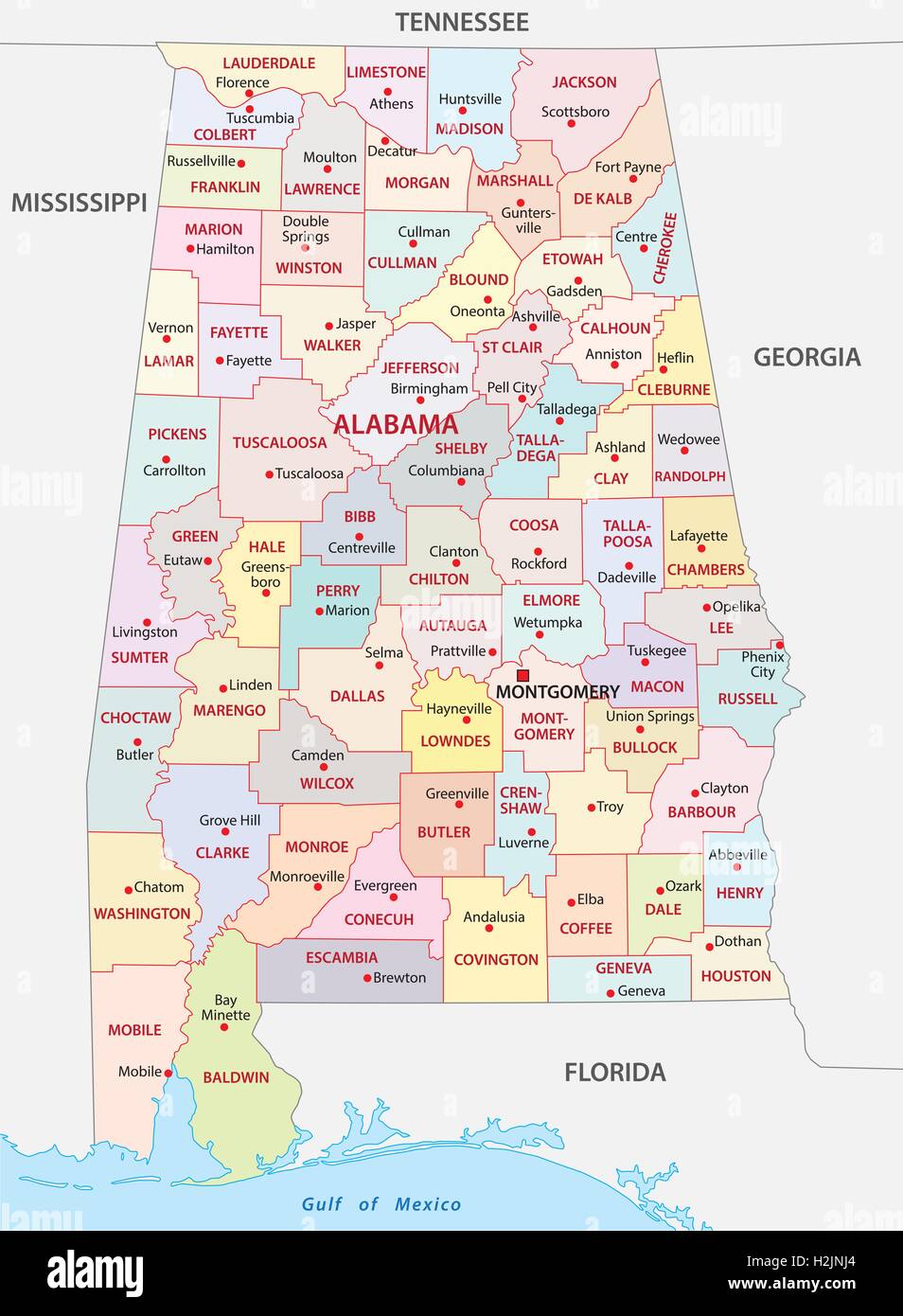
Understanding the Alabama time zone requires looking at how standard time and seasonal shifts interact across the state. Nearly all of Alabama operates within the Central Time Zone, shifting between Central Standard Time (CST) and Central Daylight Time (CDT) depending on the time of year. Confusion usually arises when people mix up these two acronyms or run into local border exceptions like Phenix City, which unofficially tracks Eastern Time because of its close economic ties to Columbus, Georgia.
Getting straight answers about seasonal time changes helps prevent missed flights, scheduling errors, and confusion during interstate calls. Let's break down how the Alabama time zone functions, the exact mechanics separating CST from CDT, and the practical details most overviews miss.
The Core Alabama Time Zone Rule
Alabama is legally and predominantly anchored in the Central Time Zone. Its official IANA time zone identifier is America/Chicago, meaning major hubs like Birmingham, Montgomery, Huntsville, and Mobile sync their clocks directly with Chicago and the broader central region of the United States.
The state observes Daylight Saving Time (DST) faithfully. This practice splits the calendar year into two distinct operational periods:
- Central Standard Time (CST): Used during the late autumn and winter months, starting the first Sunday in November.
- Central Daylight Time (CDT): Used during the spring, summer, and early autumn months, starting the second Sunday in March.
When you look at a clock in Alabama during January, it runs on CST. When you check that same clock in July, it runs on CDT.
Decoding CST vs CDT
The primary point of confusion for travelers and remote workers is treating CST and CDT as interchangeable terms for the same hour. They represent two different offsets from Coordinated Universal Time (UTC).
- CST stands for Central Standard Time. Its UTC offset is UTC-6. This means that when it's noon in Alabama during January, it's 6:00 PM UTC.
- CDT stands for Central Daylight Time. Its UTC offset is UTC-5. When it's noon in Alabama during July, clocks have moved forward one hour, making it 5:00 PM UTC.
CDT is one hour ahead of CST. When clocks spring forward in March, you lose an hour of sleep, and local time shifts from UTC-6 to UTC-5. When clocks fall back in November, you gain an hour, returning from UTC-5 to UTC-6.
The Eastern Time Exception in Alabama
While state lines suggest uniform timekeeping, local geography often creates exceptions. If you travel to East Alabama along the Georgia border, you'll encounter a quirk in daily scheduling.
Phenix City, located right across the Chattahoochee River from Columbus, Georgia, unofficially operates on Eastern Time to stay synchronized with its larger neighbor. Many businesses, schools, and local residents in Russell County and surrounding border communities schedule their daily lives around Eastern time even though legal documents and official state structures record them in the Central zone. If you're meeting someone in this corridor, always clarify whether they mean Central or Eastern time.
Practical Steps for Scheduling Across Alabama Time
Managing appointments, deadlines, or live broadcasts involving Alabama requires checking the current date against DST rules. Follow these steps to ensure accuracy:
- Check the calendar date: Determine if the current date falls between the second Sunday in March and the first Sunday in November (CDT) or the rest of the year (CST).
- Identify the correct offset: Use UTC-5 for summer dates and UTC-6 for winter dates. Don't rely on generic labels like "CST" if you're writing software or scheduling a calendar event in July; use the specific zone or UTC offset to let digital calendars handle the transition.
- Verify border locations: If dealing with entities near the Georgia border, explicitly confirm if they observe local Eastern time habits.
- Rely on authoritative references: For precise official time checks, consult the U.S. Naval Observatory Astronomical Applications Department or global time references like Time and Date.
Common Mistakes to Avoid
- Using CST year-round: Calling Alabama "CST" in July is technically incorrect because the state observes Daylight Saving Time, operating on CDT during summer months.
- Assuming all border counties are uniform: Expecting the entire eastern edge of the state to run strictly on Central time can lead to missed meetings in towns influenced by Georgia's timezone.
- Confusing UTC signs: Remember that negative offsets mean behind UTC; moving from UTC-6 to UTC-5 means the local time is moving forward, not backward.
Frequently Asked Questions
Does all of Alabama observe Daylight Saving Time?
Yes, the entire state observes Daylight Saving Time, shifting clocks forward in March and back in November. However, a few localized border areas unofficially align with Eastern Time for commerce.
What is the time difference between Alabama and New York?
Alabama is one hour behind New York year-round. When New York is on Eastern Standard Time (EST), Alabama is on Central Standard Time (CST). When New York shifts to Eastern Daylight Time (EDT), Alabama shifts to Central Daylight Time (CDT).
How do I write timestamps for database systems involving Alabama?
It's best to store timestamps in UTC or use the IANA time zone string America/Chicago. This ensures that historical and future daylight saving transitions calculate correctly without manual intervention.
Why do people confuse CST and CDT?
People often use "CST" as a blanket shorthand for Central Time, ignoring whether DST is active. Because the offset changes by an hour between seasons, mixing up the two acronyms results in scheduling errors during the summer months.



