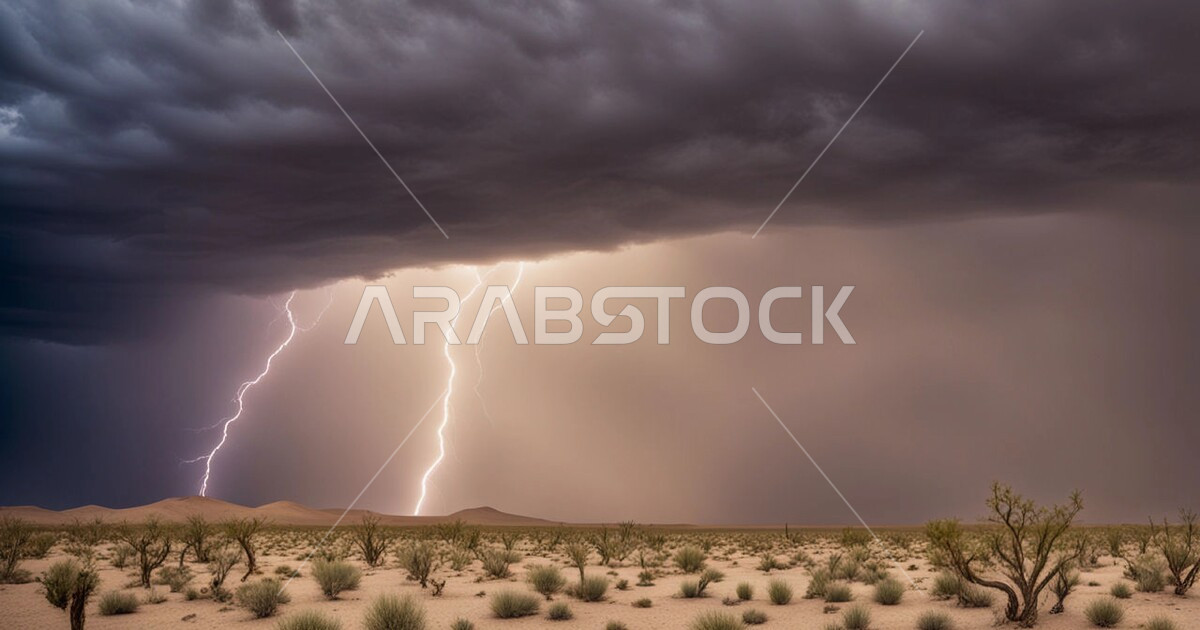
Navigating Al Madinah requires understanding a harsh, arid desert environment where summer afternoon highs routinely climb past 43°C (110°F) and annual precipitation remains minimal. Whether you're preparing for a spiritual journey to the Prophet's Mosque or adjusting to permanent residency, surviving and thriving in this climate depends on timing, hydration, and architectural adaptation.
The region features intense solar radiation, low humidity, and wide temperature swings between blazing days and cool winter nights. Grasping these seasonal shifts protects your health and helps you plan daily activities around the punishing midday sun.
Seasonal Breakdown of Al Madinah Weather
Al Madinah experiences distinct thermal phases throughout the year. Knowing what to expect during each period ensures you pack the right clothing and schedule outdoor visits effectively.
Summer (May to September)
Summer is long, dry, and exceptionally hot. Daily high temperatures regularly hover between 40°C and 43°C (104°F to 110°F), while ground radiation makes open plazas feel even hotter.
- The Challenge: Dehydration and heat exhaustion occur rapidly if you walk unprotected under direct sunlight.
- The Strategy: Shift outdoor rituals to early morning hours or late evenings. The courtyards of the Prophet's Mosque remain heavily managed with massive automated umbrellas and misting systems to cool worshippers.
Winter (November to February)
Winter brings a welcome relief, offering what many consider the most pleasant weather in Saudi Arabia. Daytime highs average a comfortable 22°C to 26°C (72°F to 79°F), while nights drop sharply to around 10°C to 14°C (50°F to 57°F).
- The Challenge: Nighttime drops catch visitors off guard, especially when transitioning from heated indoor spaces to open-air courtyards.
- The Strategy: Pack light jackets or sweaters for evening prayers. This season sees the highest influx of pilgrims due to the ideal walking conditions.
Spring and Autumn Transition Months
Months like March, April, and October serve as short bridges between extremes. Daytime temperatures climb into the low 30s°C (80s to 90s°F), offering warm days and crisp evenings. Dust storms can occasionally materialize during seasonal wind shifts, reducing visibility and triggering respiratory sensitivities.
Daily Survival Tactics for Pilgrims and Residents
Enduring the desert climate means adopting local habits refined over centuries.
Hydration and Electrolyte Balance
Drinking water alone isn't enough when sweat evaporates instantly in dry air.
- Carry a reusable bottle and drink fluids consistently before you feel thirsty.
- Incorporate mineral-rich drinks or salted refreshments to replenish lost electrolytes during peak summer months.
Smart Sun Protection
The sun in Al Madinah sits high and fierce overhead.
- Wear breathable, loose-fitting cotton or linen clothing in light colors to reflect solar radiation.
- Use high-SPF sunscreen, polarized sunglasses, and a sturdy umbrella or head covering if walking between locations during midday blocks.
Utilizing Modern Infrastructure
The city's urban design accommodates extreme heat. Large-scale infrastructure projects, including climate-controlled underground passages, shaded architectural overhangs, and advanced cooling fans around holy sites, protect pedestrians. Plan your walking routes to utilize these shaded corridors whenever possible.
Common Mistakes to Avoid
Visitors and new residents frequently underestimate the local environment, leading to avoidable discomfort.
- Ignoring the Nighttime Chill: Assuming the desert stays hot 24 hours a day leads many winter travelers to skip packing warm layers.
- Overexertion During Peak Hours: Trying to sightsee or walk between 12:00 PM and 4:00 PM in July or August heightens the risk of heatstroke.
- Inadequate Footwear Selection: Marble and stone courtyards absorb intense heat during the day, scorching unprotected feet if footwear is removed improperly outside designated mat areas. Always keep sandals in a shoe bag rather than leaving them exposed on hot stone.
For official updates and regional alerts, consult the Saudi National Center for Meteorology or monitor local guidance provided by the Saudi Ministry of Hajj and Umrah.
Frequently Asked Questions
When is the best time of year to visit Al Madinah for comfortable weather?
The period between November and February offers the most temperate weather, with mild days and cool evenings that make exploring religious landmarks comfortable.
Does it ever rain in Al Madinah?
Rainfall is rare and sparse, averaging only a few inches annually. When brief showers do occur, usually between late autumn and spring, they can occasionally cause minor localized puddling due to dry desert soil's inability to absorb water quickly.
How hot does it get during the peak of summer?
July and August are the hottest months, with afternoon temperatures routinely exceeding 40°C (104°F) and occasionally touching 43°C to 45°C (110°F+).
What kind of clothing should I pack for a trip to Medina?
Pack loose, lightweight, modest clothing for daytime heat. If visiting between November and February, include sweaters or light coats for cold desert nights.



