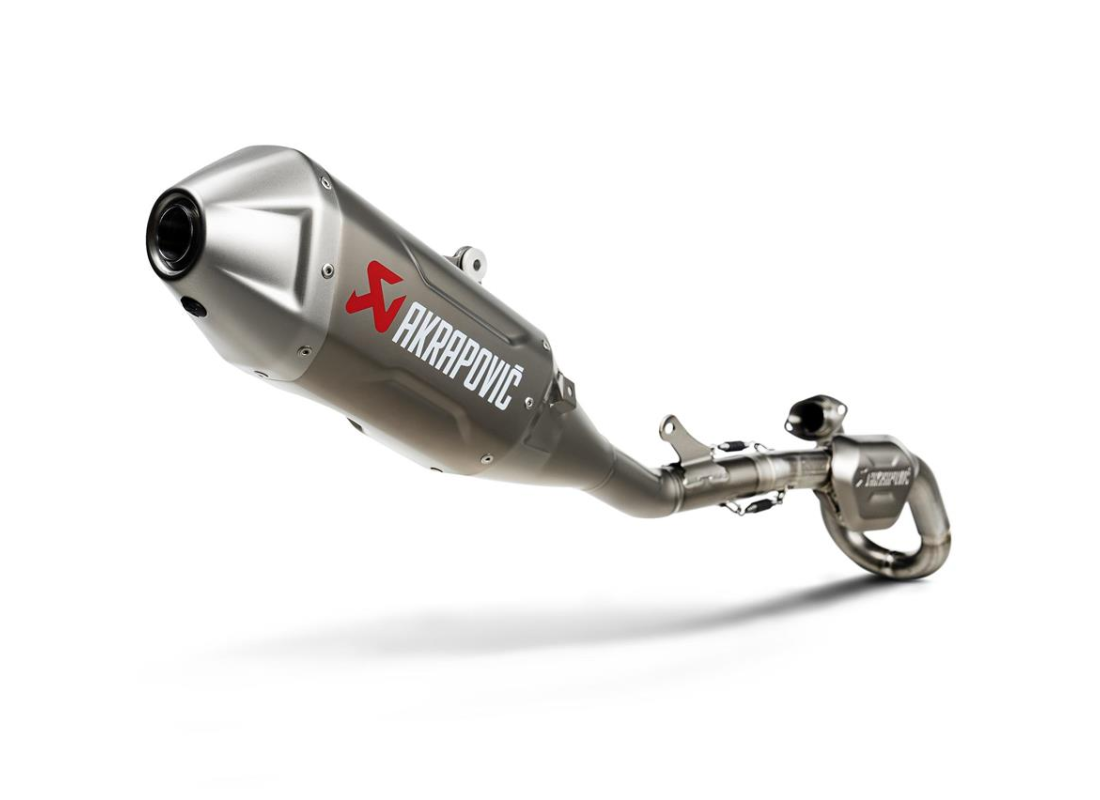
Upgrading your Kawasaki Z900 with an aftermarket exhaust changes how the bike breathes, sounds, and accelerates. If you're looking at the Akrapovic full system for the Z900, you aren't just buying a louder note; you're investing in weight reduction and measurable horsepower gains across the rev range. Let's look at what this system actually delivers on the dyno, how the installation works, and what supporting modifications you need to consider.
Choosing a full system means replacing the heavy factory header pipes and catalytic converter along with the slip-on muffler. The stock Z900 exhaust system weighs roughly 8.5 kg (nearly 19 lbs), heavily bogged down by emissions equipment. Switching to a titanium or stainless steel Akrapovic setup drops that weight significantly, often saving over 4 kg (9 lbs). That reduction in dead weight directly aids flickability and suspension response, especially when you're tipping the bike into tight corners.
Power Delivery and Dyno Results
Stock Z900s make strong mid-range power, but the factory tune restricts top-end pull to meet strict Euro emissions regulations. The Akrapovic full system opens up the exhaust flow, shifting the torque curve and boosting peak horsepower. When paired with proper fueling adjustments, riders typically see gains of 3 to 5 horsepower at peak, with even more noticeable mid-range improvements where you spend most of your street riding time.
Power isn't just about peak numbers. The delivery feels crisper, and the throttle response becomes more immediate when you roll on the gas exiting a turn. Because the factory catalytic converter is removed, exhaust gas velocity increases, preventing the engine from choking at high RPMs. You can explore official specifications and system details directly on the Kawasaki Official Site or review product engineering insights via Cycle World.
Installation Overview and Requirements
Installing a full exhaust system requires mechanical patience and basic garage tools. You'll need to remove the lower cowl, radiator fairings, and stock header nuts.
- Prep the bike: Secure the motorcycle on a rear paddock stand and let the engine cool completely. Disconnect the negative battery terminal before touching any electrical sensors.
- Remove stock components: Unbolt the O2 sensor from the factory headers, loosen the header nuts at the cylinder head, and support the heavy stock collector box while sliding it out.
- Clean exhaust ports: Wipe down the exhaust port mating surfaces. Always install brand new exhaust gaskets to prevent exhaust leaks.
- Mount the headers: Loosely fit the new Akrapovic header pipes into the cylinder head ports, finger-tightening the nuts so you can adjust alignment.
- Assemble collector and link pipe: Slide the collector and mid-pipe into place, applying a thin layer of high-temperature exhaust sealant at slip joints if recommended by the manufacturer.
- Mount the muffler: Attach the carbon fiber or titanium muffler to the bracket, align all sections to ensure proper ground clearance, and torque every bolt to factory specifications.
ECU Tuning and Fuel Mapping
Whenever you install a full exhaust system on a modern fuel-injected motorcycle, the air-fuel ratio changes. The engine breathes easier, which leans out the mixture. Running too lean can cause popping on deceleration, excessive engine temperatures, and potential long-term valve wear.
To maximize the investment, a professional ECU flash or a piggyback fuel controller like a Power Commander is essential. A custom tune adjusts ignition timing and fuel delivery to match the free-flowing exhaust, ensuring smooth power delivery without hesitation spots. For more technical background on engine tuning and airflow dynamics, check out RevZilla's Common Tread.
Common Installation Mistakes to Avoid
- Reusing old exhaust gaskets: Crushed factory gaskets rarely seal properly a second time, leading to annoying leaks and popping sounds.
- Over-torquing header nuts: The cylinder head studs can snap if you overtighten them. Always use a calibrated torque wrench.
- Leaving finger oils on titanium: If you touch raw titanium headers with bare hands, oils will burn into permanent purple stains when the exhaust heats up. Wipe down the pipes with contact cleaner or isopropyl alcohol before first startup.
- Forgetting the O2 sensor: Ensure the oxygen sensor is securely reinstalled and the wiring harness isn't touching hot header pipes.
Frequently Asked Questions
Do I need a tune immediately after installation?
You can ride the bike short distances without a tune, but you shouldn't run it hard. Scheduling an ECU flash or dyno tune shortly after installation prevents lean running conditions and unlocks the full power potential of the exhaust.
Is the Akrapovic system street legal?
Most full systems remove the catalytic converter, which typically removes compliance with local street emissions laws in many regions. Check your local regulations regarding aftermarket exhaust systems before installation.
How do I clean and maintain a titanium exhaust?
Titanium changes color naturally over time due to heat cycles. Use warm soapy water and a microfiber cloth for regular washing. To remove stubborn grime or fingerprints, use a dedicated metal polish safe for coated or raw titanium finishes.
Will this exhaust void my factory warranty?
Under Magnuson-Moss warranty regulations in the US, a dealer must prove that an aftermarket part directly caused a mechanical failure before denying warranty coverage. However, issues directly tied to poor installation or unmapped fueling modifications may not be covered.


