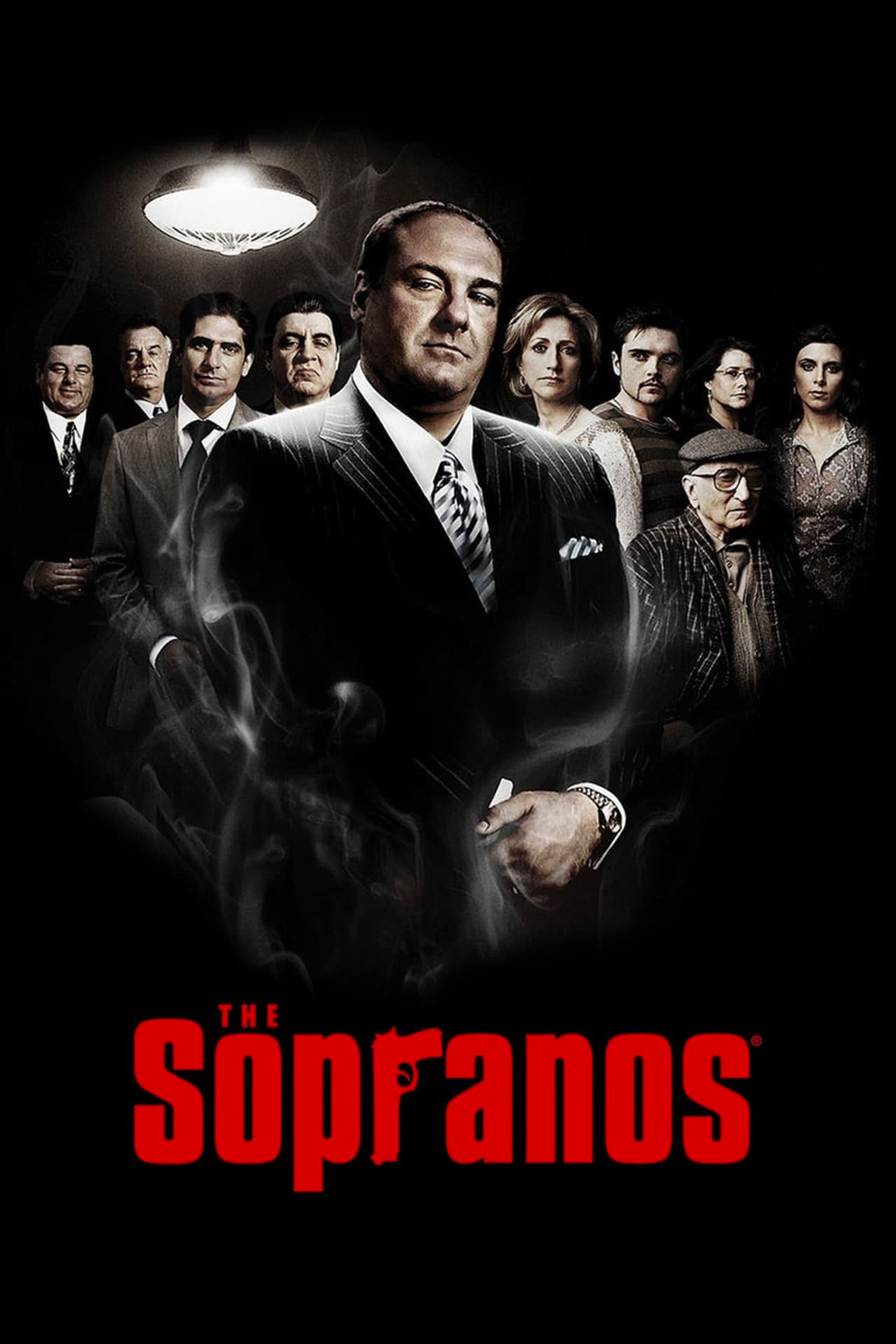
David Chase's The Sopranos upended television by refusing to offer easy redemption, tidy arcs, or noble antiheroes. Nowhere is this rejection of traditional character progression more evident than in Anthony "AJ" Soprano Jr., played by Robert Iler. While Tony Soprano dominates the cultural imagination as the brooding, suburban patriarch caught between two worlds, AJ represents the tragedy of second-generation assimilation. He is the ultimate product of suburban wealth built on generational violence, yet completely unequipped to navigate it.
Far from being a simple placeholder for teenage angst, AJ's trajectory exposes the hollow core of the American Dream as viewed through a working-class Italian-American lens. As Tony ascends from a capo to a boss in the HBO crime syndicate, AJ descends into paralyzing disillusionment, revealing how working-class values mutate and fracture when stripped of necessity and replaced by suburban comfort.
The Weight of Inheritance and Suburban Dislocation
Tony Soprano spends six seasons trying to shield his children from the brutal realities of his life, but his efforts backfire. By providing AJ with private schools, designer clothes, and a sprawling McMansion in North Caldwell, Tony removes the foundational struggles that gave his own Italian-American upbringing shape and grit.
Working-class identity in The Sopranos is rooted in labor, clear hierarchies, and tangible survival. Tony's crew understands their place within a harsh socioeconomic ecosystem. AJ, by contrast, floats in a vacuum of upper-middle-class privilege without any internal compass.
- The loss of trade skills: Earlier generations built lives through physical labor, masonry, and union contracting. AJ drifts through college courses and failed event-planning schemes.
- Moral paralysis: AJ absorbs his father's cynicism without any of the criminal pragmatism required to survive in the mob.
- Generational guilt: He senses the blood money funding his lifestyle but lacks the agency to refuse it or earn his own way.
This dislocation manifests as chronic depression. When AJ stares blankly into space or cries on a suburban curb, he isn't just acting like a spoiled teenager; he is experiencing an existential crisis born of rootlessness.
The Myth of Assimilation and Cultural Amnesia
The Soprano family represents a classic immigrant trajectory: the first generation fights to survive, the second generation enters legitimate business or organized crime while retaining ethnic ties, and the third generation experiences total cultural amnesia. AJ is that third generation.
Italian-American culture in the early seasons is thick with tradition—Sunday dinners, religious holidays, and strict domestic roles. By the final seasons, these traditions feel performative and hollow. AJ can quote movie lines and eat ziti, but he has no connection to the immigrant ethos that valorized hard work and community loyalty.
- Superficial heritage: AJ views his Italian heritage through the lens of mafia media rather than lived tradition.
- Cultural displacement: Living in North Jersey isolates the family from actual urban working-class neighborhoods like Newark or Belleville.
- Spiritual vacuum: Without religion or genuine community, AJ grasps at fleeting ideological causes—such as environmentalism or Middle Eastern politics—only to abandon them when they require actual sacrifice.
This pattern highlights a central critique of modern suburban assimilation. In trading working-class solidarity for suburban individualism, the family loses its protective cultural armor, leaving its youngest members vulnerable to despair.
Failure of Working-Class Masculinity
Traditional masculinity in The Sopranos is tied to provision, toughness, and emotional stoicism. Tony expects AJ to "man up," play sports, and take charge. However, the world AJ inherits has no use for old-school mob machismo.
AJ's repeated failures to live up to Tony's expectations expose the obsolescence of 20th-century working-class manhood in a post-industrial economy.
- The breakdown of mentorship: Tony cannot teach AJ how to succeed legitimately because Tony's own success is built on violence and extortion.
- Emotional suppression: When AJ attempts suicide in season six, it shocks the family not just because of the act, but because it shatters the stoic facade expected of men in their milieu.
- The impotence of anger: Unlike Tony, whose rage is channeled into criminal enterprise, AJ's anger turns inward, resulting in apathy and self-loathing.
Through AJ, the series asks a devastating question: What happens to sons raised by fathers who equate love with material provision and emotional distance?
Frequently Asked Questions
Why is AJ Soprano so universally disliked by viewers?
Many viewers find AJ frustrating because he exhibits chronic apathy, entitlement, and a lack of ambition while living in extreme luxury. However, this reaction is largely intentional; creator David Chase designed AJ to reflect the aimlessness of youth raised in morally bankrupt, hyper-capitalist environments.
How does AJ's storyline reflect the immigrant experience?
AJ represents the completion of the assimilation cycle. While his grandparents maintained strong cultural and community ties, AJ is fully Americanized, wealthy, and entirely disconnected from the immigrant struggle, leaving him spiritually adrift.
What causes AJ's severe depression in the final seasons?
AJ's depression stems from a combination of chemical predisposition, the realization that his family's wealth is built on violence, and his inability to find meaningful purpose or personal identity outside of his father's shadow.
Does AJ experience any character growth by the end of the series?
AJ's growth is ambiguous. While he briefly flirts with joining the military or working in film production, he ultimately retreats to the safety of his parents' wealth, driving a luxury car bought by Tony, suggesting he remains trapped in the same cycle.


