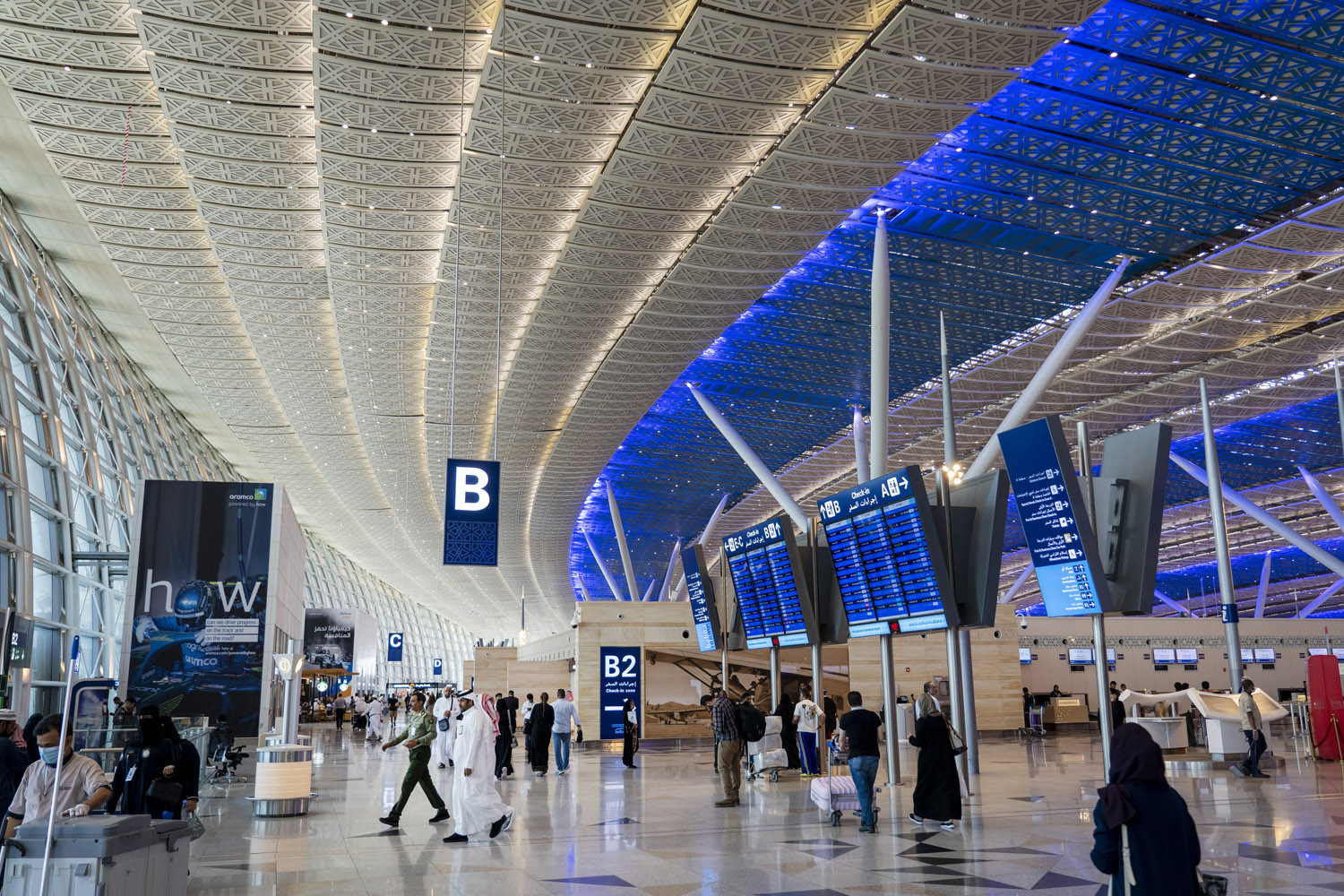
When you look at UK English, spelling can get tricky. You'll often see British speakers use aeroplane while Americans write airplane. Because of this pattern, many writers wonder if aeroport is the correct British spelling for a transport hub. It isn't. In the United Kingdom, airport is the sole standard spelling used by major aviation bodies, government regulators, and everyday speakers alike.
Finding aeroport in a UK-focused text usually means you've spotted a foreign loanword, a typo, or a direct translation from French. British English follows specific rules for compound nouns, which explains why the spelling remains uniform across the Atlantic despite other regional spelling divergences.
Why British English Uses Airport
The word is a standard compound noun, built by combining air and port. English has used this pattern for centuries, matching structures like seaport for maritime vessels or heliport for helicopters.
Even though the UK historically retained the Greek-derived prefix aero- in words like aeroplane or aerodrome, it never adopted aeroport into standard domestic dictionaries. The Oxford English Dictionary lists airport as the correct term, matching the global standard. British aviation authorities, including the Civil Aviation Authority, rely exclusively on airport in all official legislation, safety documents, and public announcements.
- Compound structure follows maritime roots (air + port).
- The UK Civil Aviation Authority mandates standard domestic terminology.
- Major hubs like Heathrow and Gatwick operate under the standard spelling.
Where Aeroport Actually Comes From
If aeroport isn't British, where do you see it? The spelling is standard French, Romanian, and Italian. In French, aéroport designates a major international commercial facility, distinguishing it from smaller regional airfields (aérodromes).
When UK residents encounter aeroport, it's usually on cross-channel travel itineraries, European low-cost carrier booking pages translated from continental languages, or foreign signage. Using aeroport in an official UK business context or a British school exam is marked as a spelling error.
Historical Shift: From Aerodromes to Airports
Early aviation in the UK didn't rely on either word initially. In the pioneering decades of flight during the 1910s and 1920s, Britons called these locations aerodromes.
The term borrowed heavily from military terminology and French aviation pioneers. As commercial passenger travel expanded in the 1930s, the vocabulary shifted. Transport planners wanted terms that mirrored shipping infrastructure. Because passengers transferred between air and land transport much like cargo at a seaport, airport won out globally, and the UK adopted it without altering the spelling to match aeroplane.
Common Spelling Mistakes and Confusion
Writers often trip over aviation terms because British and American English split on several common transport words. To keep your writing clean, review these quick distinctions:
- Aeroplane vs. Airplane: Aeroplane is standard in the UK; airplane is standard in the US.
- Airport: Spelled identically in the UK, US, Canada, and Australia. There is no separate British variant.
- Aerodrome: A historical term still used in aviation law for smaller flying fields, but distinct from major commercial terminals.
If you're writing for a British audience, don't try to Anglicise airport by adding an 'e'. Stick to the standard international spelling.
Frequently Asked Questions
Is aeroport ever accepted in British English exams?
No. Major UK exam boards and style guides treat aeroport as a spelling mistake. Students and professionals must use airport.
Why didn't the UK change airport to aeroport to match aeroplane?
Language evolution doesn't always follow strict logic. While aeroplane kept its classical roots, airport entered widespread use later as a direct commercial portmanteau, aligning with global trade and transport terminology.
Do other English-speaking countries use aeroport?
No. Canada, Australia, New Zealand, and the United States exclusively use airport. The alternate spelling is restricted to Romance languages like French and Romanian.



