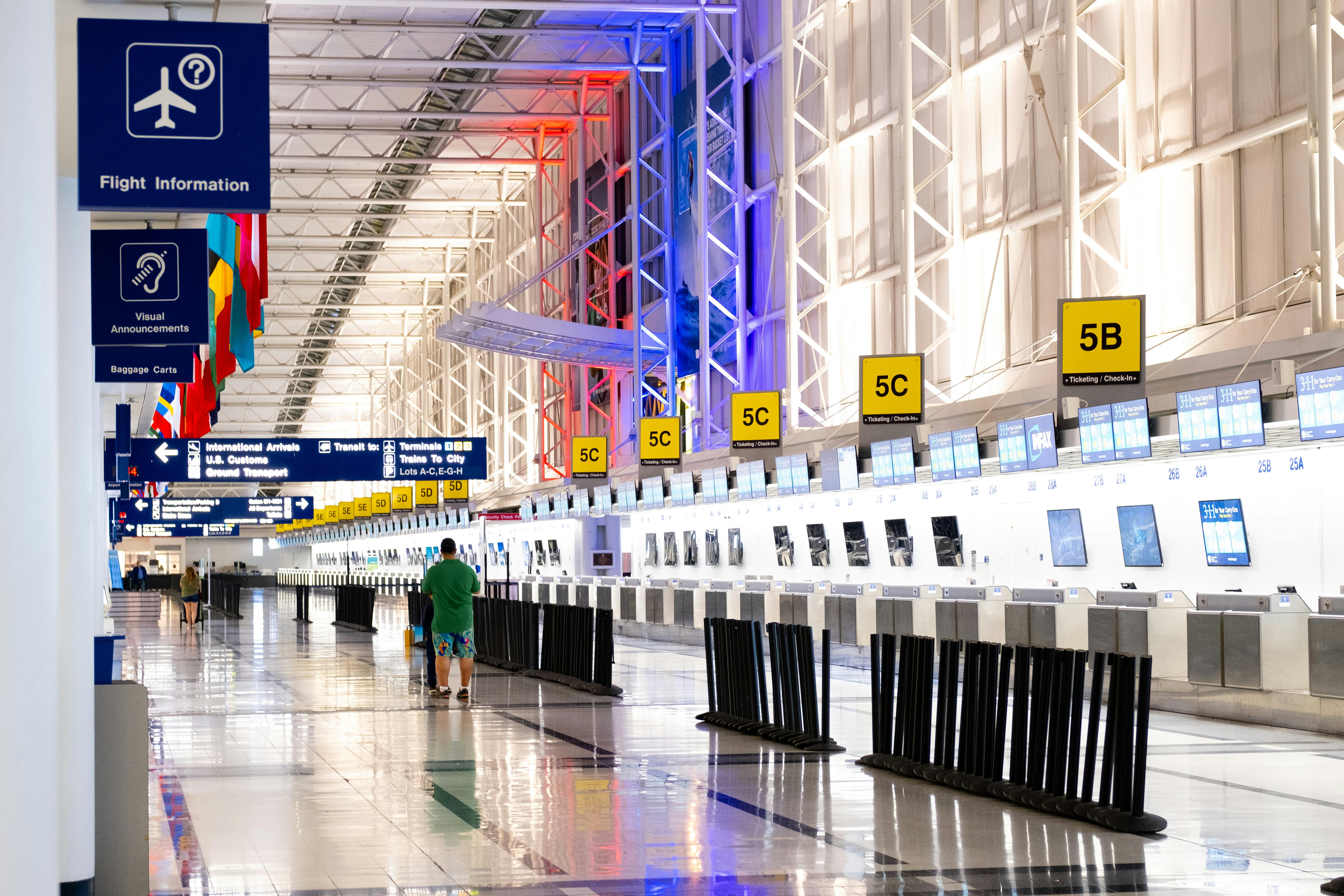
Airport code AUS refers strictly to Austin-Bergstrom International Airport in Texas, United States, despite common online confusion linking the letters "AUS" to Australian aviation. The three-letter International Air Transport Association identifier maps commercial flight paths, baggage routing, and global ticketing databases directly to Austin's primary aviation hub. Travelers searching for Australian airport identifiers often mix up country abbreviations with specific facility codes, leading to widespread search intent mismatches across travel planning sites.
Understanding how this code functions helps clarify domestic and international connection logistics. Austin-Bergstrom operates as a major economic engine in Central Texas, handling millions of passengers annually across dozens of direct domestic and international routes. This overview breaks down what the identifier means, how international aviation codes work, and why distinguishing between country abbreviations and station codes keeps travel itineraries on track.
Decoding the AUS Identifier
The International Air Transport Association assigns unique three-letter designators to commercial airports worldwide. For Austin-Bergstrom International Airport, the code AUS originated from its predecessor, Robert Mueller Municipal Airport, which transferred its identifier when the current facility opened on the former Bergstrom Air Force Base site in 1999.
- IATA Code: AUS (used for passenger tickets, luggage tags, and commercial flight boards).
- ICAO Code: KAUS (used by pilots, air traffic control, and flight dispatchers).
- Timezone: Central Standard Time / Central Daylight Time (UTC-6 / UTC-5).
Pilots and dispatchers rely on the four-letter International Civil Aviation Organization code, KAUS, while everyday passengers interact almost exclusively with AUS on boarding passes and booking apps.
Common Confusion: Austin Versus Australia
A frequent mix-up occurs when travelers search for Australian domestic flights using airport code AUS. Australia uses entirely different identifiers for its major aviation hubs. Sydney operates under SYD, Melbourne uses MEL, Brisbane uses BNE, and Perth uses PER. None of Australia's primary commercial facilities utilize AUS, as the prefix belongs exclusively to Texas.
When booking flights to Oceania, confusing station codes leads to severe routing errors. Double-checking the three-letter destination on airline portals prevents costly booking mistakes. Official resources like Airservices Australia provide accurate documentation for domestic airspace operations across the continent, while the Federal Aviation Administration manages U.S. domestic facility registries.
Austin-Bergstrom Infrastructure and Network Reach
Austin-Bergstrom International Airport connects Central Texas to major global markets through extensive airline partnerships. The facility features two primary passenger terminals: the main Barbara Jordan Terminal and the South Terminal.
- Carriers: Major domestic and international airlines maintain heavy operations here, including Southwest, Delta, American, and United.
- Destinations: Nonstop routes span across North America and select European hubs.
- Cargo Operations: Dedicated freight handlers move hundreds of millions of pounds of cargo annually to support regional tech and manufacturing industries.
Navigating the campus requires understanding terminal separation. The South Terminal operates independently from the Barbara Jordan Terminal, serving ultra-low-cost carriers with separate parking and check-in facilities. Passengers must verify their airline's specific terminal assignment before arriving to avoid missed flights.
Practical Steps for Booking and Luggage Tracking
Using airport codes correctly ensures smooth baggage routing and accurate flight tracking. Follow these steps when managing complex itineraries involving AUS:
- Verify the Ticket: Check that your baggage receipt prints AUS for Austin, rather than confusing it with regional Australian aerodromes.
- Monitor Live Status: Use flight tracking tools by entering KAUS for air traffic control feeds or AUS for commercial passenger schedules.
- Confirm Terminal Gates: Review airline notifications 24 hours prior to departure, especially if your flight departs from the independent South Terminal facility.
- Allow Connection Time: Factor in security queue wait times at the Barbara Jordan Terminal during peak morning departure banks.
Frequently Asked Questions
Is airport code AUS located in Australia?
No. AUS is the commercial aviation identifier for Austin-Bergstrom International Airport in Texas, United States. Australian airports use entirely different codes, such as SYD for Sydney and MEL for Melbourne.
What is the difference between AUS and KAUS?
AUS is the three-letter IATA code used for commercial ticketing and passenger baggage. KAUS is the four-letter ICAO code used by flight crews, meteorologists, and air traffic controllers.
Which airlines use AUS as a major hub or focus city?
Southwest Airlines, Delta Air Lines, and American Airlines maintain substantial operational presence and frequent departures at the facility.
How many terminals does Austin-Bergstrom have?
The airport operates two physical passenger processing areas: the main Barbara Jordan Terminal and a separate South Terminal used by specific low-cost carriers.



