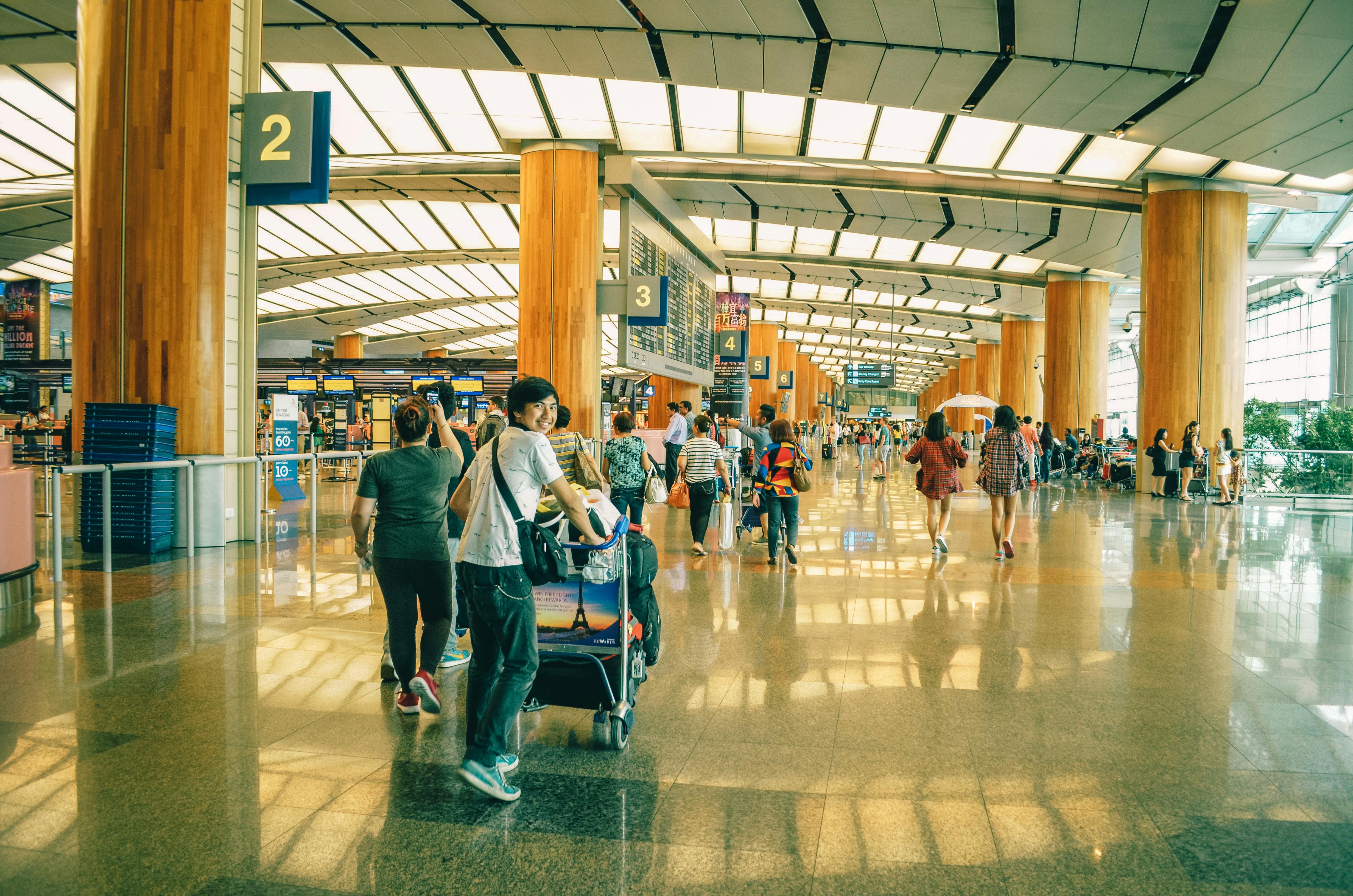
Navigating airport arrival gates efficiently prevents missed connections, lost luggage headaches, and unnecessary terminal stress. Whether you're touching down at a massive global hub or a regional facility, understanding how arrival gates, jet bridges, and concourse flows operate transforms a confusing transit into a streamlined journey.
When your flight lands, the transition from aircraft cabin to terminal exit involves specific physical infrastructure and standardized airport protocols. Knowing what happens behind the scenes and how to read terminal signage saves you time during every stage of deplaning.
Understanding Airport Arrival Gate Infrastructure
The physical gate area where your plane parks is just the final node in a massive logistical network. Commercial aviation facilities design arrival gates to handle incoming aircraft while managing high volumes of disembarking passengers.
Jet Bridges versus Remote Stands
Most major airports utilize enclosed jet bridges (also called boarding bridges or jetways) that connect the aircraft directly to the terminal building. When you walk out of the plane door, you step straight onto secure concourse flooring.
However, many regional hubs or congested mega-terminals use remote parking stands. If your flight parks at a remote stand:
- The plane stops on the tarmac away from the terminal building.
- Ground crews position airstairs or mobile platform lifts at the aircraft doors.
- Passengers descend outdoors and board dedicated apron buses that transport everyone directly to the arrivals customs or baggage hall.
Concourse Signage and Orientation
Once you clear the jet bridge or bus drop-off, you enter the secure airside concourse. Airports place primary directional signage directly above or adjacent to the gate exit.
- Baggage Claim Indicators: Look for icons showing a suitcase symbol alongside corresponding carousel numbers.
- Connection Pointers: Follow electronic flight connection boards if you have a tight layover before your next boarding call.
- Exit Corridors: Green or neutral directional signs guide passengers toward ground transportation, arrivals lobbies, and exit doors.
Step-by-Step Deplaning and Terminal Transition
Deplaning order matters, and mastering the physical transition from your seat to the terminal concourse keeps passenger flow moving smoothly.
[Aircraft Door] ---> [Jet Bridge / Apron Bus] ---> [Airside Concourse] ---> [Security / Customs Check] ---> [Baggage Claim / Exit]
- Wait for the Announcement: Flight crews instruct passengers when it's safe to unbuckle seatbelts and retrieve overhead luggage. Standing prematurely in a narrow aisle causes bottlenecks.
- Exit the Aircraft: Have your travel documents or mobile boarding passes accessible if you're arriving on an international flight that requires immediate document verification at the gate threshold.
- Navigate the Concourse: Follow the main arterial corridor of the terminal. Avoid lingering near gate seating zones where departing passengers are queueing.
- Clear Customs or Security Checkpoints: Depending on your route, international arrivals require passing through border control or customs clearance before reaching public terminal areas.
Connecting Flights and Tight Layovers
If your journey doesn't end at your arrival gate, finding your connecting gate quickly is your primary objective. Major facilities like Chicago O'Hare International Airport or London Heathrow handle thousands of connecting passengers hourly through specialized transfer corridors.
Locating Your Next Gate
Don't rely solely on the gate number printed on your initial boarding pass issued hours earlier. Gate changes happen frequently due to air traffic control adjustments or aircraft swaps.
- Check the nearest digital flight information display screen immediately upon entering the concourse.
- Open your airline's mobile application to track real-time gate reassignments.
- Ask airport customer service agents stationed at podiums near central intersections if your connection window is under thirty minutes.
Terminal Transfers
If your connecting flight departs from a different terminal, look for inter-terminal transit options. Many airports feature underground pedestrian tunnels with moving walkways, automated people movers (APMs), or airside shuttle buses that bypass security re-entry requirements.
Common Navigation Mistakes to Avoid
Even seasoned travelers occasionally stumble when navigating unfamiliar arrival gates. Avoiding these frequent missteps protects you from missed connections and lost time.
- Following the Crowd Blindly: Masses of passengers often drift toward the main exit out of habit. If you have a connecting flight, check your itinerary rather than following deplaning passengers straight to baggage claim.
- Ignoring Airport App Updates: Relying on physical monitors alone can leave you stranded at an inactive gate if a last-minute change occurs. Digital push notifications provide instant updates.
- Misjudging Walking Distances: Major international terminals span miles across multiple concourses. Always check whether your connection requires a train or a long brisk walk across different terminal piers.
Frequently Asked Questions
What should I do if my gate changes while I'm in flight?
Airlines update gate assignments dynamically based on arrival timing and gate availability. When you land and connect your phone to cellular or airport Wi-Fi, check your airline application or look at the nearest overhead monitor before heading toward any specific concourse zone.
Do I have to go through security again for a domestic connection?
In most domestic-to-domestic connections within the same terminal or secured airside network, you do not need to exit security. You simply walk from your arrival gate to your departure gate. However, changing terminals or transferring to international flights may require clearing security checkpoints again.
How are gate numbers structured in large airports?
Airports typically use a letter-and-number combination where the letter designates the concourse, pier, or terminal building (such as Concourse B or Terminal 2), and the number specifies the exact physical gate location along that pier.
What happens if I miss my connecting flight due to an airline delay?
If your inbound flight arrives late and causes you to miss your connection through no fault of your own, the operating airline is responsible for rebooking you onto the next available flight. Visit the airline's customer service desk or transfer counter in the concourse immediately to secure your new boarding pass.



