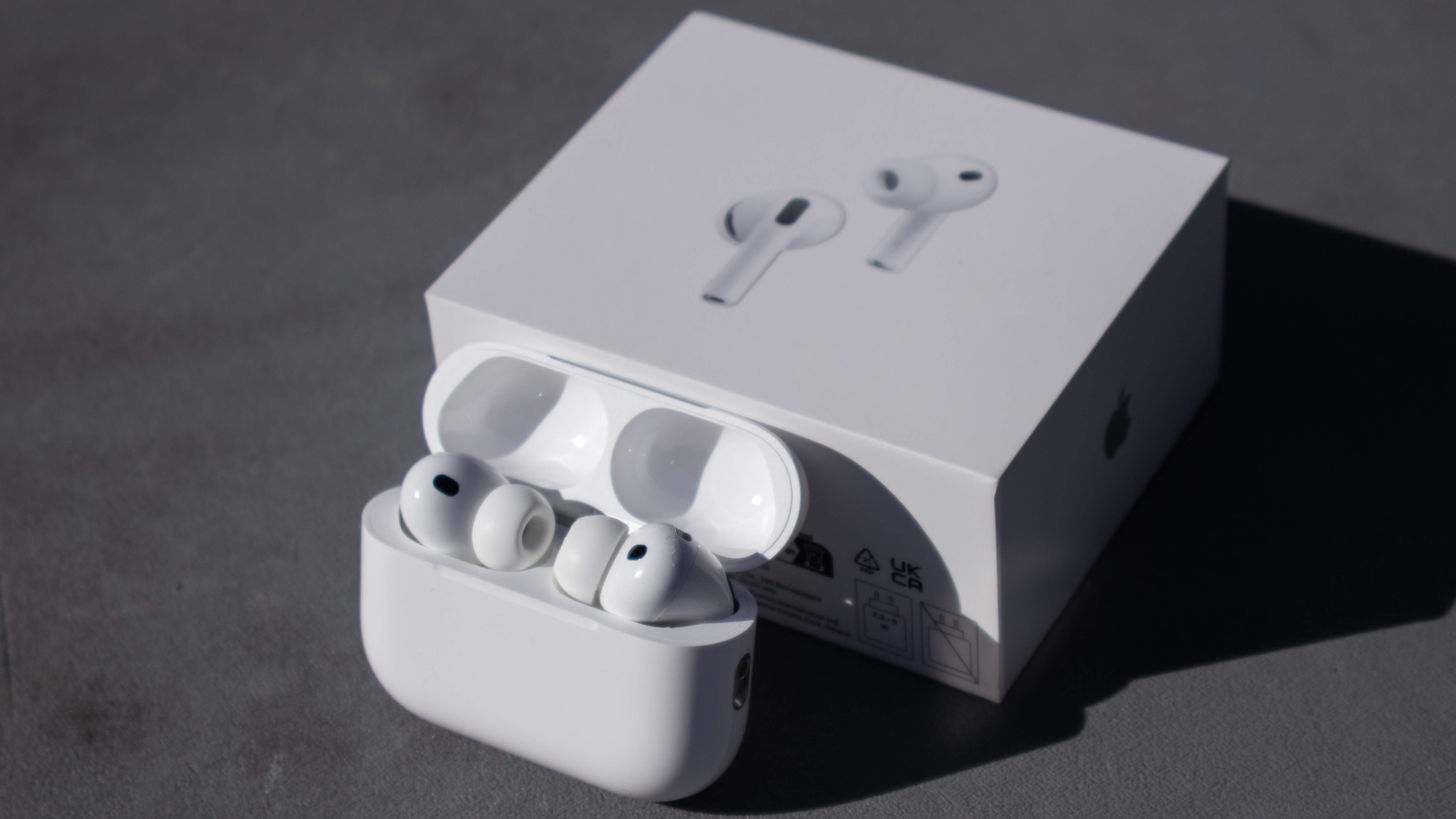
When boxes of Apple AirPods started featuring "Assembled in Vietnam" instead of traditional Chinese provenance labels, it marked a quiet turning point for consumer electronics. Shifting production for high-volume audio gear wasn't just a logistics tweak; it proved that complex micro-assembly could thrive outside traditional tech hubs. This transition reshaped how hardware giants view supply chain resilience, altering the manufacturing footprint of the entire mobile accessories market.
The move to Vietnamese assembly lines wasn't an accident born overnight. Apple and its major manufacturing partners, like Goertek and Luxshare, faced rising labor costs in mainland factories alongside trade friction that threatened long-term stability. By moving lines for compact audio devices into northern Vietnamese provinces, these companies tested whether local infrastructure and skilled labor could match the output speed of Shenzhen. They could. The successful pivot paved the way for broader regional diversification across the consumer tech sector.
The Anatomy of a Supply Chain Pivot
Building tiny wireless earbuds requires extreme precision. Surface-mount technology, microscopic soldering, and strict acoustic calibration leave zero room for error. When Apple partners began setting up plants in provinces like Bắc Ninh and Bắc Giang, they had to build entire ecosystems from scratch.
Local technical schools ramped up electronics training programs. Component suppliers relocated nearby to minimize transit delays for batteries, H1 chips, and custom plastic shells. This geographic clustering transformed rural regions into high-tech assembly zones almost overnight.
- Labor Scaling: Tens of thousands of workers were hired and trained rapidly to handle automated optical inspection and manual casing assembly.
- Infrastructure Upgrades: Local ports, highways, and electrical grids received massive investments to handle raw material imports and finished-goods export volume.
- Regulatory Support: Local government agencies fast-tracked permits and tax incentives for foreign tech investments.
Quality Control Across Borders
A common consumer worry during any manufacturing shift is whether quality control drops. Audiophiles and casual listeners alike often wondered if a pair assembled in Vietnam sounded or performed differently than older units built in China.
Apple maintains rigid standardization regardless of where a device is screwed together or soldered. Acoustic drivers undergo identical frequency response tests, and charging cases face the same drop and thermal stress evaluations.
"Apple's strict control over design, engineering, and quality ensures uniformity across all global production sites."
Whether your charging case indicates assembly in one country or another, the internal components, firmware capabilities, and battery longevity remain identical. You won't notice any difference in Bluetooth pairing speed, microphone clarity, or audio output profile. For official specifications and device ecosystem details, check the Apple Support Page.
Economic Ripple Effects in Southeast Asia
The influx of high-end assembly contracts transformed Vietnam's export profile. Electronics quickly grew to become a dominant share of the nation's total export economy. Smaller local businesses caught the wave, supplying packaging materials, logistics support, and facility management services.
This regional development mirrored historical patterns seen in South Korea and Taiwan decades prior. By inserting themselves into the global tech bloodstream, local firms gained invaluable engineering expertise. They proved they could handle tight profit margins, demanding delivery windows, and zero-defect requirements demanded by the world's most valuable tech brands.
Common Mistakes When Evaluating Tech Origins
Consumers frequently misinterpret what manufacturing labels mean for their devices. Spotting a new country name on a box often triggers unwarranted myths about authenticity or component quality.
- Assuming lower quality for non-China units: Every factory must adhere to identical master blueprints and tooling specifications.
- Believing origin determines authenticity: Counterfeit devices exist everywhere; checking the serial number through official channels matters far more than reading the box text.
- Expecting different software features: Firmware updates apply uniformly to units regardless of where their plastic shells were snapped together.
To verify a product's provenance safely, always buy from certified vendors listed on the Apple Authorized Reseller Directory rather than secondary markets where unauthorized clones circulate.
Frequently Asked Questions
Do AirPods made in Vietnam sound different from those made in China?
No. Acoustic chambers, drivers, and digital signal processors are built to strict global tolerances. Independent testing and user consensus confirm zero audible or functional difference.
How can I check where my AirPods were manufactured?
Look at the small print on the back of your retail box or inspect the regulatory text printed near the bottom edge of the physical charging case. It will explicitly state where final assembly occurred.
Why did production move out of traditional hubs?
Companies prioritize supply chain diversification to mitigate regional bottlenecks, tariff fluctuations, and single-location vulnerabilities. Spreading operations across multiple countries ensures steady output during unexpected disruptions.
Are replacement parts interchangeable between units from different factories?
Yes. Because dimensions, internal pin layouts, and battery specifications follow exact engineering CAD files, individual earbuds and charging cases from different assembly origins pair and function together seamlessly.



