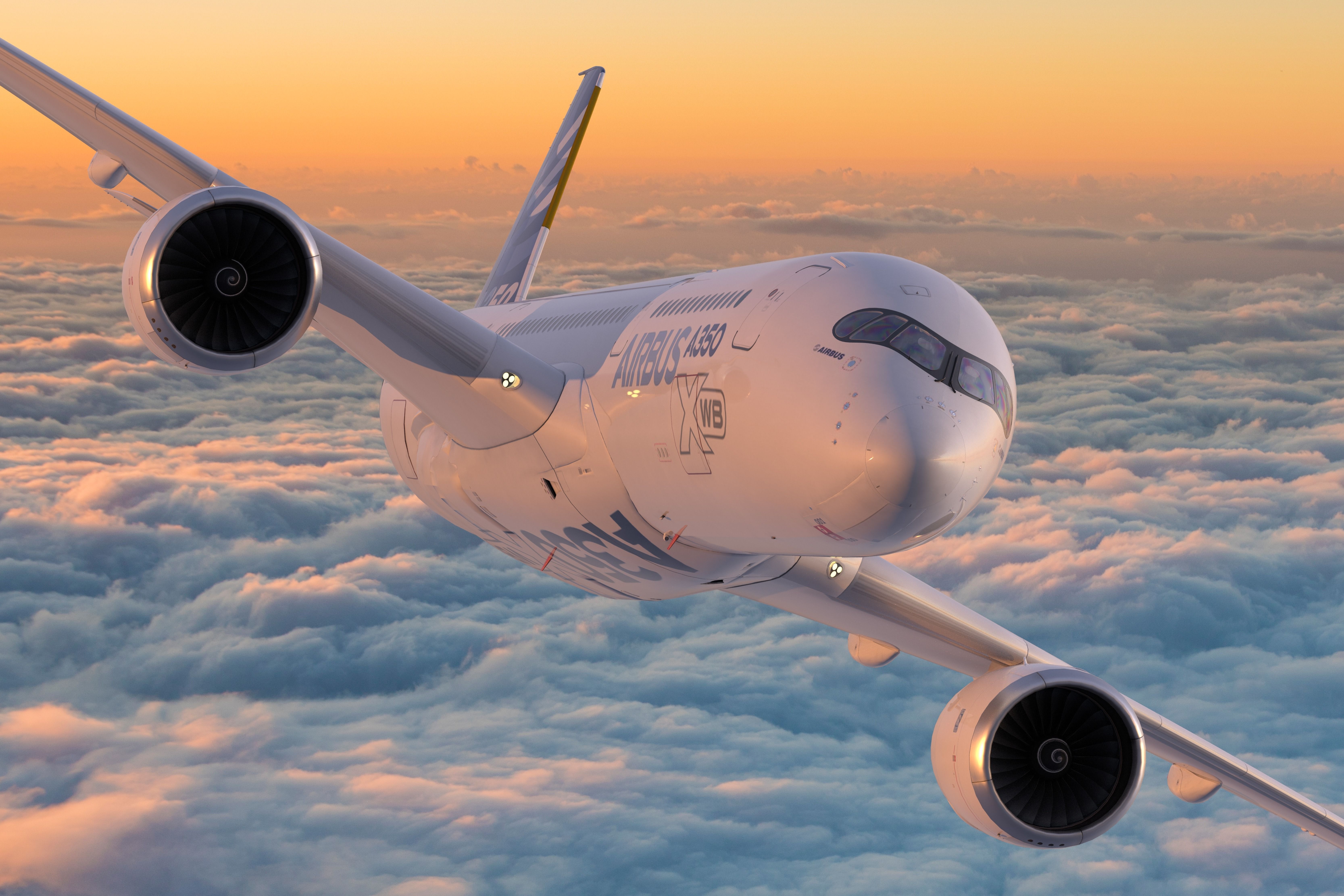
Air travel is undergoing a quiet structural shift. For decades, crossing oceans or flying cross-continent meant boarding widebody jets like the Boeing 777 or Airbus A330. Today, airlines are increasingly using single-aisle workhorses to fly those exact same routes. At the center of this transformation is the Airbus A321neo, an aircraft originally built for short-to-medium hops that now stretches deep into long-haul territory.
Understanding how a narrow-body plane manages to redefine passenger expectations requires looking past the marketing slogans. Carriers are configuring these jets with lie-flat business class suites, ambient LED lighting, and upgraded seatback entertainment systems. This evolution changes network economics for airlines while altering what passengers experience on six-to-seven-hour flights.
Engineering the Extended Range
The baseline A321ceo was designed as a high-capacity regional people-mover. To turn it into a transcontinental and transatlantic performer, engineers had to tackle physics and fuel capacity. The introduction of new engine options—the CFM International LEAP-1A and the Pratt & Whitney PW1100G geared turbofan—reduced fuel consumption by roughly 15 to 20 percent per seat compared to older generations.
Lower fuel burn translates directly into extended distance capability. While a standard A321neo covers shorter regional corridors, variants like the A321LR (Long Range) expand that envelope to roughly 4,000 nautical miles (7,400 kilometers) by adding up to three auxiliary fuel tanks. This range unlocks point-to-point city pairs that previously required passengers to connect through major hub airports. Instead of flying a widebody from a central hub, airlines can now profitably link secondary markets directly, such as operating flights from Boston to European regional capitals.
Cabin Architecture and Space Optimization
Inside the cabin, the challenge is fitting long-haul amenities into a single-aisle tube with a maximum interior width of 3.70 meters. Passengers historically associate narrow-body planes with cramped regional commutes, minimal legroom, and lack of aisle access for premium flyers.
Airlines counter this perception through intelligent interior design and modified galley placements.
- Direct Aisle Access: Premium cabins on long-range configurations often feature staggered lie-flat seats or hybrid business layouts, ensuring every passenger can reach the aisle without climbing over a neighbor.
- Airspace Cabin Elements: Modern overhead bins offer significantly more storage volume per passenger, reducing the scramble for carry-on space.
- Advanced Lighting: Programmable LED mood lighting systems mimic natural circadian rhythms, helping passengers adjust across multiple time zones.
- Acoustic Improvements: The high-bypass engines and sound-dampening materials lower overall decibel levels inside the cabin, reducing fatigue on lengthy flights.
Economic Realities for Airlines
The shift toward single-aisle long-haul flying comes down to operating margins. Operating a widebody aircraft on a route with moderate passenger demand can quickly drain profitability if load factors dip. The A321neo offers lower trip costs, allowing airlines to maintain frequency on thinner routes without risking heavy losses.
Maintenance synergies also play a major role. Because the A321neo shares type rating and operational commonality with the broader A320 family, airlines can cross-utilize flight crews and maintenance technicians. This flexibility reduces training overhead and streamlines spare parts inventories. For passengers, this efficiency translates into more direct flight options and competitive pricing on routes that might otherwise lack service.
Common Passenger Misconceptions
Travelers stepping onto a single-aisle aircraft for a transoceanic crossing often harbor concerns about comfort and crowding. Recognizing how reality differs from expectation helps clarify the experience.
One common myth is that single-aisle long-haul cabins lack any form of personal entertainment. In practice, carriers operating premium-heavy A321neo layouts install high-definition seatback touchscreens with streaming media, matching the entertainment standards of widebody flagships.
Another concern involves boarding and deplaning bottlenecks. Because there is only one primary aisle for up to 200-plus passengers, boarding takes discipline. Airlines manage this by utilizing multiple doors when airport infrastructure permits, and modern overhead bins minimize the time spent wrestling luggage into position overhead.
Frequently Asked Questions
How long can an Airbus A321neo actually fly without refueling?
The standard A321neo has a maximum range of around 3,500 to 4,000 nautical miles depending on payload and wind conditions. The specialized A321LR and A321XLR variants extend this capability further, with the XLR capable of reaching up to 4,700 nautical miles.
Is business class on a single-aisle plane as good as a widebody?
Many modern long-range single-aisle configurations feature fully lie-flat seats with direct aisle access in business class, providing a private suite experience very similar to widebody aircraft, albeit within a slightly more compact cabin environment.
Why do airlines prefer narrow-body planes for transatlantic routes?
They offer lower fuel burn and trip costs compared to widebody jets, allowing airlines to operate thinner routes profitably, increase flight frequencies, and test new city pairs without committing massive aircraft capacity.
Do all A321neo aircraft feature personal seatback screens?
No, amenities vary significantly by airline. Network carriers deploying the aircraft on long-haul transcontinental or transatlantic routes typically install full seatback entertainment and power outlets, whereas low-cost carriers may rely on streaming-to-device systems.


