When martial artists on Reddit debate aikido vs judo, the conversation rarely stays civil for long. Communities like r/martialarts and r/judo feature daily arguments over which discipline offers better practical self-defense, a more rigorous workout, and a more honest training methodology. If you scroll through these threads, you'll notice a massive divide between theory and reality.
Judo stands out as a combat sport built on explosive throws, heavy sparring, and uncooperative resistance. Aikido focuses on joint locks, circular redirection of momentum, and philosophy, but it notoriously lacks dynamic live sparring in most dojos. Understanding what Reddit actually says about these two Japanese arts helps you choose the right path for your fitness and combat training goals without wasting years on empty promises.
The Core Differences Between Judo and Aikido
Both martial arts share roots in traditional Japanese jujutsu, but their modern evolutions sent them down completely different paths. Jigoro Kano founded judo in the late 19th century by stripping dangerous techniques from traditional jujutsu to create a safe, competitive sport. Morihei Ueshiba developed aikido a few decades later, blending martial techniques with spiritual philosophies of peace and harmony.
Judo centers on two main areas: throwing an opponent to the ground (nage-waza) and controlling them on the ground through pins, chokes, and joint locks (katame-waza). Practitioners wear a heavy cotton jacket called a judogi and use grips on the collar and sleeve to unbalance opponents. Randori, or live sparring, forms the backbone of every judo session from day one. You throw people who are actively trying to stop you, and they throw you right back.
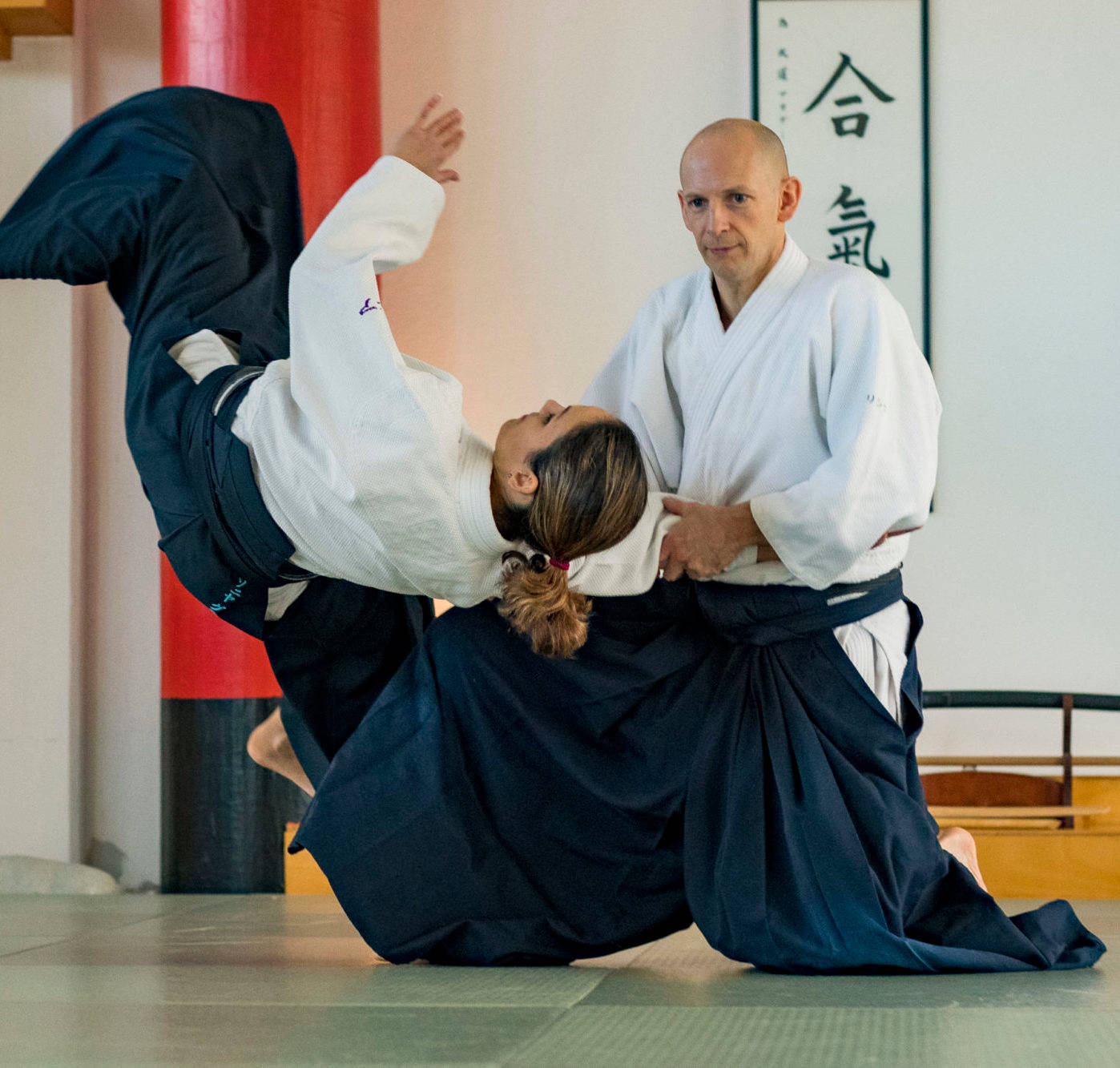
Aikido relies on blending with an attacker's momentum rather than meeting force with force. Practitioners use wrist locks, elbow locks, and projection techniques to neutralize strikes or grabs. Training usually involves pre-arranged attacks where uke (the person receiving the technique) feeds a predictable wrist grab or overhead strike, and tori (the person executing the technique) applies the joint lock.
What Reddit Really Thinks About Judo
Ask r/judo about the effectiveness of their art, and you'll get a mix of brutal honesty and intense pride. Redditors on combat sports boards universally praise judo for its intense physical conditioning and high-pressure sparring.
You'll see frequent threads discussing the reality of randori. Reddit users emphasize that you can't fake judo. If your technique is sloppy, you won't throw a resisting partner. If your cardio is poor, you'll gas out in two minutes.
Common themes in Reddit discussions about judo include:
- Brutal breakfalls (ukemi) that teach you how to survive hard falls on concrete or mats.
- Massive grip strength development that carries over to rock climbing and powerlifting.
- High injury rates, particularly to shoulders, knees, and fingers.
- A steep learning curve that discourages casual hobbyists who want immediate results.
One recurring sentiment across grappling subreddits is that judo provides an exceptional stand-up foundation for mixed martial arts. Even if elite MMA fighters prefer wrestling for wall-walking and cage control, judo throws remain devastating when executed cleanly. To explore the governing body behind the sport, you can check the International Judo Federation.
What Reddit Really Thinks About Aikido
If you mention aikido on r/martialarts, prepare for a wave of harsh criticism. The consensus among experienced martial artists on Reddit is that traditional aikido fails miserably against resisting opponents because it lacks live sparring and pressure testing.
Redditors often point out the compliant nature of aikido training partners. In a typical aikido class, the attacker throws a punch and leaves their arm extended, waiting for the defender to apply a wrist lock. Real attackers pull their hands back, duck, or throw hooks. Without resisting opponents, practitioners build a false sense of security regarding their self-defense capabilities.
However, balanced threads on Reddit do acknowledge a few redeeming qualities for aikido:
- Exceptional wrist and joint flexibility from years of rolling and stretching.
- Valuable principles of balance, posture, and spatial awareness.
- A peaceful community focus that appeals to older practitioners or those seeking low-impact movement.
Critics on Reddit frequently contrast aikido with Brazilian jiu-jitsu or wrestling. A popular thread might feature a video of an aikido demonstration against a mixed martial arts striker, highlighting the stark gap in practical application. For historical context on Japanese budo, the Nippon Budokan offers resources on traditional martial paths.
Sparring and Pressure Testing: The Ultimate Divider
The single biggest argument on Reddit regarding aikido vs judo comes down to sparring. Combat sports enthusiasts on Reddit argue that a martial art is only as good as its training methods.
Judo uses full-resistance sparring. You step onto the mat, grab your partner, and try to slam them to the canvas while they try to do the same to you. This pressure testing forces techniques to evolve. If a throw doesn't work under pressure, judoka discard it or fix the mechanics.
Aikido generally relies on kata, or formal routines. While some modern independent dojos incorporate randori or cross-train with other grappling arts, mainstream aikido avoids full-contact sparring to prevent injuries from joint locks applied at full speed. Reddit users consistently point out that you cannot learn to swim without getting in the water, meaning you cannot learn self-defense without dealing with someone who genuinely wants to resist your efforts.
Which Art Wins for Self-Defense?
If your primary goal is learning how to defend yourself on the street, Reddit offers a unanimous verdict. Judo wins by a landslide.
Judo teaches you how to deal with adrenaline, body weight, and chaos. When an attacker grabs you, a judoka knows how to break grips, establish posture, and launch the attacker through the air. The physical toughness built by years of randori prepares your body and mind for impact.
Aikido self-defense applications rarely hold up outside the dojo. Wrist locks require precise positioning that becomes nearly impossible against a fast, erratic, or sweaty attacker. Furthermore, striking defense in aikido is notoriously weak compared to boxing, Muay Thai, or kickboxing.
Frequently Asked Questions
Is aikido completely useless for self-defense?
Most Reddit users argue that while aikido has interesting biomechanical concepts, it lacks the necessary pressure testing to be reliable in a real fight. A few specific techniques might work against a sloppy grab, but you're better off learning judo, wrestling, or boxing.
Can aikido and judo be trained together?
Yes. Some cross-trainers take aikido for joint flexibility and wrist mobility while relying on judo for throws and ground control. However, you'll need to adapt your mindset when switching between compliant kata and live resistance.
Which art is harder on your body?
Both arts are demanding, but they punish different areas. Judo destroys your fingers, shoulders, and knees through high-impact throws and heavy grip fighting. Aikido can be gentler on the joints if practiced with cooperative partners, but bad wrist locks can still cause chronic tendonitis.
Why do people still practice aikido if Reddit dislikes it?
Many people practice aikido for reasons other than combat efficiency. They enjoy the meditative aspects, the cultural history, the graceful movements, and the community environment without any desire to fight in a cage or on the street.



