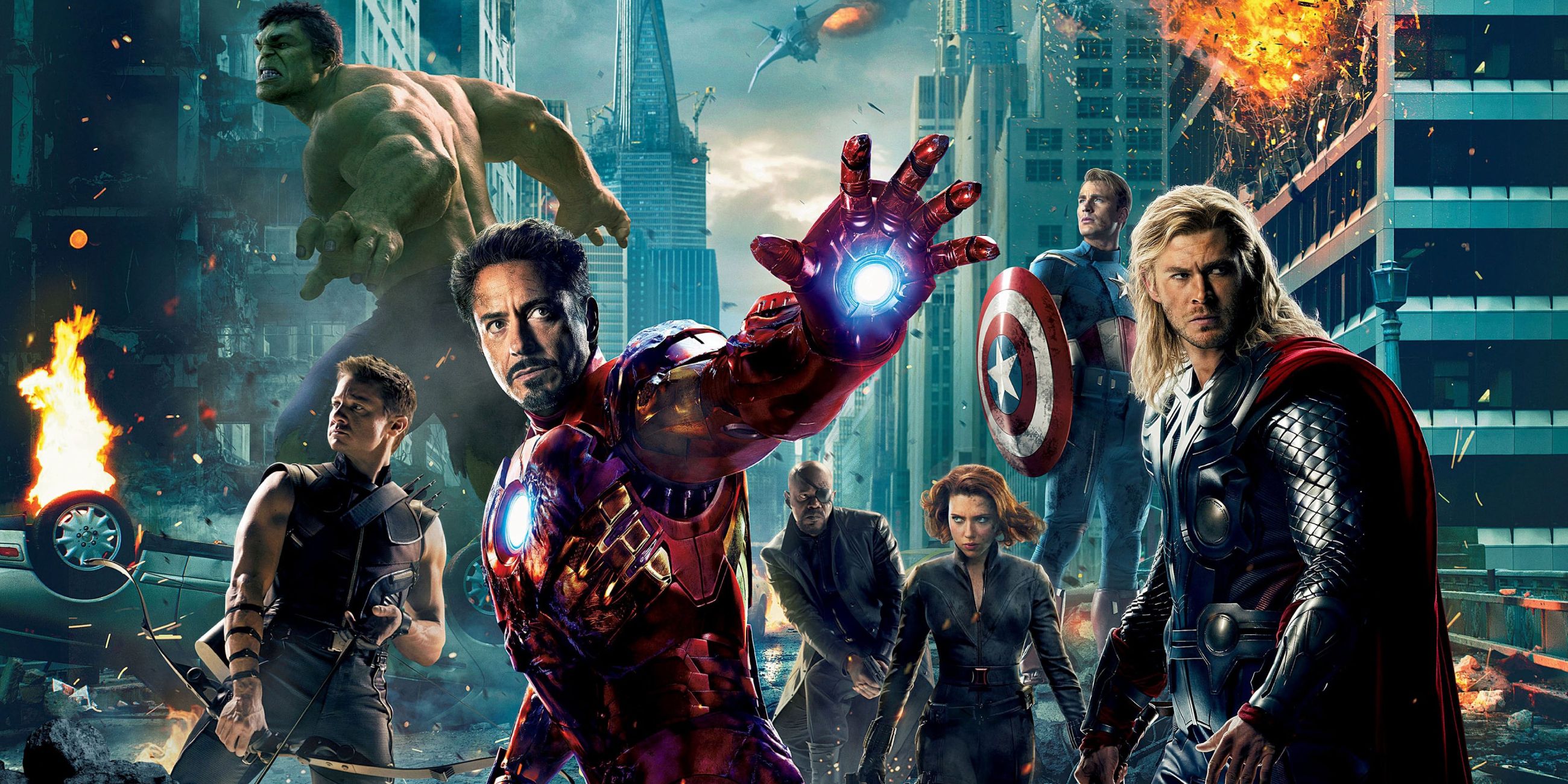
When Marvel Studios released Avengers: Age of Ultron, the film introduced a massive roster expansion that permanently shifted the power dynamics of the cinematic universe. Adding characters like Wanda Maximoff, Pietro Maximoff, and Vision didn't just alter team dynamics on screen; it fundamentally complicated the cosmic and terrestrial balance of power that the studio had spent years building. The casting choices and narrative positioning of these new heroes forced a rapid re-evaluation of how magical, technological, and cosmic threats would be handled going forward.
Understanding this shift requires looking past standard box office metrics and examining how the character roster disrupted established hierarchies. Let's break down how these specific cast additions reshaped the internal mechanics of the franchise, why the power scaling became a logistical challenge for writers, and what lessons emerge from how Marvel managed this narrative inflection point.
The Power Scaling Dilemma
Before the 2015 ensemble sequel, the original six Avengers possessed relatively grounded, distinct skill sets. You had high-tech armor, super soldier serum, master espionage training, rage-induced brute strength, and godly thunder. While Thor brought a cosmic element, the team functioned primarily as an elite tactical strike force dealing with terrestrial and localized alien invasions.
The introduction of Elizabeth Olsen as Wanda Maximoff and Paul Bettany transitioning from the voice of J.A.R.V.I.S. to the physical embodiment of Vision blew those boundaries wide open. Wanda introduced reality-bending mental manipulation and chaos magic potential, while Vision wielded an Infinity Stone directly embedded in his forehead.
- The Escalation Problem: Writers suddenly had to invent threats capable of challenging entities who could phase through solid matter, lift mystical hammers, and manipulate probability fields.
- The Team Utility Gap: Characters dependent purely on physical combat or standard firearms risked becoming narratively obsolete when facing reality-altering magic users.
- The Narrative Focus: Balancing screen time for returning heavyweights like Robert Downey Jr.'s Tony Stark and Chris Hemsworth's Thor meant newer powerful additions risked stealing emotional arcs unless carefully paced.
Shifting From Street-Level Stakes to Cosmic Scale
The expansion of the cast acted as a bridge toward the cosmic infinity stone arcs that dominated Phase Three. By bringing in actors who interacted directly with cosmic artifacts like the Mind Stone, the narrative gravity of the franchise shifted away from localized defense toward universal survival.
This pivot created a structural tension. Fans loved the grounded team banter in Avengers Tower, but the inclusion of actors portraying god-like or trans-human entities meant future conflicts couldn't simply involve rogue nations or standard criminal syndicates. The casting announcements served as an early warning flare to the audience: the sandbox was getting infinitely larger, and the rules governing life and death in the franchise were changing permanently.
Practical Challenges of Ensemble Cast Management
Managing a bloated roster of principal actors created massive logistical and storytelling hurdles behind the scenes. Joss Whedon faced the daunting task of giving a dozen primary characters meaningful arcs within a standard two-hour runtime without turning the film into a glorified trailer reel.
When studios commit to massive ensemble reveals, several predictable friction points emerge during production:
- Screen Time Rationing: Important characters often get reduced to reactive set-piece participants rather than active drivers of the plot.
- Budgetary and Scheduling Constraints: Coordinating the availability of high-profile actors leads to compromised shooting schedules and heavily partitioned scene blocking.
- Continuity Strain: Explaining why certain powerful characters aren't solving every minor crisis elsewhere in the universe requires constant narrative justification.
For a deeper look into how studio infrastructure supports these massive productions, you can explore resources provided by Marvel Studios. Additional historical context on box office tracking and industry impact is detailed by Box Office Mojo.
Common Missteps in Scaling Cinematic Universes
When film franchises attempt to expand their casts rapidly to introduce cosmic elements, they often fall into classic traps that alienate audiences. Recognizing these pitfalls helps explain why Age of Ultron faced polarizing initial reviews despite its massive financial success.
- Neglecting Human Vulnerability: When too many characters possess god-like or invulnerable traits, audiences lose a sense of physical stakes. If every hero can survive an explosion through magic or density manipulation, action sequences lose their visceral tension.
- Overloading Exposition: Studios frequently rely on rushed dialogue dumps to explain the origins of new super-powered beings, sacrificing emotional resonance for lore-building.
- Sidelining Legacy Characters: Pushing original fan-favorite actors into the background to make room for expensive new talent often creates friction within established fan communities.
Frequently Asked Questions
Why did the addition of Vision and Scarlet Witch complicate the MCU power balance?
They introduced abilities rooted in Infinity Stone physics and reality manipulation. This raised the ceiling for what heroes could achieve, making standard physical threats less convincing as primary obstacles.
How did the cast additions affect the original Avengers lineup?
The original team split up or evolved significantly by the end of the film. Characters like Iron Man and Captain America had to confront their own limitations, leading directly to ideological fractures explored in subsequent films.
Did the production face issues keeping the expanded cast details secret?
Yes. Security on set was notoriously strict, with daily script pages often shredded or burned to prevent plot leaks during production.
Why are ensemble cast expansions risky for long-term franchises?
They inflate production budgets, complicate scheduling, and risk diluting character development if writers cannot distribute screen time effectively among dozens of primary actors.


