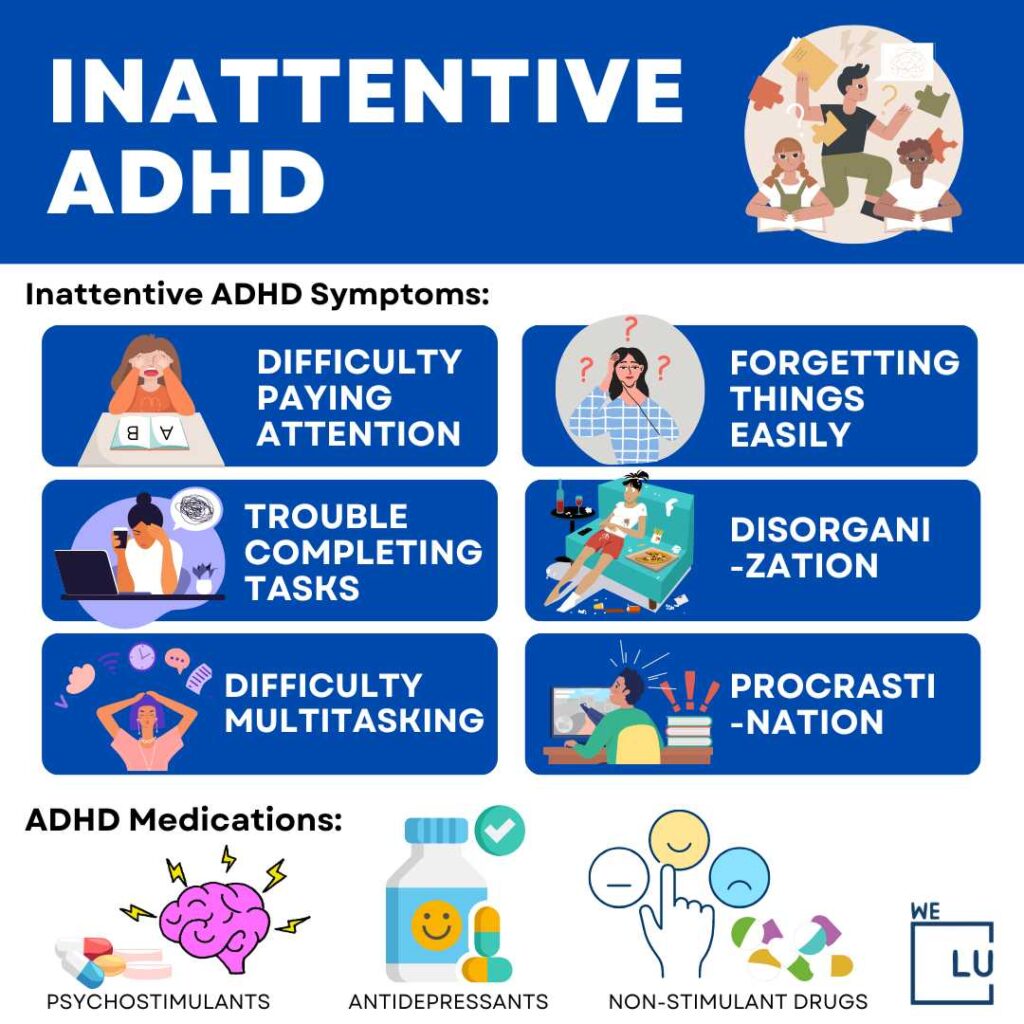
Getting an attention-deficit hyperactivity disorder assessment in Australia is changing rapidly. For years, adults and parents faced multi-year waitlists and thousands of dollars in private psychiatrist fees just to get a formal evaluation. Landmark state-based training reforms now allow specially trained general practitioners to diagnose the condition and prescribe treatment directly.
If you've spent months wondering whether your chronic disorganization, executive dysfunction, or focus struggles point toward neurodivergence, navigating the current rules requires a clear map. State guidelines vary, Medicare item structures shift, and finding a qualified local doctor takes targeted effort.
What is Changing in Australian ADHD Diagnosis?
Historically, only psychiatrists and paediatricians held the legal authority to provide a primary diagnosis and initiate restricted stimulant medications. Because specialist waitlists routinely stretch past twelve months, states have rolled out specialized training programs through the Royal Australian College of General Practitioners (RACGP).
Trained GPs in states like Queensland, New South Wales, South Australia, Victoria, Western Australia, and Tasmania can now assess, diagnose, and manage ADHD for eligible patients. However, these reforms are voluntary for clinics. Your local family doctor cannot automatically offer ADHD assessments unless they have completed the specific state-accredited training pathway.
State-by-State Rules at a Glance
Rules depend entirely on your home state or territory, because medical boards and poisons permits operate under state legislation:
- New South Wales: Hundreds of GPs have completed RACGP-approved training to diagnose and manage ADHD, with the state government funding thousands of free assessments at select clinics.
- Queensland: Pioneered early GP prescribing and diagnostic frameworks, allowing qualified community practitioners to streamline patient pathways.
- Victoria: Designated GPs meeting specific training criteria can diagnose and initiate treatment for adults and children aged six and over.
- South Australia & Western Australia: Trained primary care physicians handle non-complex adult and youth assessments, cutting specialist bottlenecks.
- Tasmania & ACT: Tasmanian trained GPs actively assess patients over six, while the ACT allows authorized practitioners to manage or initiate medications under specific supervision frameworks.
- Northern Territory: No broad primary care reform pathways have launched yet, leaving patients reliant on traditional specialist referrals.
The Assessment Process: What to Expect
A proper clinical evaluation for neurodivergence isn't a five-minute questionnaire. Whether you see a private psychiatrist or an accredited GP, expect a rigorous diagnostic framework based on clinical interviews and developmental history.
- Initial Screening and History: Your doctor will explore your current symptoms, childhood patterns, academic history, and workplace challenges. ADHD is a lifelong neurodevelopmental condition; symptoms must have been present in some form during childhood, even if they went unnoticed.
- Standardised Rating Scales: Expect to complete validated evaluation tools, such as the Conners' Adult ADHD Rating Scales or DIVA-5 (Diagnostic Interview for ADHD in Adults).
- Collateral Information: Doctors frequently ask for school reports, past psychological evaluations, or input from a partner, parent, or close friend who knows your daily habits well.
- Ruling Out Differential Diagnoses: Anxiety, depression, sleep disorders, thyroid issues, and trauma can mimic executive dysfunction. A thorough assessment isolates whether ADHD is the primary driver or if co-occurring conditions need separate treatment.
Understanding the Costs and Medicare Realities
One of the most persistent misconceptions is that Medicare covers the entire cost of an assessment. Currently, there is no dedicated Medicare item number specifically designated for a comprehensive ADHD assessment.
Standard GP consultation item numbers apply, meaning you will likely face private gap fees unless your clinic bulk-bills. If you choose the traditional route of getting a GP referral to a private psychiatrist, rebates apply through items like 291 or subsequent review codes, but out-of-pocket costs often range from several hundred to over a thousand dollars.
Always call ahead and ask front-desk staff explicitly: "What is the total out-of-pocket cost for a complete ADHD evaluation, including follow-up script appointments?" Checking your [Services Australia Medicare Safety Net](https://www.services australia.gov.au/medicare-safety-nets) threshold via myGov before booking major appointments can also help you calculate whether you'll hit a threshold that reduces subsequent gap fees.
Common Mistakes to Avoid
Navigating the healthcare system while managing executive dysfunction can feel overwhelming. Avoid these common pitfalls:
- Assuming any GP can help: Don't book blindly. Call your clinic and ask if they have a practitioner specifically certified under the recent RACGP-aligned state training initiatives.
- Overlooking telehealth restrictions: Medicare rebates for long telehealth appointments generally require an existing face-to-face relationship with that specific clinic within the past 12 months.
- Ignoring Pharmaceutical Benefits Scheme (PBS) rules: Getting a diagnosis is only step one. Accessing subsidized stimulant medication requires meeting specific PBS criteria, and script renewals require strict adherence to state prescribing regulations.
- Skipping childhood evidence: Many adults fail to gather old report cards or notes. Because diagnostic criteria require proof of childhood onset, hunting down old records speeds up your appointment.
Frequently Asked Questions
Can my regular GP diagnose my ADHD today?
Only if your GP has completed the specific post-graduate training required by your state or territory. Many general practitioners still refer patients out to psychiatrists because they have not undertaken this specific accreditation.
How long do I have to wait for an assessment?
Private psychiatrists often have waitlists ranging from three to twelve months. Accredited GPs usually offer much shorter wait times, though availability depends heavily on your local clinic's capacity.
Are adult ADHD diagnoses treated differently than children's?
The core diagnostic criteria remain consistent, but the evaluation focuses heavily on adult functional impacts, such as job performance, relationship management, and household organization, rather than classroom behavior.
Does Medicare cover ADHD medication?
Medication costs for stimulants and non-stimulants are subsidized under the PBS if you meet clinical eligibility guidelines, keeping monthly script costs manageable once your treatment plan is established.



